What To Feed Cat With Upset Stomach Vomiting

Caring for a cat with an upset stomach can be both concerning and rewarding. Cat owners deeply value the bond they share with their feline companions, and noticing a sensitive...

Caring for a cat with an upset stomach can be both concerning and rewarding. Cat owners deeply value the bond they share with their feline companions, and noticing a sensitive stomach or an episode of vomiting naturally raises questions about what to do next. Understanding what to feed a cat experiencing digestive discomfort is essential for keeping your pet comfortable, healthy, and happy. The key purpose of this guidance is to help you make informed choices about temporary dietary adjustments that ease your cat's symptoms while supporting a return to normal eating habits over time.
The first step when your cat begins vomiting is to consider offering a bland diet. Plain boiled chicken breast without skin, bones, or seasoning makes an excellent starting point. Many veterinarians recommend this because it is highly digestible, low in fat, and free from additives that could further irritate your cat's stomach. Shred the chicken into small, manageable pieces, as cats tend to eat more comfortably when food is easy to chew and swallow. This simple meal allows the digestive system to rest and recover without the burden of processing rich or complex ingredients.
Another widely recommended option is boiled white rice paired with the lean chicken. The rice acts as a gentle binding agent that can help firm up loose stools and absorb excess stomach acidity. Mix a small portion of rice with the shredded chicken to create a soft, soothing meal. However, this combination should only be offered for a short period — typically 24 to 48 hours — before gradually reintroducing your cat's regular food. The goal is not to replace the normal diet but to provide a temporary bridge that allows the stomach to settle.
Must Read
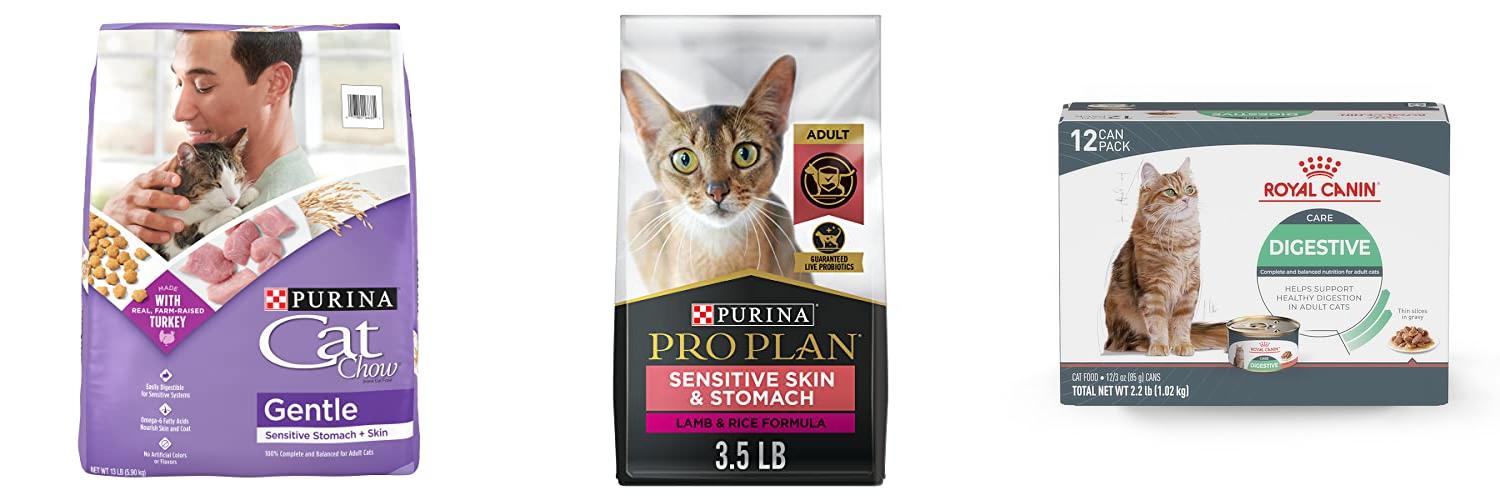
Many pet owners find that a commercial gastrointestinal diet recommended by a veterinarian is another effective approach. These specially formulated meals contain balanced nutrients, easy-to-digest proteins, and added vitamins that support recovery. For example, if your cat shows signs of mild nausea after eating rich cat food, switching briefly to a veterinary-approved gastrointestinal wet food can reduce irritation significantly. Wet food is often gentler than dry kibble because it contains more moisture, which helps keep your cat hydrated — a critical factor whenever vomiting occurs.
When feeding a cat with an upset stomach, portions certainly matter. Offer small, frequent meals instead of one large serving at once. Dividing the food into four to five tiny portions spread throughout the day prevents the stomach from being overwhelmed. A practical scenario might look like this: if your cat normally eats twice a day, try offering one tablespoon of bland food every few hours while monitoring her reaction. If the vomiting stops and she begins eating more eagerly, this is a positive sign that her digestive tract is responding well to the gentle approach.
 Top 5 Foods For Cats With Upset Stomachs: A Vet-Approved Guide
Equally important as what you feed is what you avoid. Steer clear of dairy products, fatty foods, table scraps, and treats during this period. Cats are often lactose intolerant, and feeding milk or cheese can intensify nausea. Additionally, never give your cat human medications or home remedies without veterinary approval, as certain substances can be toxic to felines. Stick to water as the primary drink, offering fresh refills throughout the day because hydration plays a vital role in recovery.
To summarize, managing a cat's upset stomach involves offering bland, easily digestible foods like boiled chicken and rice, considering veterinary-approved gastrointestinal diets, serving small and frequent portions, and strictly avoiding harmful foods. Keep a close observation on your cat's behavior — if vomiting persists beyond 24 hours or shows signs of blood, lethargy, or dehydration, seek professional veterinary care immediately. With patience, gentle nourishment, and attentive care, most cats bounce back quickly, reminding us why the love and effort we invest in these remarkable animals is always worth it.