What To Do With An Abundance Of Peppers

There’s something satisfying about walking into a kitchen and finding a basket of peppers waiting to be turned into a culinary adventure. Whether you’ve just harvested a garde...
There’s something satisfying about walking into a kitchen and finding a basket of peppers waiting to be turned into a culinary adventure. Whether you’ve just harvested a garden’s worth or inherited a market‑bought haul, the sheer abundance of peppers opens up a world of flavor, health perks, and fun. This article celebrates the practical joy of having more peppers than you know what to do with, showing how even a pile of chilies, bell peppers, and poblanos can become a source of creativity for home cooks, families, and anyone who loves a dash of spice.
The main purpose of embracing a pepper surplus is to reduce waste while maximizing both taste and nutrition. Peppers are packed with vitamin C, antioxidants, and a natural kick that can turn simple meals into memorable experiences. By turning excess peppers into sauces, pickles, or snacks, you not only stretch your grocery budget but also give your palate a boost of variety. This approach benefits a wide range of people: busy professionals can portion out ready‑to‑use freezes, home gardeners can celebrate their harvest, and health‑conscious eaters can enjoy a flavorful punch without extra calories.
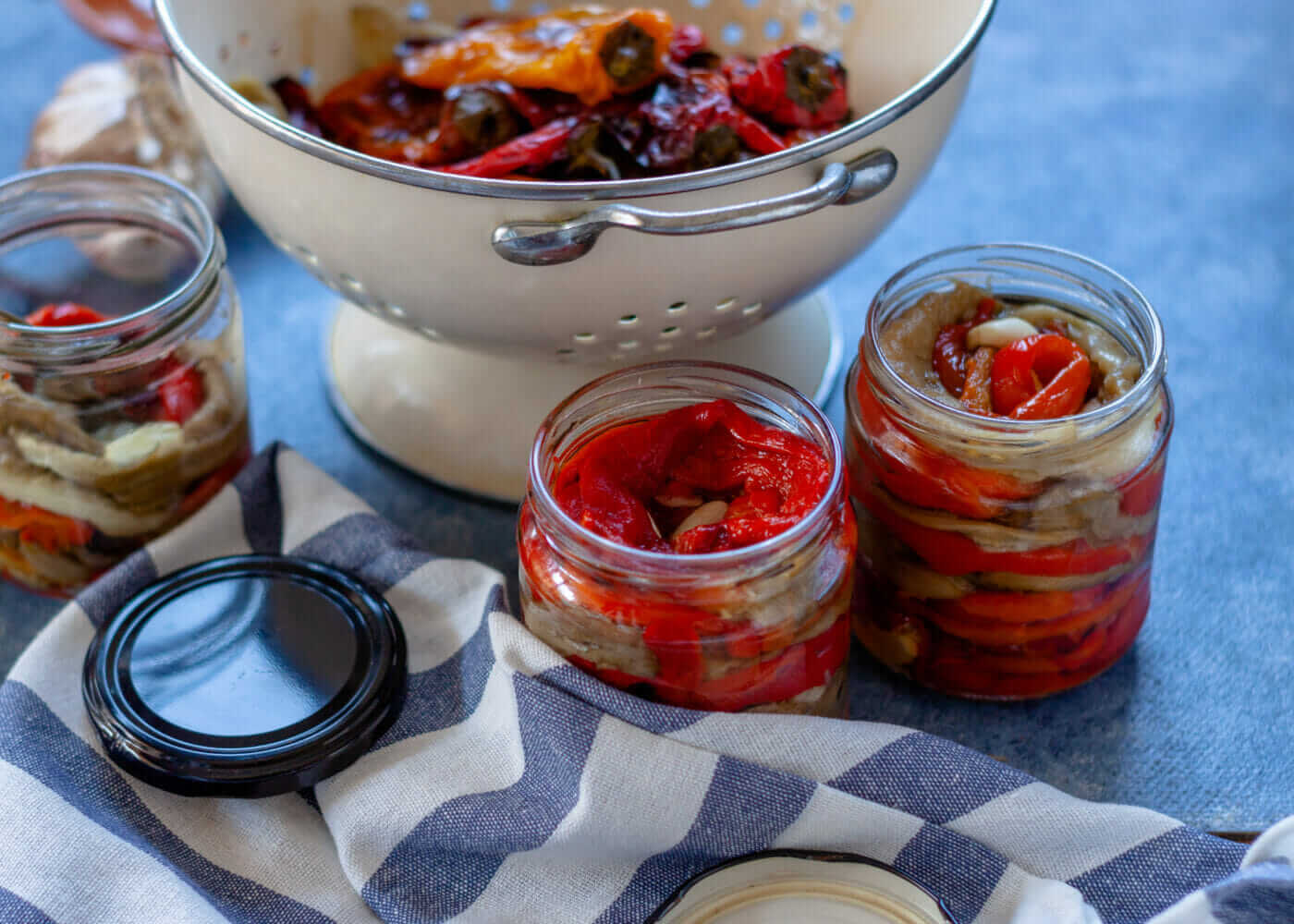
There are countless classic variations that most readers will recognize, offering a way to channel pepper abundance. Roasting a batch of bell peppers and pureeing them into a silky red pepper jam is a favorite, perfect on toast or paired with cheese. For a vegan twist, stuffed peppers filled with couscous, beans, and spices turn each fruit into a hearty main dish. Those who love heat can make a quick salsa fresca with jalapeños, tomatoes, and lime, while a chili sauce can become a reusable condiment for weeknight tacos. Even the seeds can be toasted and sprinkled over salads for a nutty crunch.
Must Read
Getting started with a pepper bounty doesn’t require fancy equipment or a culinary degree. First, wash and sort the peppers by type and ripeness; this helps you decide which ones are best for quick salads versus long‑cooked sauces. Next, preserve the surplus by choosing a method that fits your schedule: freeze whole peppers for later stir‑fries, make a batch of vinaigrette, or can a jar of salsa using a simple water‑bath. Finally, label containers with the date and pepper variety so you can grab the right flavor months down the line with ease.
 SO MANY PEPPERS! What Can I Do With the Abundance? Simple Living Garden
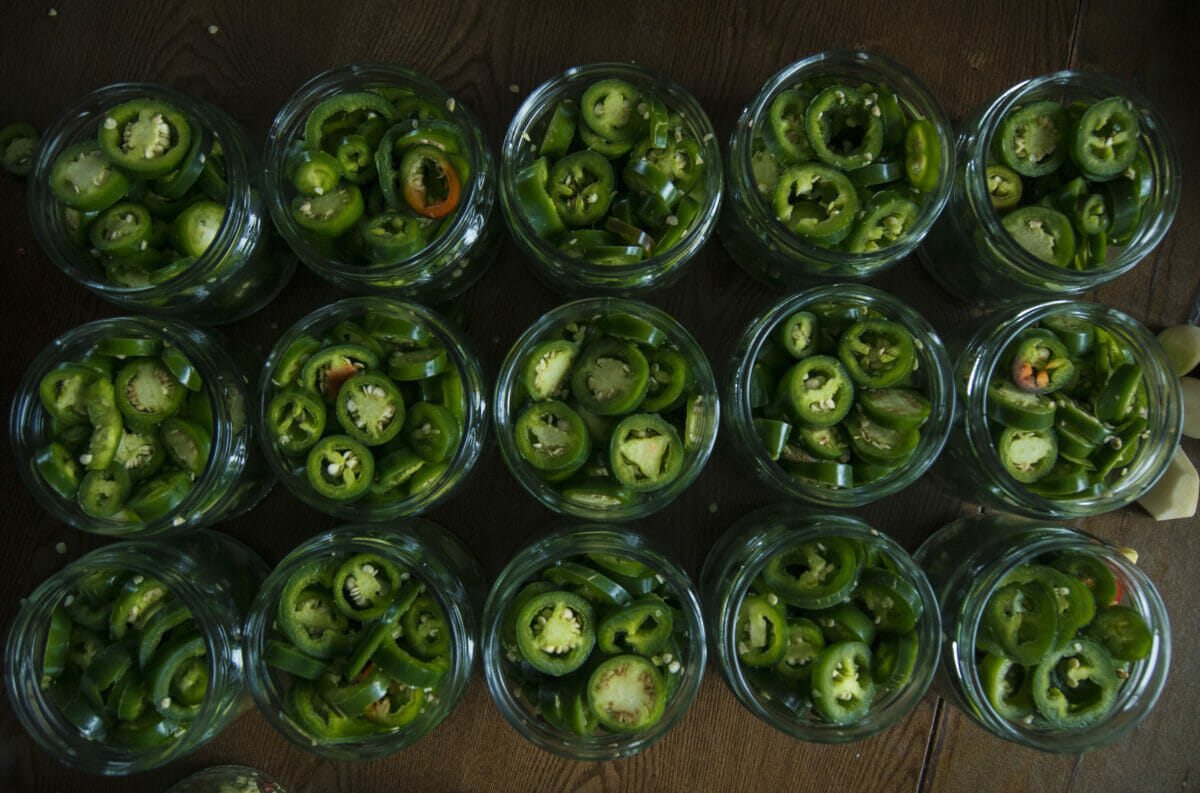
Keeping peppers fresh at their peak is all about timing and the environment. Store unwashed peppers in a dry, breathable bag in the refrigerator’s crisper drawer; they’ll stay crisp for up to a week. If you notice any start to soften, turn them into a quick roasted pepper spread that can be spooned onto wraps or swirl into pasta sauce. For longer‑term storage, pickle thin slices in a vinegary brine, creating a tangy snack that lasts for months and adds brightness to sandwiches and grain bowls.
In the end, an overabundance of peppers is less a problem and more an invitation to experiment, share, and savor the flavors of the season. By turning surplus into sauces, salads, and savory treats, you reduce waste, boost nutrition, and discover new favorite recipes along the way. So the next time your kitchen glows with a rainbow of peppers, just smile, plan a few simple steps, and let the heat of creativity guide you toward a richer, tastier table.