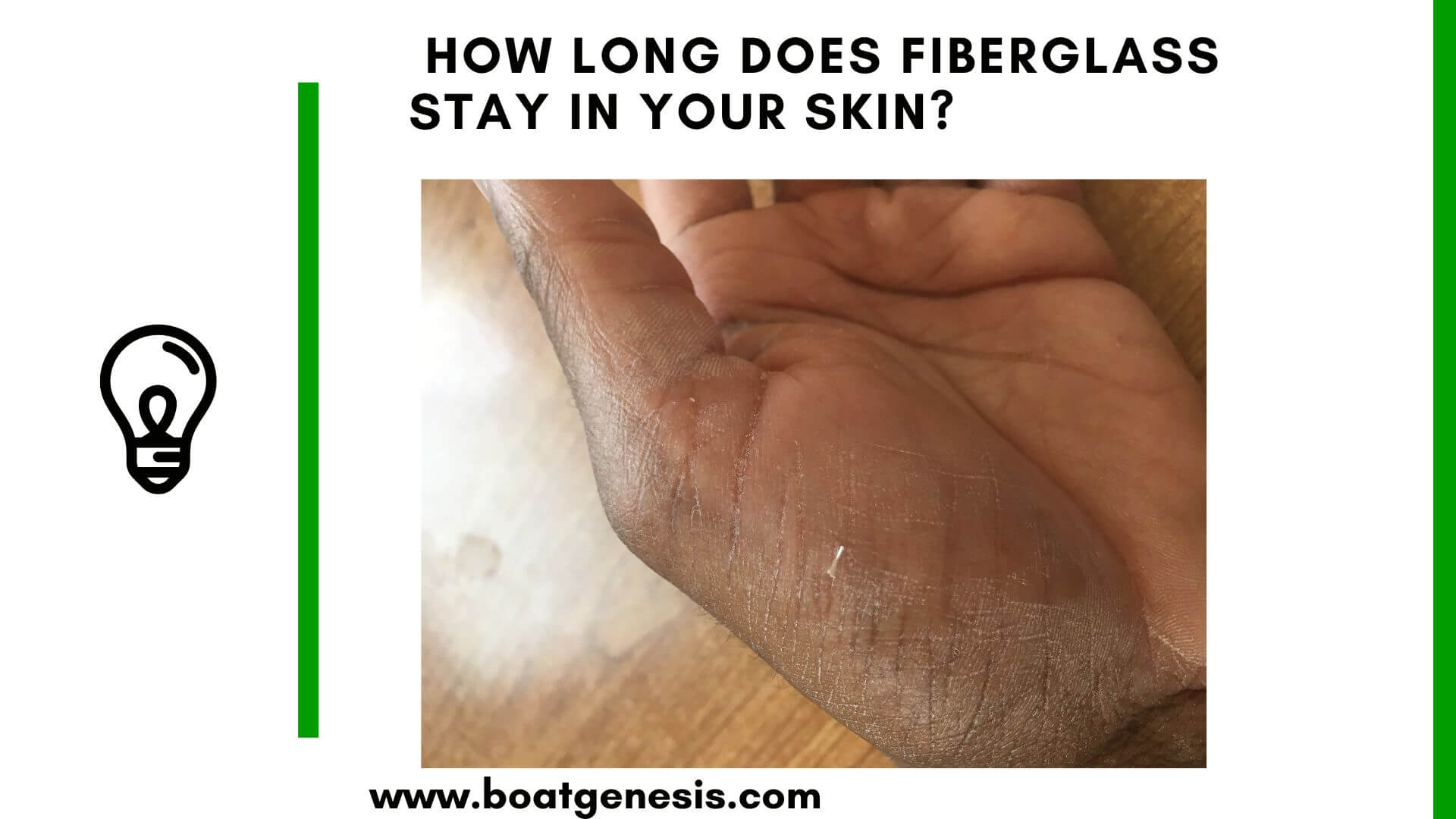
What To Do If You Get Fiberglass On Your Skin

Fiberglass is one of those incredibly useful materials that shows up in almost every aspect of our daily lives, which is exactly why so many people end up with it on their ski...
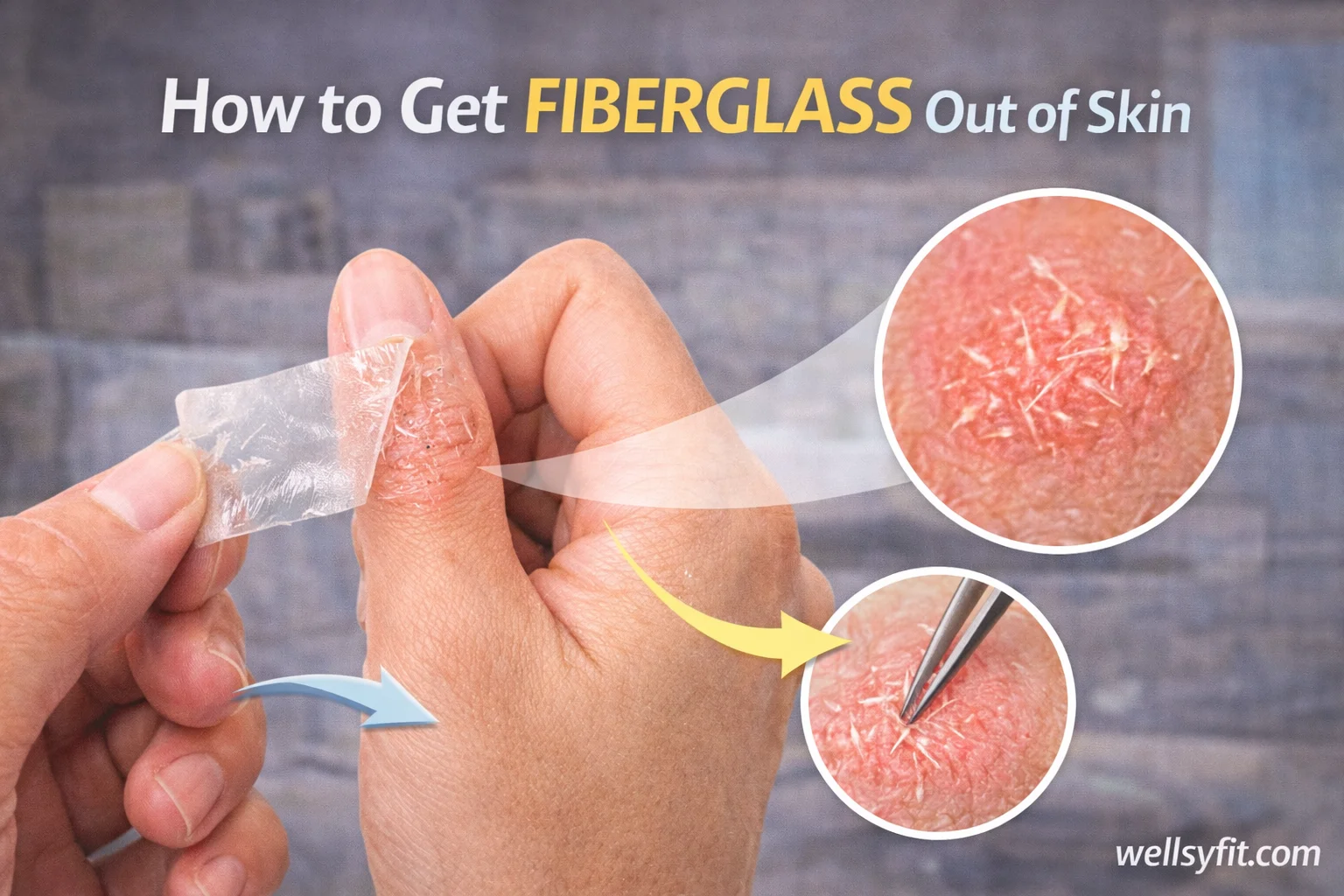
Fiberglass is one of those incredibly useful materials that shows up in almost every aspect of our daily lives, which is exactly why so many people end up with it on their skin at some point. From the insulation behind the walls of your home to the recovery bays at your local auto shop, fiberglass is everywhere. It is lightweight, durable, affordable, and surprisingly effective. But here is the catch — those tiny glass shards that make the material so strong can also make your life pretty miserable if they end up stuck to your skin. Knowing how to react quickly and effectively is something every homeowner, hobbyist, and homeowner should understand, because the good news is that removing fiberglass from your skin is not as scary as it might seem once you know the right steps.
First things first — do not scratch it. When fiberglass gets on your skin, your body naturally reacts with an intense, almost uncontrollable itch. It feels like thousands of microscopic needles poking you all at once. Your instinct will be to claw at the area, but resist that urge. Scratching will only push the tiny glass fibers deeper into your skin, cause more irritation, and potentially lead to a rash or even a skin infection. Instead, take a deep breath, move away from the source of the fiberglass, and prepare yourself for a calm, methodical cleanup. The panic reaction is natural, but staying composed will save you a lot of unnecessary suffering down the line.
The immediate next step is to rinse the affected area thoroughly with cool running water. Water alone will not penetrate deeply enough to remove the embedded fibers, but it helps flush away loose fragments still sitting on the surface of your skin. Gently pat — do not rub — the area with a soft cloth while the water runs. After rinsing, apply some duct tape or strips of clear packing tape over the itchy area. Press the tape down firmly, then pull it off quickly. The adhesive on the tape has a remarkable ability to grab onto those stubborn tiny shards that water might not completely dislodge. Repeat this taping process a few times until the itching begins to fade. It sounds old-fashioned, but trust me — it works wonders.
Must Read
Once you have removed as many fibers as possible with tape, the next line of defense is a soothing solution of white vinegar diluted with equal parts water. Gently dab this mixture onto the irritated skin using a clean washcloth. The acidity in the vinegar helps calm the chemical reaction between your skin and the fiberglass, reducing redness and inflammation almost immediately. Follow that up with a generous application of a thick hand lotion or petroleum jelly. These create a barrier on your skin that makes any remaining shards slide out more easily over time. A warm (not hot) bath with a cup of oatmeal or Epsom salt can also provide tremendous relief if the irritation covers a larger area of your body.
Now, if you have been in a situation where the exposure is significant — like working on a large insulation project or spending a full afternoon remodeling — you are probably covered head to toe in fiberglass fragments. In that case, hop directly into the shower and use a generous amount of mild, unscented body wash. While the soap is on your skin, take a clean loofah or soft washcloth and very gently work in small circular motions across the entire affected area. This assists in dislodging fibers lodged in your pores without aggravating the skin. After showering, change into freshly laundered clothes — and make sure they have not been contaminated during your project. Toss the clothes you wore directly into the wash, and do not forget about shoes and hats.
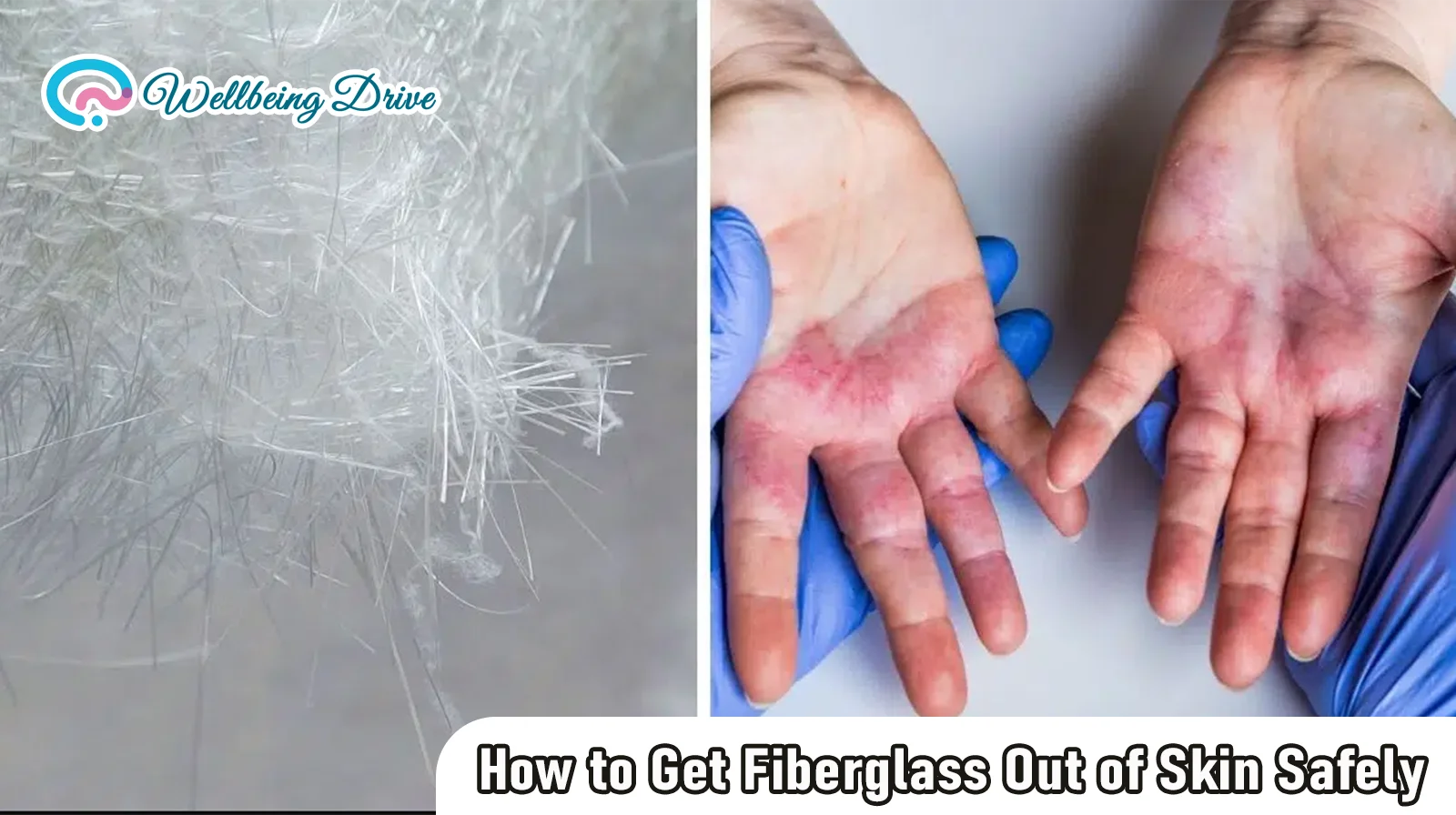 How to Get Fiberglass Out of Skin Safely - Wellbeing Drive
For most people, following these simple steps clears the problem within a few hours to a day. However, if the irritation persists for more than 24 hours, worsens significantly, or shows signs of infection such as increasing redness, swelling, warmth, pus, or fever, it is time to visit a doctor or urgent care clinic. Severe fiberglass exposure can occasionally cause more than just surface-level discomfort, and some people have more sensitive skin reactions than others. In rare but serious cases, doctors may prescribe a medicated cream to control the allergic response or inflammation. Being willing to seek professional help when things are not improving is an important part of responsible self-care, and there is absolutely nothing to feel embarrassed about.
The bottom line is that fiberglass exposure does not have to ruin your day. With a little preparation and a series of straightforward actions — rinsing, taping, soothing, and washing — you can comfortably manage the discomfort and get back to whatever you were doing. Whether you are insulating your attic, working on a fiberglass boat, or just accidentally brushing against a piece of fiberglass at a construction site, you now have a reliable game plan. Stay calm, act fast, and remember that millions of people navigate this minor hazard every year without lasting issues. Fiberglass is genuinely a fantastic material that powers countless improvements in our homes, cars, and industries, so by learning to handle these small incidents wisely, you keep yourself open to benefiting from everything it has to offer.