What The Future Has In Store

Glimpsing Tomorrow: A Stroll Through the Future Ever wondered what life will be like in, say, 2050? Picture this: you wake up to your AI assistant, Alexa's great-granddaughte...

Glimpsing Tomorrow: A Stroll Through the Future
Ever wondered what life will be like in, say, 2050? Picture this: you wake up to your AI assistant, Alexa's great-granddaughter, who's already brewed your coffee and briefed you on the day's news. Your smart window has adjusted its tint to filter out the city's smog, and your self-driving car is waiting downstairs, ready to whisk you to work.
Smart Cities: Urban Living Reimagined
Welcome to the age of smart cities, where every streetlight, traffic signal, and waste bin is connected to the internet. In Barcelona, they're already using sensors to optimize waste collection, saving time and resources. Imagine applying that to every aspect of city life - from real-time traffic management to predictive maintenance of public infrastructure.
But it's not just about efficiency. Future cities will be greener too. Vertical gardens and green roofs will be the norm, not the exception. And with advancements in renewable energy, cities will be powered by clean, sustainable sources. Think solar roads, wind turbines integrated into architecture, and even buildings that generate their own electricity.
Must Read
Teleportation: Not Just for Sci-Fi Anymore
Remember the teleportation pods in Star Trek? They're not as far off as you might think. Scientists have already successfully teleported atoms and even photons. The challenge now is to scale up and, well, teleport something larger. Who knows, maybe one day we'll be able to beam ourselves to work instead of driving or flying.
Until then, we'll have to make do with hyperloop systems, like the one being developed by Virgin Hyperloop One. Imagine traveling from Los Angeles to San Francisco in just 30 minutes. That's faster than a plane and more comfortable than a train. It's like traveling in a tube of air, at near-supersonic speeds.
Food: Growing Up, Not Out
The future of food is vertical. With the global population expected to reach 9.7 billion by 2050, we'll need to produce more food than ever before. That's where vertical farming comes in. These indoor, climate-controlled farms use less water and land, and can produce crops up to 30 times faster than traditional farming.
And it's not just about quantity. Quality matters too. Lab-grown meat is set to revolutionize the food industry. It's more sustainable, healthier, and tastes just like the real thing. In fact, it is the real thing - just grown in a lab instead of on a farm.
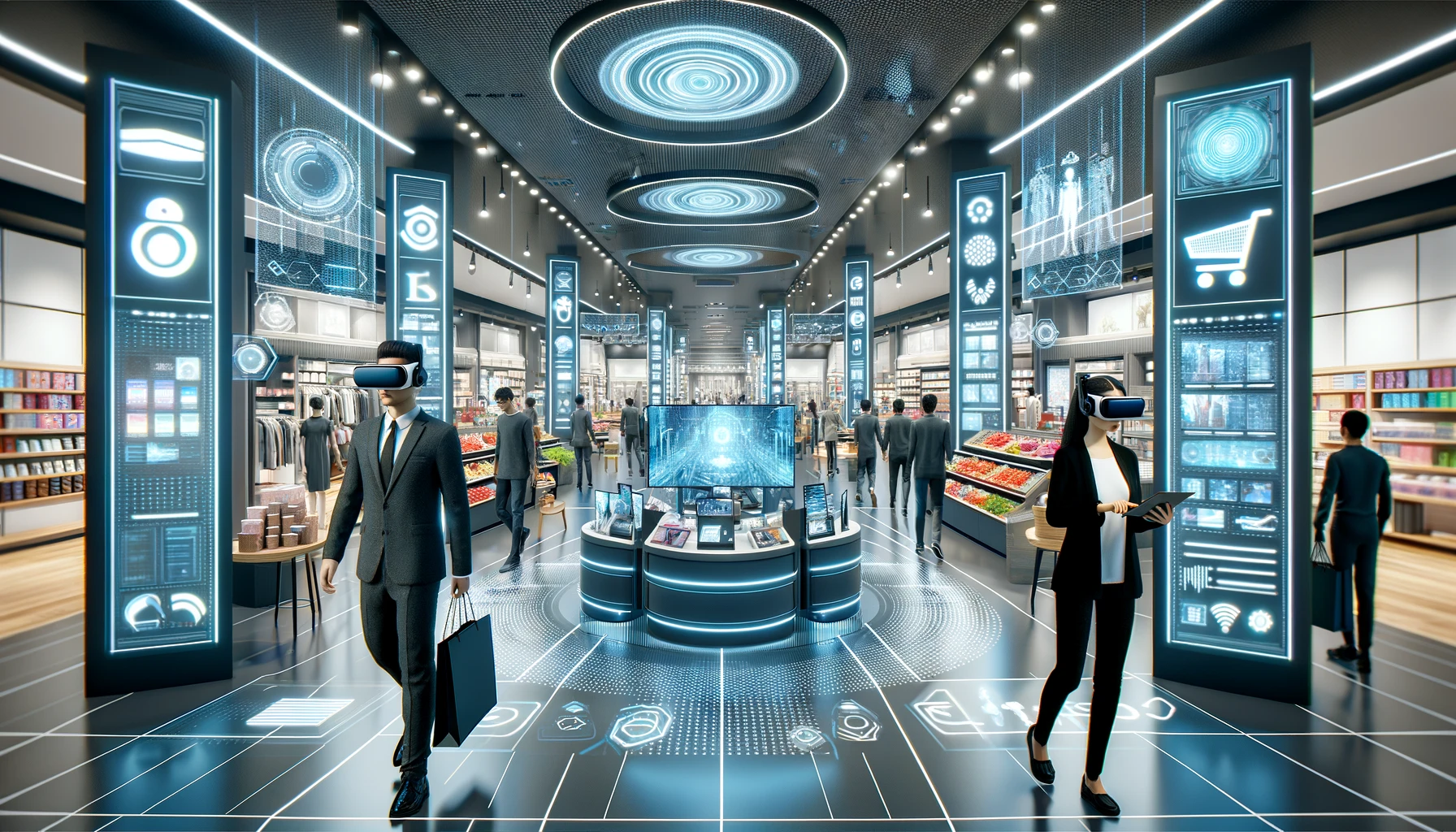 The Future of Shopping: What Will Retail Look Like in 2030?
Health: Preventing Disease Before It Starts
Personalized medicine is the future. With advancements in genomics and AI, doctors will be able to predict and prevent diseases before they even manifest. Imagine a world where cancer isn't a feared diagnosis, but a treatable condition. Or where heart disease is a thing of the past, thanks to early detection and intervention.
We're already seeing this in action with wearable technology. Devices like the Apple Watch can detect irregular heart rhythms and falls, alerting users and emergency services when necessary. The future will see these devices becoming even more sophisticated, tracking everything from our sleep patterns to our stress levels.
So, What Does This Mean for Us?
It's easy to get carried away with the excitement of the future. But it's important to remember that these advancements won't happen overnight. They'll take time, investment, and a collective effort from governments, industries, and individuals alike.
But the good news is, we're already on our way. Every day, we're taking small steps towards a more sustainable, efficient, and healthier future. So, while we can't teleport to work just yet, we can start making changes in our daily lives that will contribute to this future.
That could be anything from cycling to work instead of driving, to eating more plant-based meals, or even just turning off the lights when we leave a room. Because every small action counts. After all, the future isn't something that happens to us - it's something we create, one step at a time.
