What Temperature To Cook Lasagna In Oven

There’s something timeless about a tray of lasagna bubbling in the oven, a comforting aroma that fills the kitchen and invites everyone to gather around the table. Knowing the...
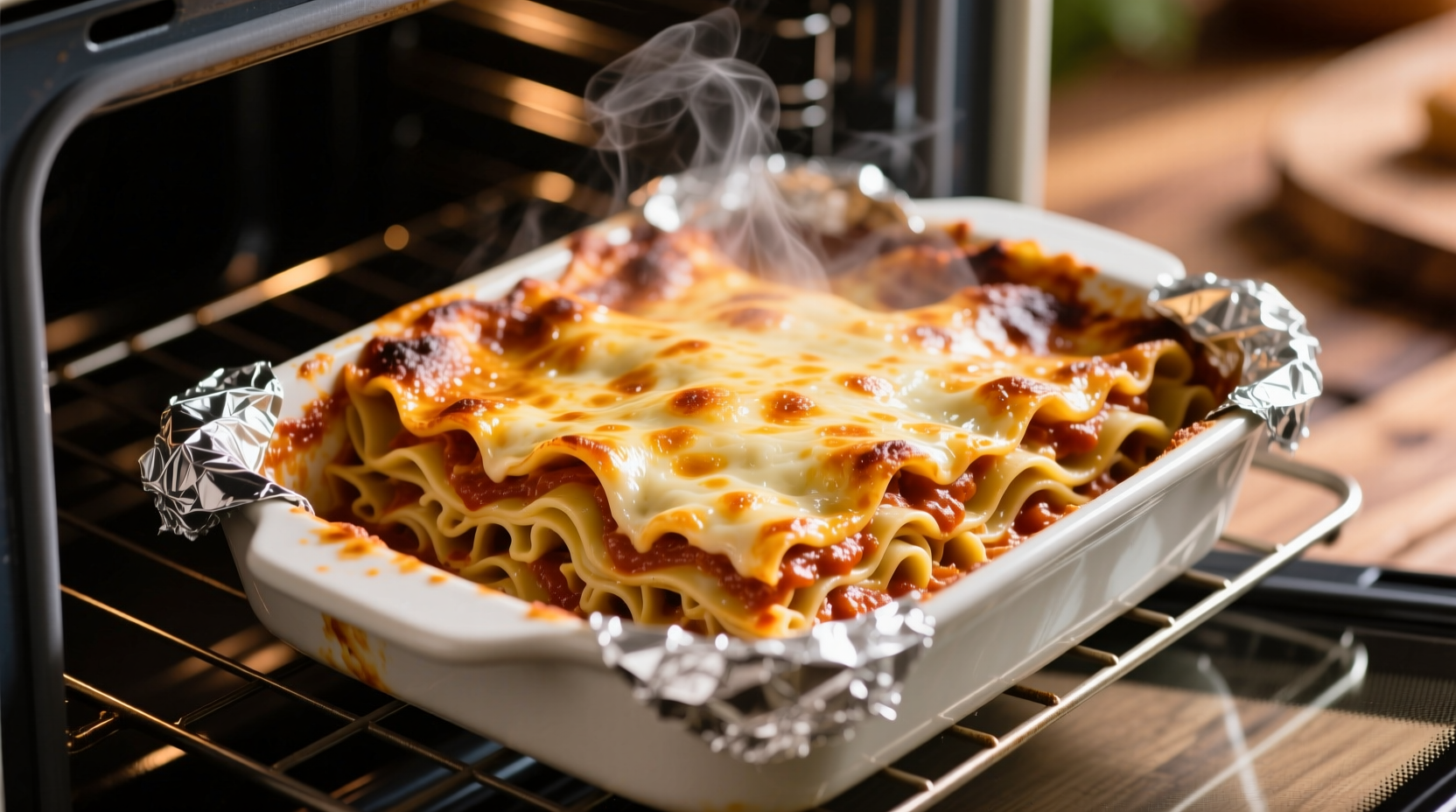
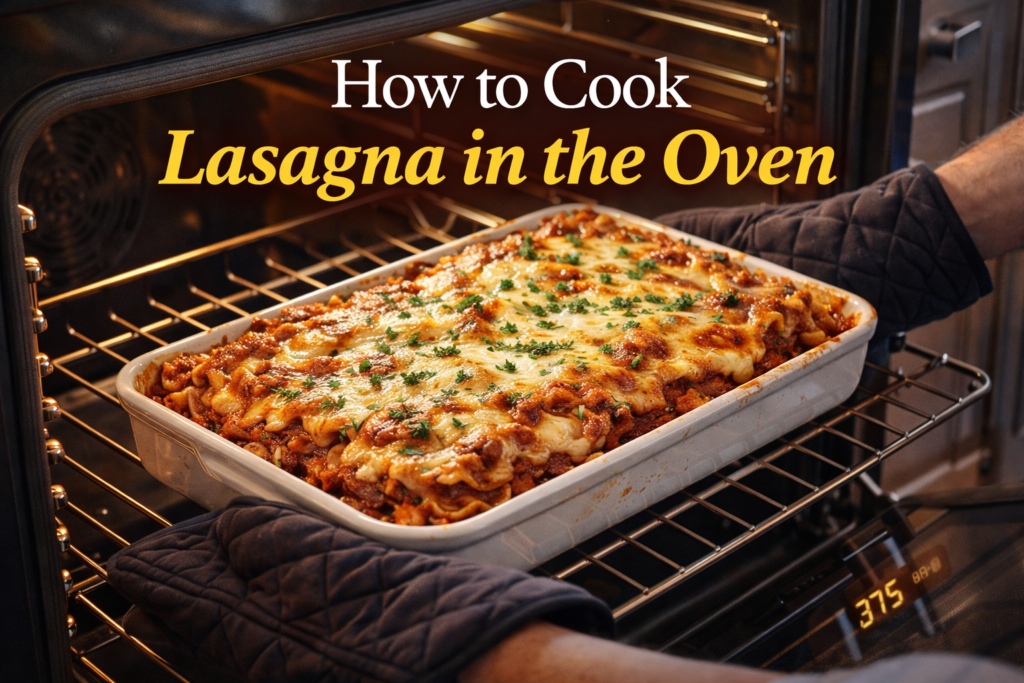
There’s something timeless about a tray of lasagna bubbling in the oven, a comforting aroma that fills the kitchen and invites everyone to gather around the table. Knowing the right temperature is not just a technical detail—it’s the key to turning a simple assembly of pasta, sauce, and cheese into a perfectly layered experience. This article explores why baking temperature matters, how it benefits cooks of all levels, and offers practical advice for achieving that golden, melt‑in‑your‑mouth finish. Mastering the heat will make you feel confident at every step.
The main purpose of finding the correct oven temperature is to ensure even cooking, proper cheese melt, and the right texture of the pasta layers. A well‑chosen heat level benefits several groups: home cooks gain confidence without constantly checking the dish, busy families enjoy a reliable timing that fits into evening routines, and culinary enthusiasts appreciate the subtle differences that a few degrees can make. In addition, consistent temperatures help reduce waste because less over‑cooked or under‑done lasagna means fewer leftovers that need to be salvaged.
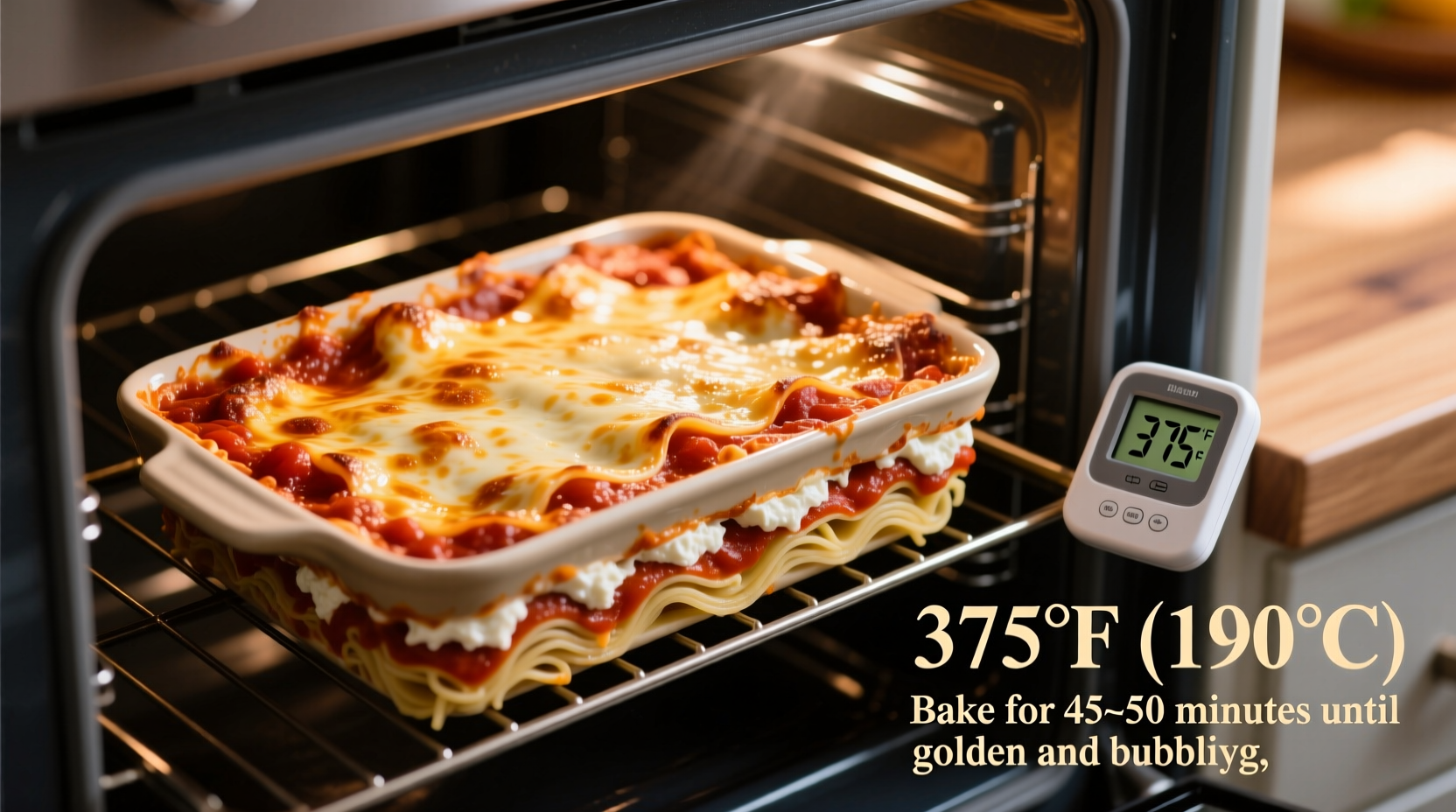
Most traditional lasagna recipes call for an oven temperature of 375°F (190°C), a sweet spot that balances browning and thorough heating without drying out the sauce. Some cooks prefer 350°F (175°C) for a gentle bake, especially when the dish is packed with extra vegetables or delicate béchamel. Conversely, a higher setting like 400°F (205°C) can create a crispier top layer, but it requires careful monitoring to avoid scorching the cheese. Understanding these options lets you tailor the heat to your personal taste and the specific ingredients you’ve used.
Must Read
Regional twists often call for slight temperature adjustments. For example, a classic Italian lasagna alla Bolognese benefits from a steady 375°F (190°C) bake to let the rich meat sauce meld with the pasta, whereas a vegetarian version filled with roasted eggplant and ricotta may do better at 350°F (175°C) to keep the filling moist. In a Mexican‑inspired lasagna that uses corn tortillas and chiles, a brief high‑heat finish at 400°F (205°C) can add a delightful crunch before the final rest. These tweaks show how temperature highlights each style’s unique flavors.
 How to Cook Lasagna: Step-by-Step Guide for Perfect Results
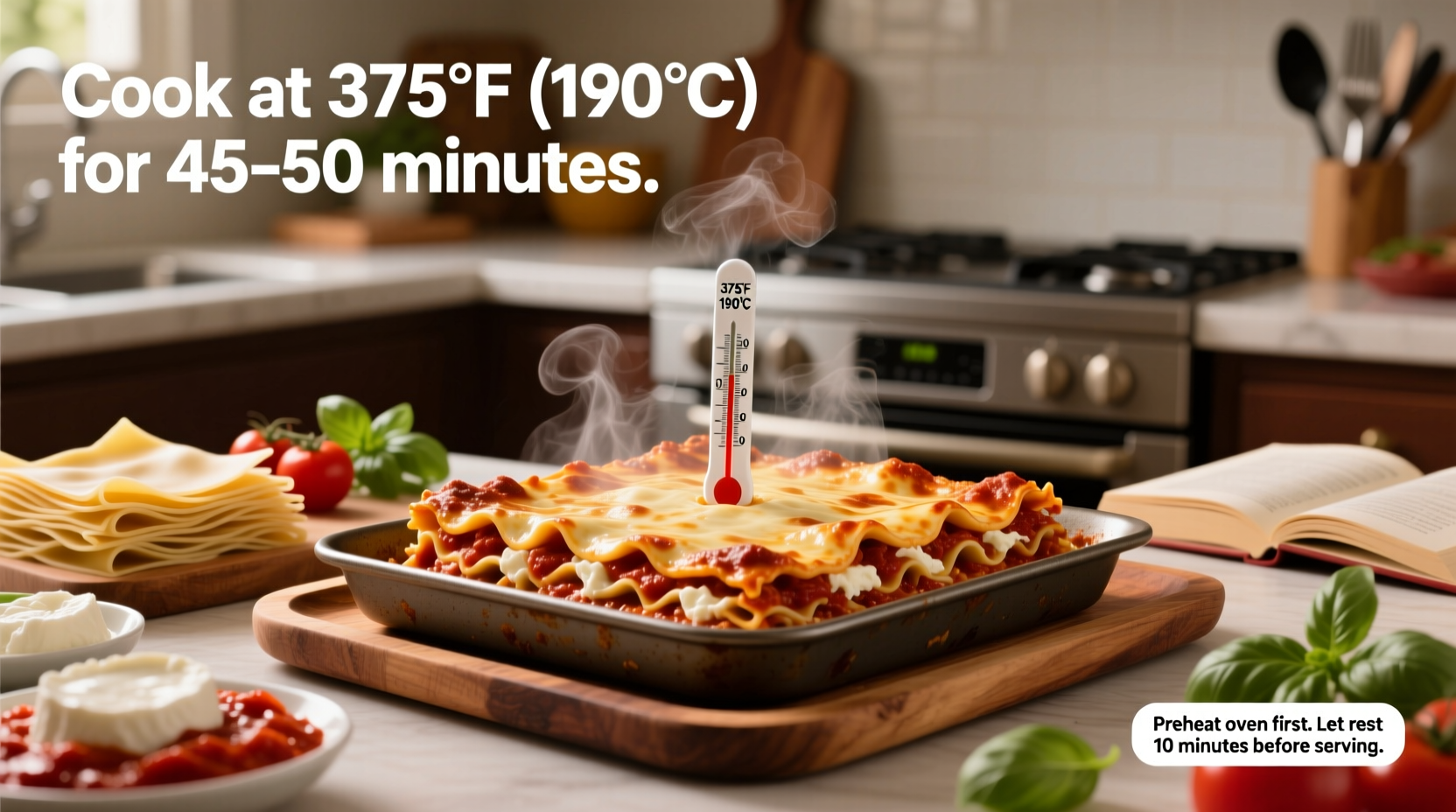
Preheat the oven thoroughly before you place the dish inside; a steady temperature ensures uniform cooking from the first minute. Use an oven thermometer if you suspect your stove runs hot or cold, because even a 10° difference can affect the final texture. Cover the lasagna with foil for the first half of baking to trap moisture, then uncover for the last 10‑15 minutes to let the cheese brown. Finally, let the dish rest for five minutes after turning off the heat, allowing the layers to settle and the flavors to meld.
With these guidelines, you can confidently dial in the perfect temperature for any lasagna you decide to make, whether it’s a quick weeknight sheet‑pan bake or an elaborate layered masterpiece for a holiday gathering. Remember that the right heat does more than just cook the dish—it enhances aroma, texture, and the overall satisfaction of sharing a home‑cooked meal. Feel free to experiment with the temperatures mentioned, record what works best in your kitchen, and enjoy the process as much as you enjoy the final, cheesy slice. Your next lasagna will thank you for taking the time to get the heat just right and taste even better.