What Temperature Should You Cook Pizza

Imagine sinking your teeth into a perfectly crisp yet chewy slice of pizza, the crust golden and the cheese bubbling just right. Knowing the right temperature is the secret th...

Imagine sinking your teeth into a perfectly crisp yet chewy slice of pizza, the crust golden and the cheese bubbling just right. Knowing the right temperature is the secret that turns a simple dough into a slice of joy. This guide will show you why temperature matters, how it shapes flavor and texture, and how you can use that knowledge to make every homemade pizza a standout creation.
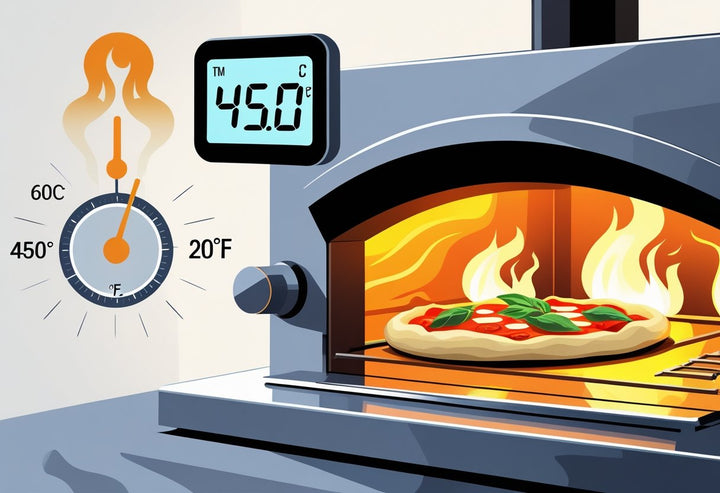
Understanding the ideal heat level is more than a technical detail—it’s the foundation of a great pizza experience. For most home ovens, 500°F (260°C) is the sweet spot that creates a crisp bottom while keeping the toppings tender. In a commercial wood‑fired setup, temperatures can soar to 800°F (420°C), baking a pizza in under two minutes. By mastering these ranges, you gain confidence, avoid soggy crusts, and achieve that authentic pizzeria taste without leaving your kitchen.
Different pizza styles thrive under different heat profiles. A Neapolitan masterpiece demands the intense flash of a brick oven, while a deep‑dish Chicago pie enjoys a slower bake around 375°F (190°C) to melt its thick layers without burning the cheese. Even a freezer‑aisle pizza benefits from a quick 425°F (220°C) burst, bringing the pre‑made crust back to life. Experimenting with these temperatures lets you tailor each pizza to its personality, whether you crave a thin, crisp crust or a thick, doughy bite.
Must Read
Here are a few creative examples that illustrate the power of heat: try a garlic‑butter pizza at 550°F (290°C) for a caramelized scent that fills the kitchen, or a barbecue chicken pizza baked at 475°F (245°C) where the sauce reduces to a sticky glaze. For a fun twist, pre‑heat a cast‑iron skillet to 500°F (260°C), toss in a ball of dough, and watch it puff into a skillet‑pizzetta with a crispy edge that’s impossible to resist. Each temperature shift tells a different story about texture, aroma, and flavor.
 Pizza Oven Temperature Chart for Perfect Homemade Pizza
Ready to put this knowledge into practice? Start by bringing your oven to the target temperature at least 30 minutes before baking, ensuring even heat distribution. Use an oven thermometer—home ovens can be off by up to 25°F—to guarantee accuracy. Pre‑bake a plain crust for 3–5 minutes if you love an extra‑crunchy base, then add toppings and finish until the cheese is golden. Finally, let the pizza rest for 2 minutes before slicing; this short pause allows juices to redistribute, giving you a cleaner cut.
Temperature is the invisible hand that guides a pizza from dough to delight. By knowing the right heat for each style, experimenting with surprising combos, and following a few simple preparation tips, you’ll turn every homemade pie into a culinary triumph. So fire up that oven, trust the numbers, and enjoy the delicious reward of a perfectly cooked pizza.