What Temperature Should You Cook Ham To

Let's talk about ham, shall we? Few dinners bring as much joy to the table as a beautifully glazed, perfectly cooked ham sitting right in the middle of your spread. But here's...

Let's talk about ham, shall we? Few dinners bring as much joy to the table as a beautifully glazed, perfectly cooked ham sitting right in the middle of your spread. But here's the thing — getting that internal temperature just right can be the difference between a legendary feast and a total letdown.
Don't worry, though. This isn't rocket science, and once you know the magic numbers, you'll wonder why you ever second-guessed yourself. So grab your meat thermometer and let's dive in.
The Safe Sweet Spot: 145°F Is Your Best Friend
The USDA recommends that fully cooked ham reach an internal temperature of 145°F before it's safe to eat. That's the golden number, friend — the one you should be pulling for every single time. It ensures the ham is safe while staying juicy and tender, which is exactly what we're after.
Must Read
Fun aside: if you've ever bites into a ham that was dry as cardboard, chances are it sailed well past that 145°F mark. Nobody wants chewy ham. Trust me on this one.
Whether you're working with a bone-in spiral-sliced ham or a boneless beauty, 145°F applies across the board for fully cooked ham that you're simply reheating. You want it warm throughout, not raw in the middle, and 145°F delivers exactly that.
What About Pre-Cooked vs. Raw Ham?
Here's where things get interesting. Most hams you pick up at the store are already fully cooked, meaning they just need warming up. For these, you're aiming for that 145°F internal temperature, no exceptions.
Raw or fresh ham is a different story entirely. Since it starts out uncooked, you need to roast it until it reaches a safe internal temperature of 145°F as well — but allow yourself a 3-minute rest time after cooking before carving into it.
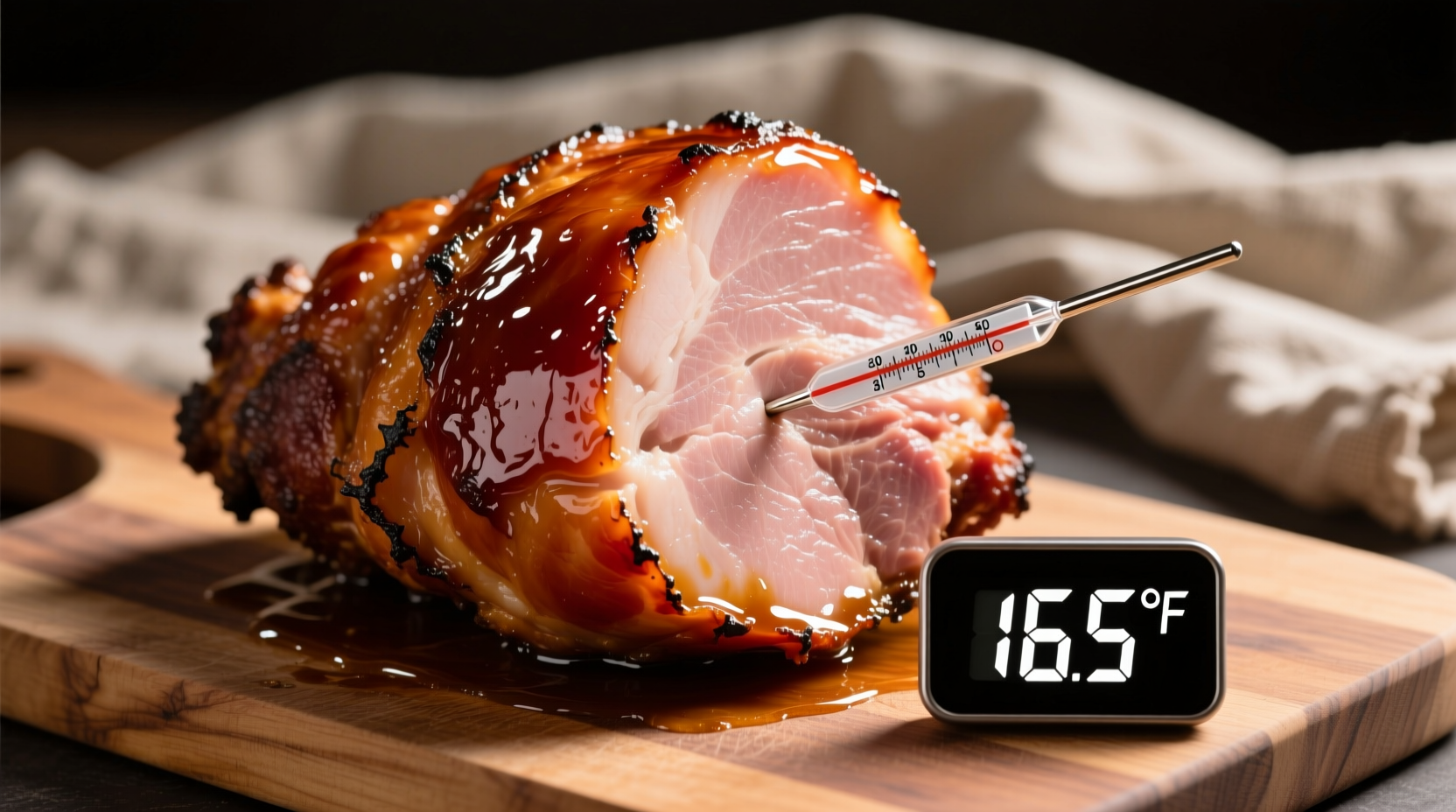 How to Cook Ham in Oven: Perfect Temperature & Timing Guide
That little rest period lets the juices redistribute, and honestly, it's worth every second of waiting. The result? Melty, juicy slices that practically sing on your taste buds.
Cooking Temperature: The Oven Setting Matters Too
Now let's talk oven temperature, because your internal thermometer reading only tells half the story. For most pre-cooked hams, set your oven to 325°F for gentle, even reheating.
Low and slow is the way to go here. Cranking the heat up too high can dry out the outside while the inside lags behind, and that's just a sad ham nobody asked for.
Raw hams typically roast at around 325°F to 350°F, depending on size and shape. You're looking at roughly 15–20 minutes per pound, but that meat thermometer will always be your ultimate authority.
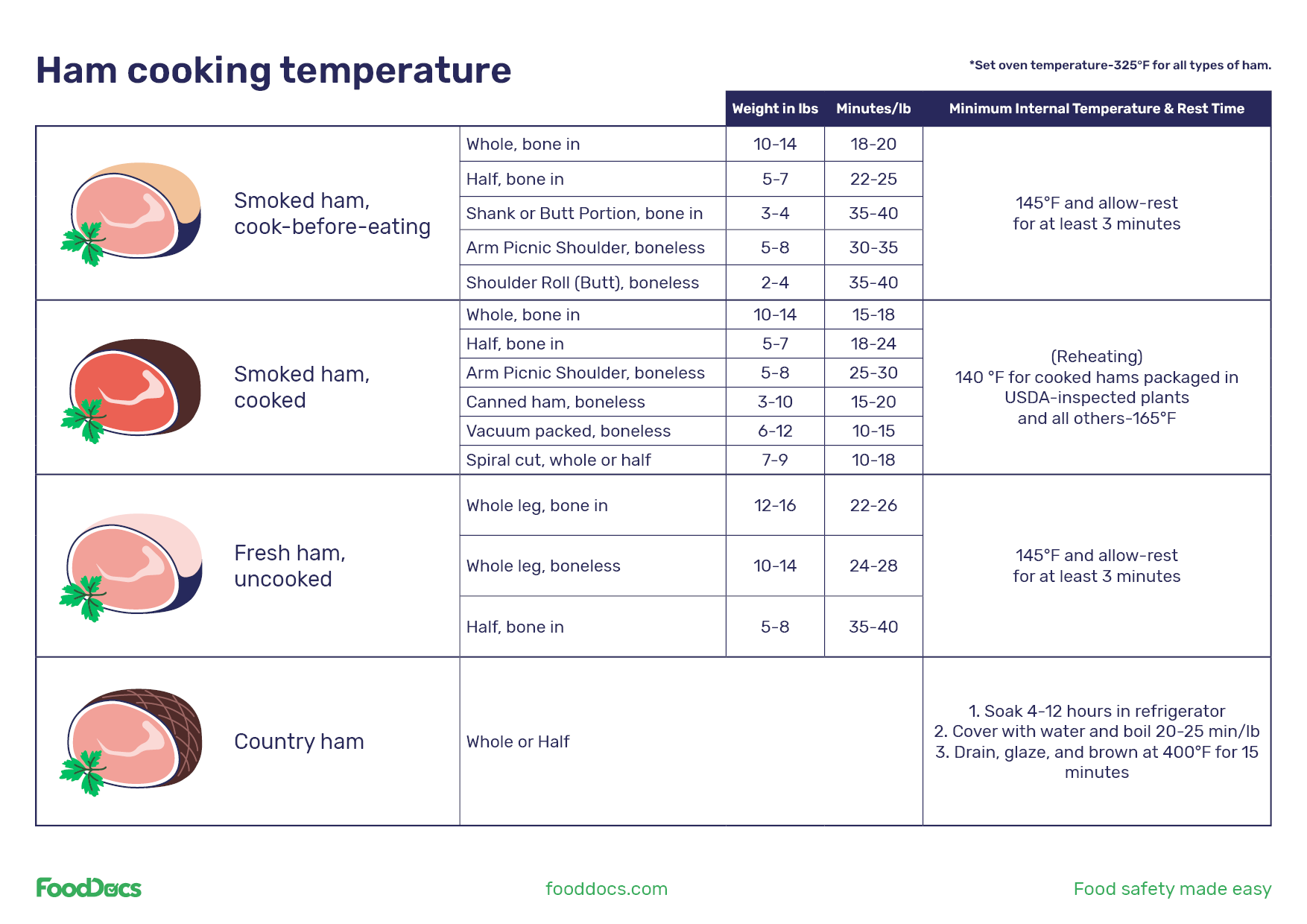 How Long to Heat a Fully Cooked 12 Pound Ham
The Glaze Game: Adding Flavor at the Right Time
Don't slather on your glaze right at the start — you'll end up with a scorched, sticky mess. Apply the glaze during the last 30 minutes of cooking when the internal temperature is just a few degrees shy of 145°F.
This timing allows the sugars in your glaze to caramelize beautifully without burning. Think of it as the grand finale, the moment your ham transforms from good to absolutely unforgettable.
Feel free to get creative with your glaze too. Brown sugar and mustard, honey and pineapple, maple and cloves — the possibilities are as exciting as you dare to make them.
Resting: The Most Underrated Step in the Whole Process
Patience is a virtue, especially when a gorgeous ham is sitting on the counter. Let it rest for 10 to 15 minutes after pulling it from the oven.
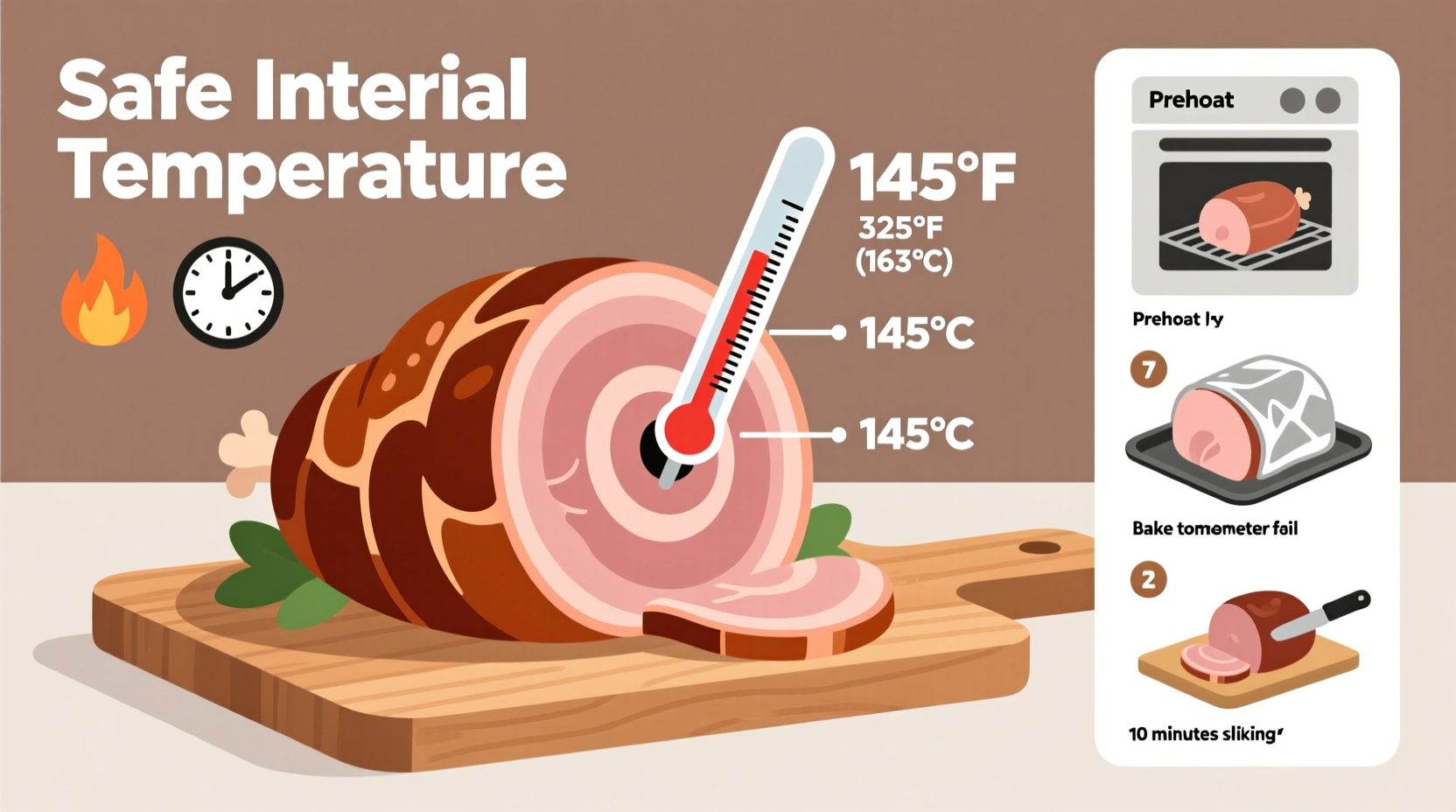 Ham Cooking Temperature Guide: Safe Internal Temperatures
This short wait allows the internal juices to settle, which means every slice stays moist and ready to impress. Skip it, and all those glorious juices will pool onto your cutting board instead of staying where they belong — inside the ham.
A Little Cheat Sheet to Keep Nearby
Here's your quick refresher: pre-cooked ham warms at 145°F internal temp and 325°F oven temp. Raw ham roasts until 145°F with a 3-minute rest, then a 10–15 minute rest before serving. Keep your thermometer close and you're practically guaranteed success every time.
Print this out, stick it on your fridge, and you'll never second-guess yourself again. Cooking should be fun, not stressful — and knowing these numbers takes all the guesswork right out of the equation.
Your Next Ham Adventure Awaits
Cooking ham to the perfect temperature is one of those satisfying kitchen skills that boosts your confidence and delights everyone around your table. Once you nail it, you'll start experimenting with brines, marinades, spice rubs, and techniques that turn a simple Sunday dinner into a celebration.
So the next time you're standing in front of the oven, thermometer in hand, feel that little thrill — you now know exactly what you're doing. Keep learning, keep cooking, and keep letting your curiosity lead you to even tastier adventures. The kitchen is your playground, and there's so much more delicious knowledge waiting for you out there.
