What Temperature Should Potatoes Be Cooked To

Let’s be honest—potatoes are the unsung heroes of the dinner plate. They’re humble, reliable, and somehow make everything better. But ask any home cook what temperature those...
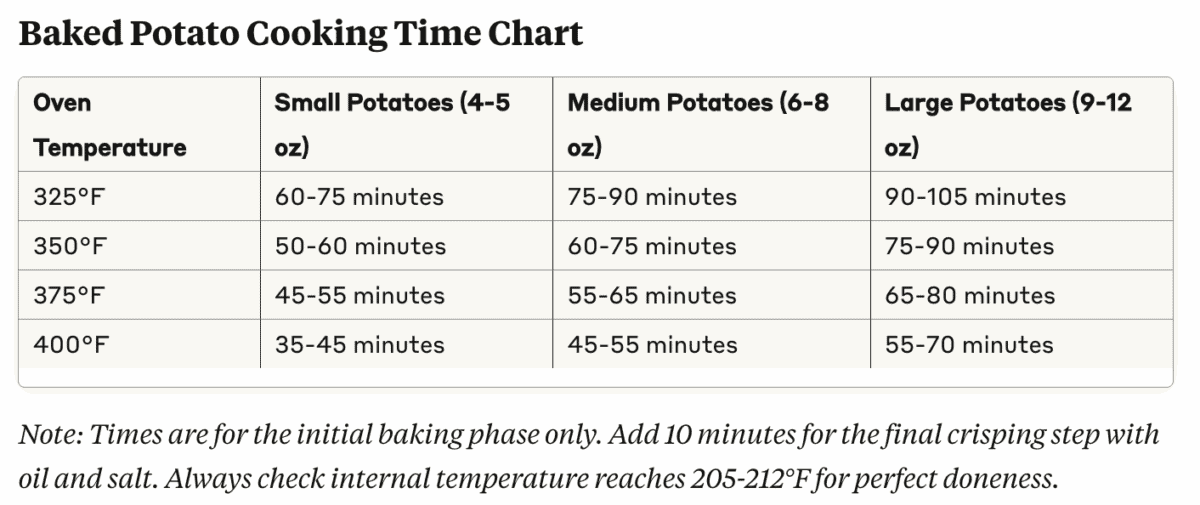
Let’s be honest—potatoes are the unsung heroes of the dinner plate. They’re humble, reliable, and somehow make everything better. But ask any home cook what temperature those golden spuds should be cooked to, and you’ll get a shrug or a guess. You deserve better than a shrug.
So, what is the magic number? For perfectly cooked potatoes—whether you’re roasting, baking, or mashing—the target temperature is 210°F to 212°F (99°C to 100°C) at the center. Yes, that’s the temperature you’ll find with an instant-read thermometer. Why this range? It’s where the starches fully gelatinize, turning that raw, gritty tuber into a fluffy, creamy dream.
The science? It’s actually fun.
Potatoes are full of starch granules, and they act like tiny sponges. At around 140°F, the cell walls start to soften and the starch absorbs water. But the real magic happens between 200°F and 212°F. That’s when the starch granules swell and burst, trapping moisture and air—hello, fluffiness! If you pull them out too early, you get a sad, waxy interior. Nobody wants a sad potato.
Must Read
Let’s talk about your choice of potato, because yes, it matters. A Russet potato is perfect for baking because it’s high in starch and fluffs up like a cloud. A Yukon Gold? It’s a buttery, medium-starch hero that’s ideal for roasting or mashing. And red or new potatoes? They’re waxy little gems that hold their shape—great for salads or boiling, but they won’t get that airy texture. So pick your potato based on your vibe.
Roasting? Baked? Let’s get specific.
When you roast potato wedges, you want them crispy on the outside and tender within. To test, you can aim for an internal temp of 210°F when poking the thickest piece. But honestly, a fork should slide in with no resistance—that’s your gut-check. For a whole baked potato, you’re shooting for that 210°F to 212°F sweet spot. Not sure? Stick your thermometer into the center from the side, not the top, to avoid hitting a hot pocket.
 Temperature Tips for Cooking Potatoes | ThermoWorks
What about mashed potatoes? Oh, this is where it gets personal. For the creamiest mash, boil or steam your potatoes until fork-tender (again, that 210°F interior). Then drain, steam dry for a minute, and mash with warm butter and cream. No cold milk—ever. Cold dairy shocks the potatoes and makes them gluey. You’re not making wallpaper paste; you’re making joy.
And here’s a pro tip: never rely on color or smell alone. A potato can look perfectly golden on the outside and be raw in the middle. That’s why a reliable instant-read thermometer is your new best friend. It’s not about being a perfectionist—it’s about knowing your potato is telling you the truth.
Yes, you can screw this up—but it’s easy to fix.
Undercooked potatoes taste starchy and chalky. Overcooked? They get waterlogged and fall apart, especially if you boil them too long. The trick is to start checking a few minutes before you think they’re done. A gentle poke with a paring knife should meet no resistance—like butter. If it resists, let it cook a few more minutes and test again. You’ve got this.
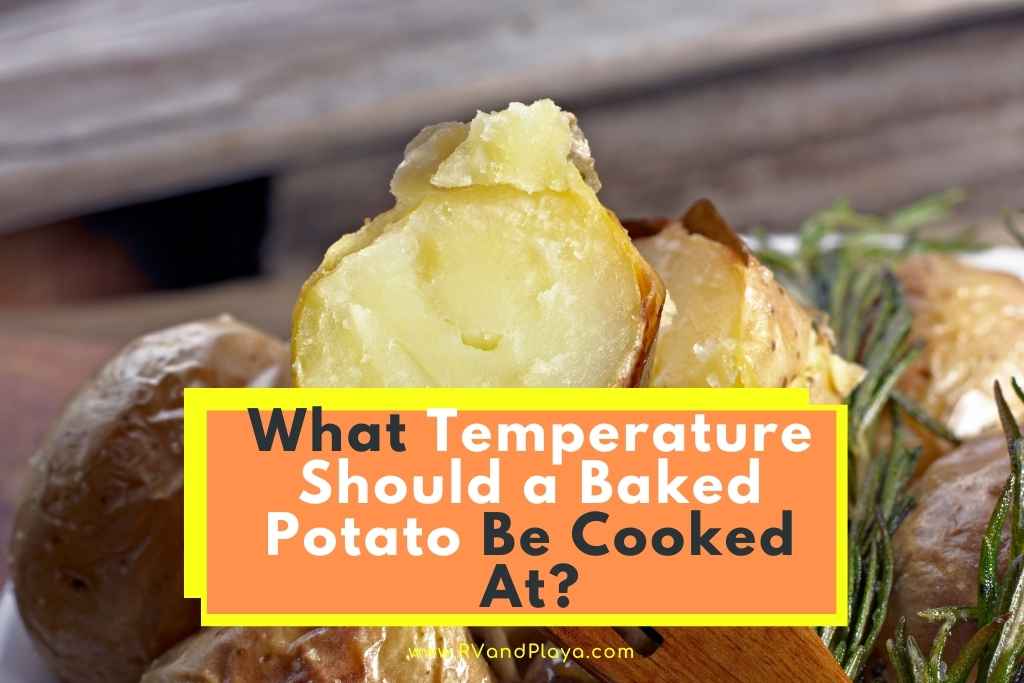 What Temperature Should a Baked Potato Be Cooked At?
Now, why does this matter beyond dinner? Because mastering a simple, foundational skill like potato temperature makes you feel like a total boss in the kitchen. It frees you up to experiment—try smashed potatoes, crispy potato cakes, or even a loaded sweet potato bar. Sweet potatoes need the same 210°F target, by the way. They’re just sweeter, happier cousins.
So here’s the uplifting part: you already have everything you need. A potato, a heat source, and a little curiosity. The next time you roast, bake, or boil, don’t guess—measure. Feel the pride when you pull that golden, fluffy potato from the oven and it’s exactly right. That’s not just cooking; that’s building a little moment of confidence.
And if you’re inspired to learn more? Good. Because the same principle applies to other roots—carrots, parsnips, even rutabagas (yes, rutabagas!). Temperature is your secret handshake with the vegetable world. So go forth, get silly with it, and remember: a perfectly cooked potato is a perfectly happy meal. One degree at a time.
