What Temperature Should I Cook Pizza At

Few foods have the same universal appeal as a freshly baked pizza, and the secret to that perfect bite often lies in the temperature at which it is cooked. When the heat is ri...

Few foods have the same universal appeal as a freshly baked pizza, and the secret to that perfect bite often lies in the temperature at which it is cooked. When the heat is right, the dough rises quickly, the cheese melts to a golden stretch, and the toppings become aromatic rather than soggy. Understanding the ideal baking temperature not only elevates home cooking but also saves time and energy in daily meal prep. Whether you are a casual slicer or a weekend chef, the right oven setting can transform a simple pizza into a memorable experience.
Purpose of temperature: The main goal of selecting the correct temperature is to balance several outcomes. A higher heat creates a crisp outer crust while keeping the interior soft, often called “crunchy yet chewy.” It also lets the cheese caramelize and the sauce intensify its flavor without becoming watery. A low baking temperature results in dense dough, undercooked toppings, and a texture lacking the signature contrast that makes pizza enjoyable. Most home cooks find that staying within a narrow range of 450–550°F yields consistently delicious results without burnt edges.
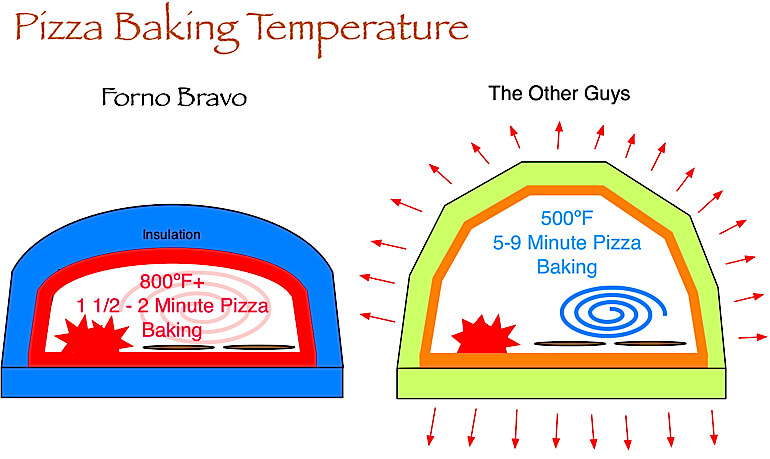
Typical cooking temperatures vary depending on your equipment. A conventional home oven usually reaches about 500°F (260°C), enough for a thin‑crust pizza baked in 8–10 minutes. Convection ovens circulate air, effectively adding roughly 25°F, so you can pull the pizza a minute sooner. Professional wood‑fired ovens hit 800–900°F (425–485°C), giving a blistered crust in under three minutes. These benchmarks help you match the temperature to the pizza style. Beginners often start at the upper end of the home‑oven range and adjust down for reliable results.
Must Read
Before you slide the pizza onto the rack, preheating the oven is essential. A cold oven lets the dough become soggy before the crust can crisp. Set the temperature to at least 500°F and preheat for 20–30 minutes; this creates a stable heat source similar to a professional setup. Adding a pizza stone or steel improves heat retention, letting the base bake as fast as the toppings. A well‑preheated surface also prevents the cheese from burning before the dough finishes. If the crust browns too quickly, lower the temperature by 25°F for the rest of the bake.
Consider a weeknight where dinner must be ready in under fifteen minutes. A high temperature of 475–500°F combined with a preheated stone bakes a thin‑crust pizza in about eight minutes, leaving time for a quick salad while the cheese turns golden. For a weekend gathering, a thicker, hand‑tossed dough benefits from a lower temperature of 425°F but needs a longer bake of 12–15 minutes. Matching temperature to the occasion optimizes both speed and texture. Raising the temperature by 20°F can compensate for a colder kitchen, keeping the bake consistent.
 Pizza Oven Temperature Chart for Perfect Homemade Pizza
To keep the process simple, use a reliable oven thermometer to monitor the true temperature rather than trusting the dial; many ovens run 25–50°F off. Preheat the stone or steel for the full baking time the manufacturer recommends, and avoid frequent door openings, as each peek releases trapped heat. Finally, experiment—start at the higher end of the suggested range, note the crispness of the crust and the melt of the cheese, then adjust in 10°F steps until you find the perfect temperature for your favorite style. With these guidelines, you’ll consistently achieve a crispy base and melty toppings every time.
Now that you understand the importance of temperature, put it into practice. Try a simple test pizza with your oven’s highest setting and a thinner dough, then gradually experiment with lower temperatures for thicker styles. You’ll quickly discover the perfect balance for your kitchen.