What Temperature Should A Meatloaf Be When Done

Let’s face it, meatloaf is the unsung hero of comfort food. It’s the meal that brings families together on a busy weeknight, the star of a potluck, and the leftover that makes...
Let’s face it, meatloaf is the unsung hero of comfort food. It’s the meal that brings families together on a busy weeknight, the star of a potluck, and the leftover that makes a killer sandwich the next day. But nothing kills the vibe faster than a dry, crumbly log or, worse, a dangerously undercooked center. That’s why knowing the perfect internal temperature isn’t just a chef’s secret—it’s your ticket to a juicy, safe, and crowd-pleasing dinner every single time.
Getting the temp right matters far beyond just avoiding food poisoning. For your family, it means peace of mind—no worrying about the kids or the grandparents eating pink meat. For the community, it’s about being the person who brings the perfectly cooked dish to the gathering, the one everyone raves about. When you nail that target, you unlock a flavor and texture that holds together beautifully, slices cleanly, and stays moist without being greasy. It transforms a humble meatloaf into a reliable, star-quality meal.
Think about real-life moments: a dad trying to impress his in-laws on a Sunday night, secretly sweating over the oven. Or a college student finally cooking for themselves, desperate to avoid a trip to the ER. Or a group of friends hosting a “comfort food night,” where a dry meatloaf would be a total letdown. In each case, the one simple number—the right temperature—is the difference between a triumph and a tragedy. It’s the universal cheat code for success.
Must Read
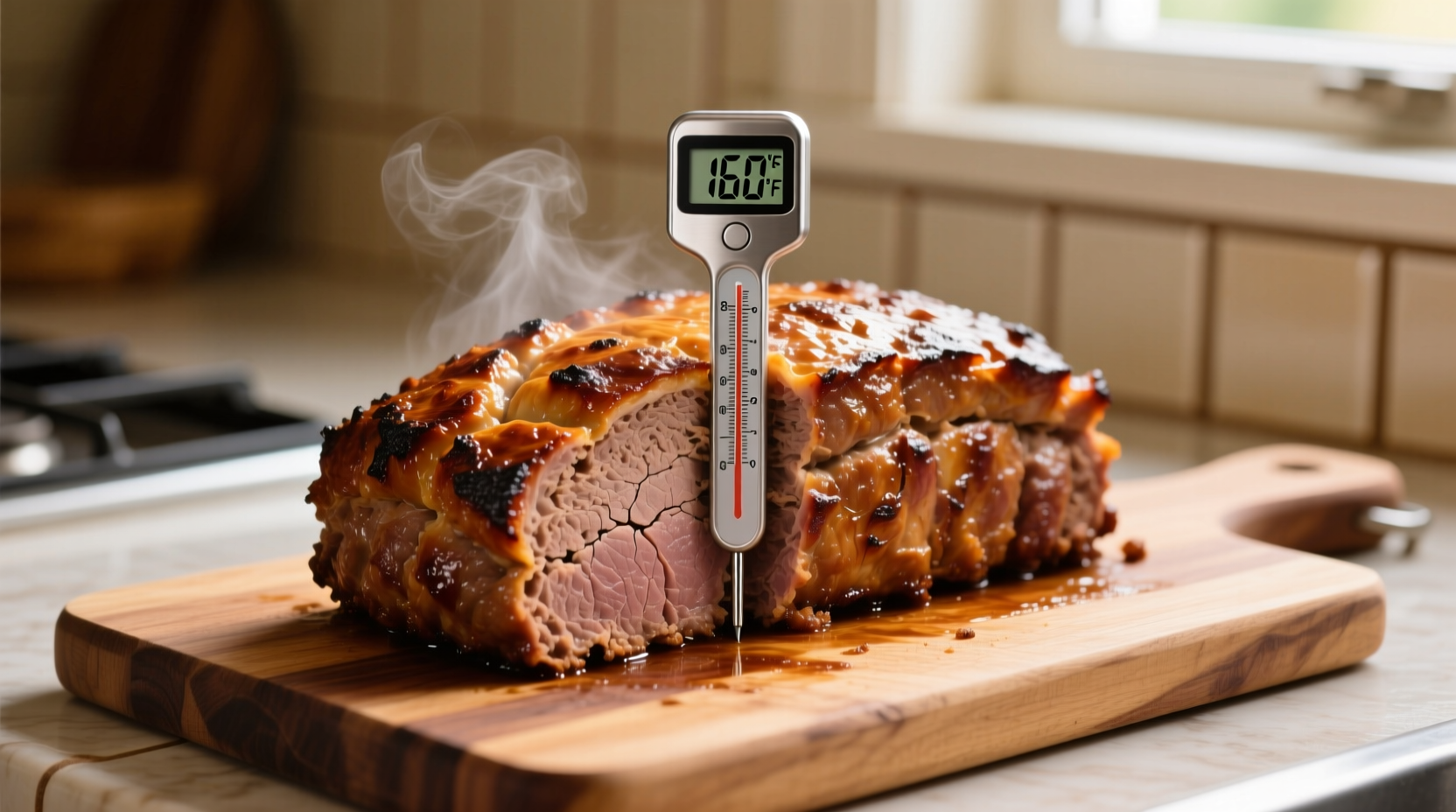
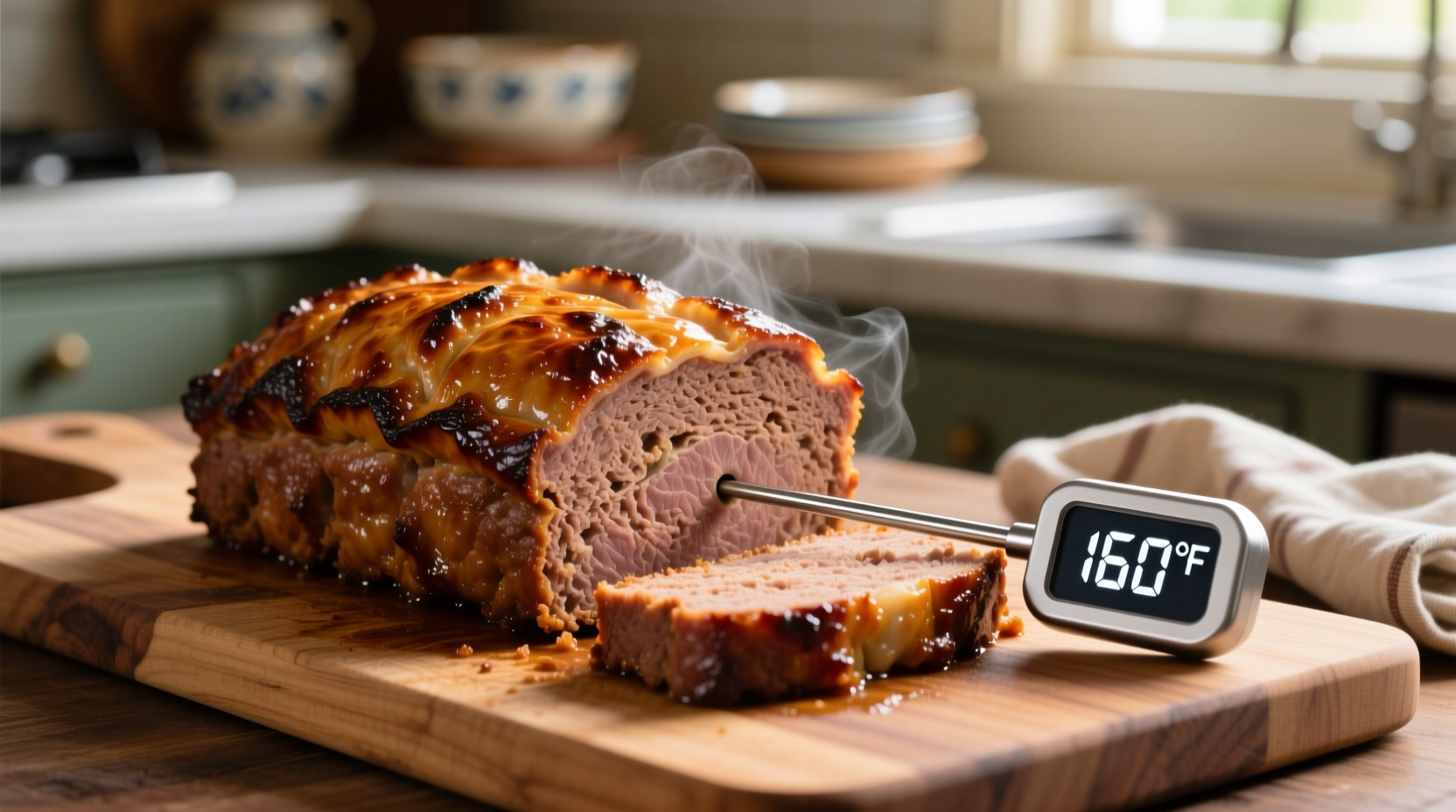
So, what’s the magic number? You’re aiming for 160°F (71°C) in the very center of the loaf, as measured by an instant-read thermometer. This is the gold standard set by the USDA for ground beef safety. But here’s the real pro tip: pull it out at 155°F if you’re using a glass or metal loaf pan, because carryover cooking will push it the rest of the way as it rests. Always insert the thermometer from the top or side, deep into the thickest part, avoiding the bottom of the pan.
To make it foolproof, don’t rely on guessing with a knife or a timer. Invest in a cheap, reliable digital thermometer—it’s the most important tool in your kitchen for this job. Also, let your meatloaf rest for 10–15 minutes after it comes out of the oven. This isn’t just about safety; it allows the juices to redistribute, giving you that perfect, sliceable texture that holds its shape on the plate. Skipping this step is the number one reason for crumbly disappointment.
 How Long to Cook Meat Loaf: Perfect Timing Guide
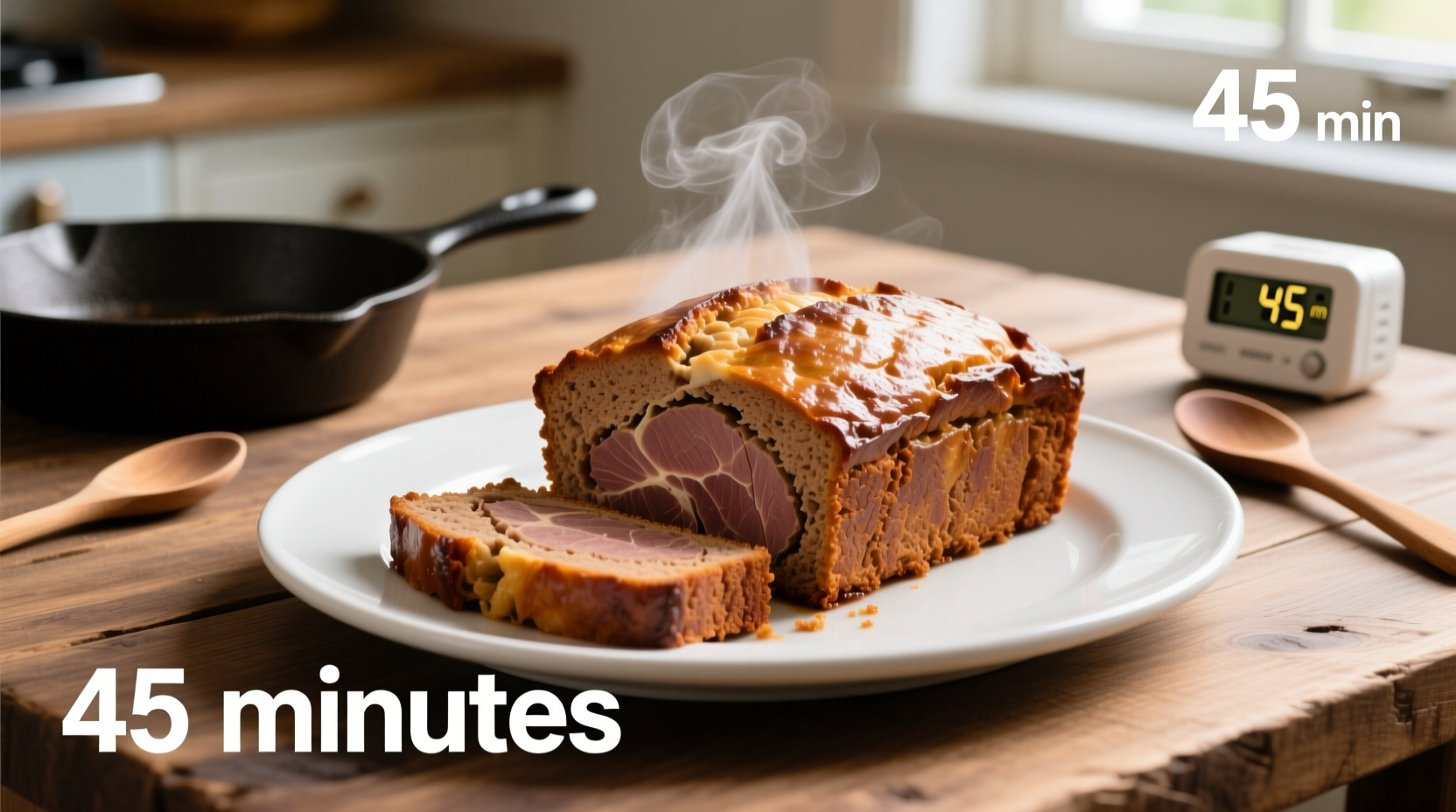
Another easy win? Push your meatloaf mixture into a free-form log on a foil-lined baking sheet instead of using a loaf pan. This exposes more surface area to heat, cooking it faster and more evenly, and it dramatically reduces the risk of a raw center. Check the temp at the 40-minute mark, and you’ll likely be done sooner than any recipe says. It’s a simple trick that saves time and guarantees consistency.
Remember, mastering this one number—160°F—turns a simple meal into a signature dish. It gives you confidence, keeps your loved ones safe, and makes meatloaf the hero it was always meant to be. So go ahead, preheat that oven, grab your thermometer, and cook with the kind of precision that tastes just like home. Your family—and your leftovers—will thank you.