What Temperature Does Pork Fat Melt

Pork Fat: The Melt Factor Ever wondered why your pork belly crispies up just right at 400°F, but your bacon sizzles at a mere 350°F? The secret lies in the melting point of p...
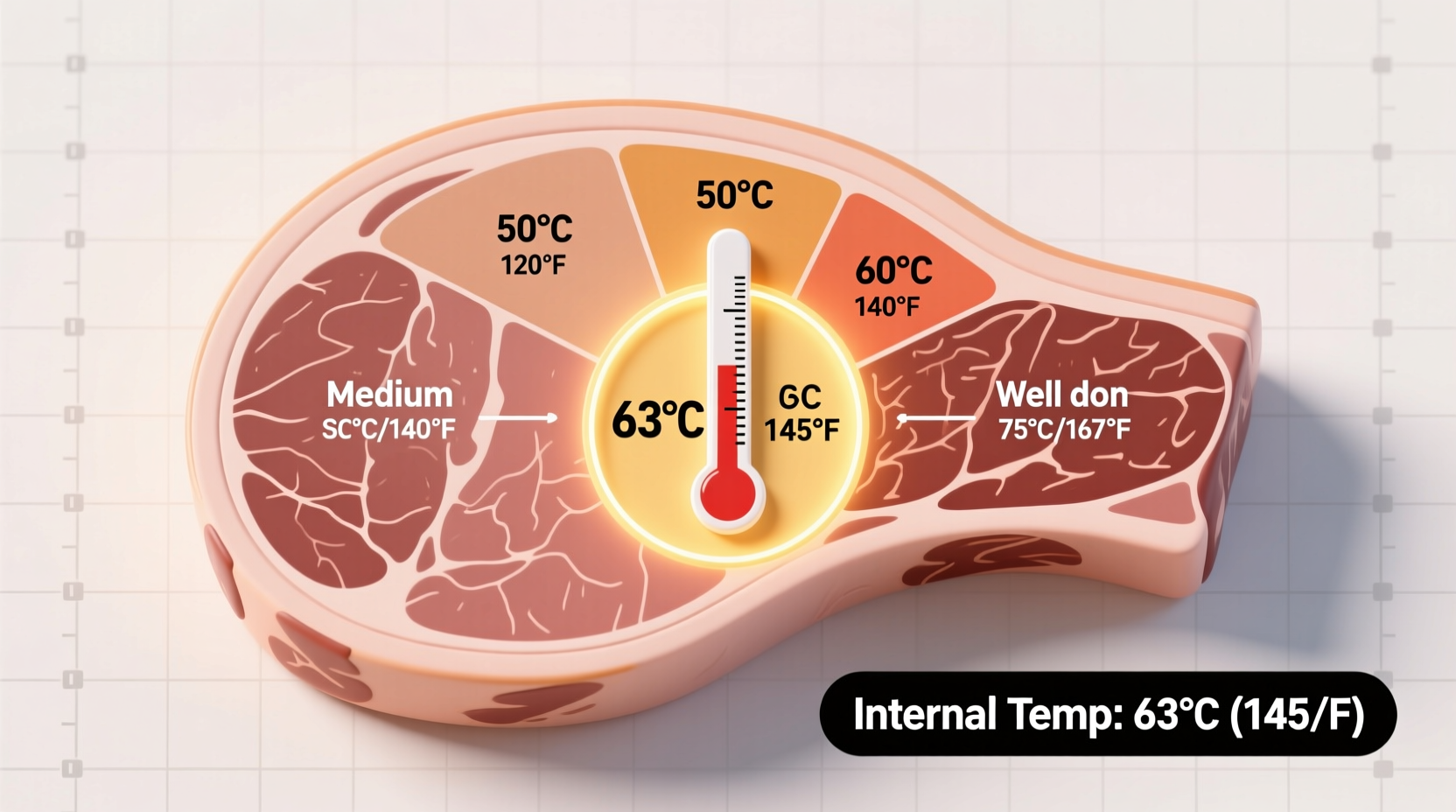
Pork Fat: The Melt Factor
Ever wondered why your pork belly crispies up just right at 400°F, but your bacon sizzles at a mere 350°F? The secret lies in the melting point of pork fat. Let's dive in, shall we?
Fat Facts
Pork fat, like all fats, is made up of triglycerides - that's just a fancy word for a molecule with a glycerol backbone and three fatty acid tails. The length and saturation of these fatty acid chains determine the fat's melting point.
Saturated fats, with their straight, packed fatty acid chains, have higher melting points than unsaturated fats, which have kinks in their chains due to double bonds. Pork fat is about 40% saturated, which is why it's solid at room temperature and melts at a higher heat.
Must Read
Melting Point: The Goldilocks Zone
The melting point of pork fat is around 110-120°F (43-49°C). This is why it's soft and spreadable when it's warm, but solidifies when it's cool. It's the Goldilocks zone of fats - not too hard, not too soft, but just right for a variety of culinary uses.
But why does this matter? Well, when you cook pork, you want the fat to render - that's when the solid fat melts and turns into liquid. This is what gives us that crispy skin on our pork chops, or the perfectly cooked bacon.
Cooking with Pork Fat
To render pork fat effectively, you want to heat it slowly. This gives the fat time to melt gradually, rather than burning the outside while the inside is still solid. Think of it like a slow dance, not a quick tango.
For example, when cooking bacon, start with a cold pan. This lets the fat render slowly, giving you perfectly crispy bacon without burning the house down. Plus, you get delicious bacon grease for cooking your eggs or potatoes - waste not, want not!
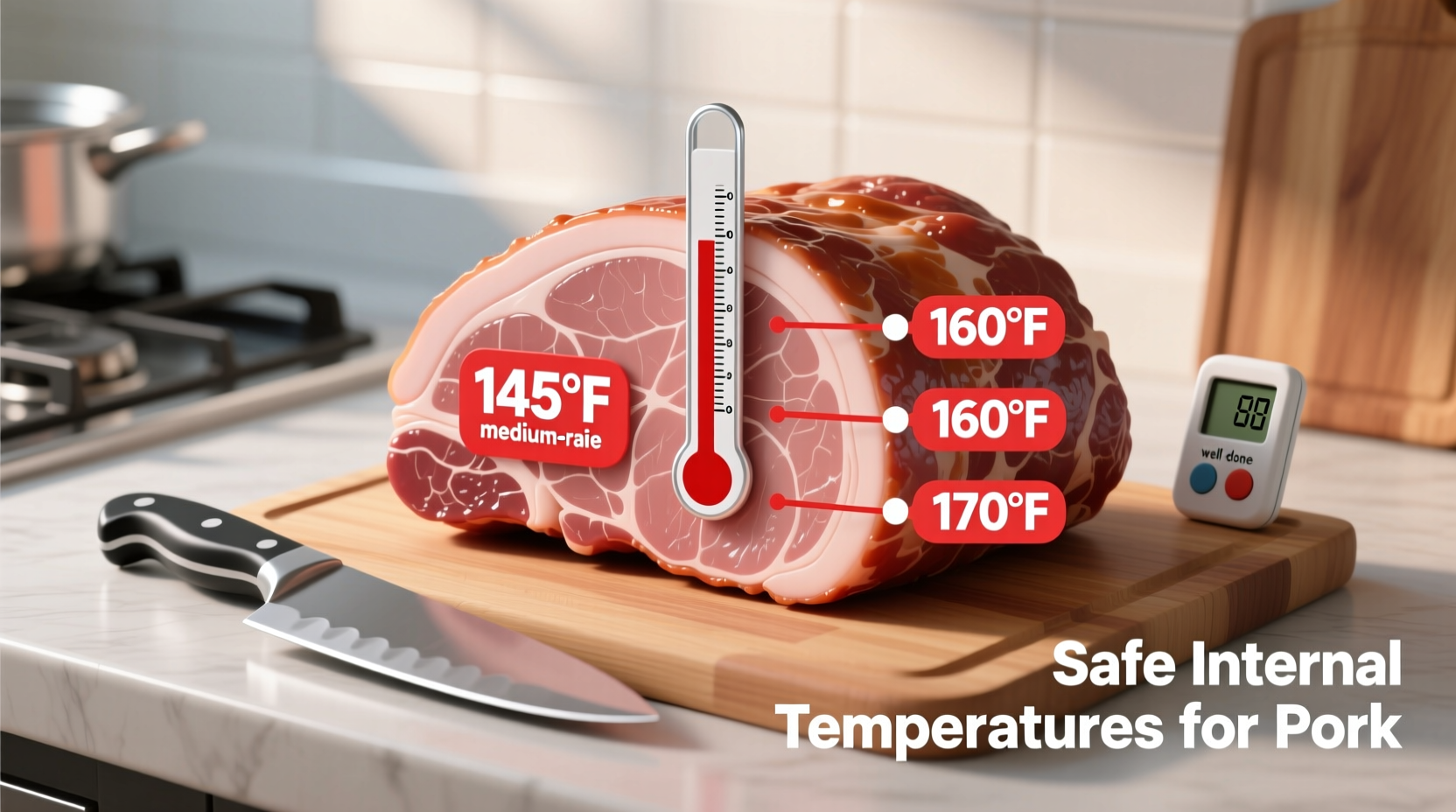 Pork Cooking Temperature Guide: Safe & Perfect Every Time
Cultural Connections
Pork fat has been a staple in cuisines around the world for centuries. In Chinese cuisine, it's used to make dim sum dishes like Char Siu Bao (BBQ pork buns). In Mexican cuisine, it's lard that gives refried beans their creamy texture. And let's not forget the Southern U.S., where pork fat is the secret ingredient in everything from cornbread to collard greens.
Each culture has its own way of honoring pork fat, and for good reason. It adds flavor, moisture, and texture to dishes. It's also a great source of energy and nutrients, making it a valuable food source in many cultures.
Reflecting on Fat
In our quest for lean meats and low-fat diets, we've sometimes overlooked the value of fat. But fat is flavor, and it's also essential for our bodies. It's time we give pork fat - and all fats - their due respect.
So, the next time you're cooking with pork, remember the melt factor. It's not just about cooking temperature, it's about understanding the science behind the sizzle. And who knows, you might just become a pork fat connoisseur.
