What Temperature Do You Cook A Pork Roast At

So here you are, standing in your kitchen, raw pork roast in one hand and a megawatt of indecision in the other. You've heard "cook it until it's done" from every well-meaning...
:max_bytes(150000):strip_icc()/meat-temp-chart-and-safety-tips-3056800_FINAL-5c6ed3b346e0fb00014ef553.png)
So here you are, standing in your kitchen, raw pork roast in one hand and a megawatt of indecision in the other. You've heard "cook it until it's done" from every well-meaning aunt since you could hold a fork. The truth is, pork roasts actually do come with a game plan, and it's far easier than your aunt makes it sound.
Let's start with the magic number: 325°F (163°C). That's the sweet spot for roasting a pork loin or a rack of pork in the oven. Think of it as the Goldilocks of temperatures — not too hot, not too cold, just right for juicy results.
Of course, you could crank the heat up to 450°F for a blistering start to get a gorgeous crust. Then you'd drop it back down to finish slow and low like a barbecue playlist winding into the evening. The sear-and-slow technique is basically what every fancy chef does without admitting it over drinks.
Must Read
The Golden Rule: 145°F Internal Temperature
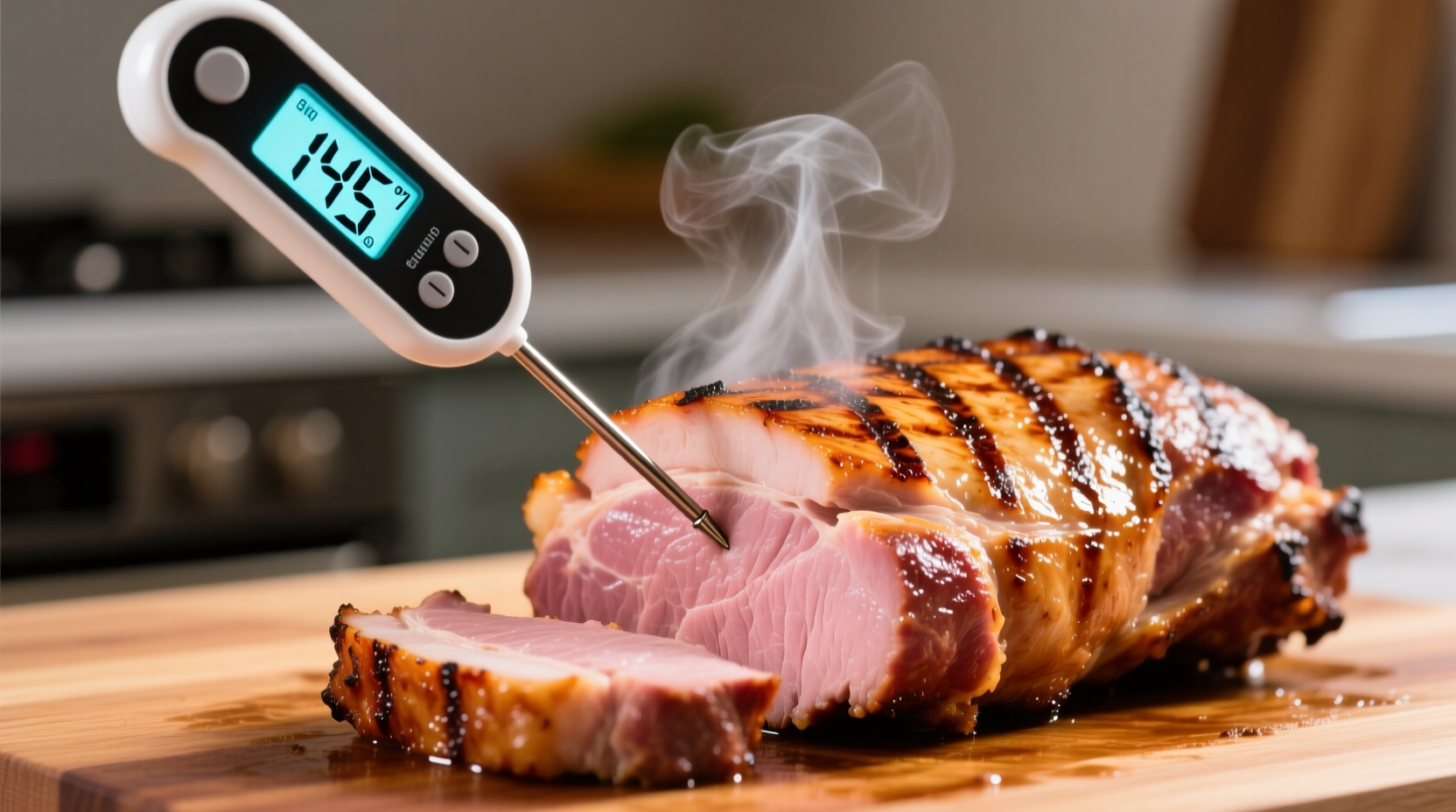
Here's the fact that will change your roasting life forever: the USDA says pork is safe at 145°F (63°C) internal temperature. That number has been the gold standard since 2011, replacing the old, fearful 160°F recommendation. Your pork is not plotting anything dangerous — it just wants to be cooked to perfection.
Let the roast rest for at least three minutes after hitting 145°F before you slice into it. This gives the juices a chance to redistribute instead of flooding your cutting board like a tiny, sad river. Imagine you pulled a steak apart too early — it's the same betrayal, just with less sizzle.
One thermometer, one moment, and one sip of restrained patience — that's your entire secret. A digitally precise meat thermometer costs about as much as a latte and sits by your side for years. It is, without exaggeration, the most heroic small appliance you'll ever buy.
How Long Does That Actually Take?
A typical 3-to-4-pound pork roast at 325°F takes roughly 25 to 30 minutes per pound. So your trusty 3-pound roast will bumble along for about 75 to 90 minutes before it's ready. That is more than enough time to contemplate the meaning of life, or at least what to side-dish with it.
 Mastering the Perfect Pork Roast - Cook Times and Temps
Larger roasts, estimating at six pounds, may need 30 minutes per pound. That's three hours of cheeky, delicious patience — pausing only to check if the oven has finished what it started. Think of it like waiting for your favourite show to drop a whole season drop at once.
Always trust that thermometer rather than a clock. Ovens are odd beasts, rogue, unpredictable, and delightfully prone to their personal interpretation of temperature.
The Tiniest Tips That Change Everything
First, pat your pork dry before seasoning — a dry surface sears more efficiently than a damp one. Nobody's soggy wire suspended in a grease storm feels like charring. Lukewarm entry, lukewarm exit, is a sure-fire path to disappointing crusts.
Second, keep the leaner parts of the roast from overcooking by tenting them with foil once they hit 145°F. It's the equivalent of placing a blanket around a marathon runner's hips while they reach their peak — this is a classic move every chef respects.
 Pork Cooking Temperature: Safe Internal Temp Guide (145°F)
Third, pull your roast slightly before the thermometer rings off. It'll carry over cooking, which is like letting a burly radio show continue at lower volume after the theme song stops. That carryover can add another 5 to 10 degrees, so plan your victory lap early.
Should You Brine It? Absolutely.
Brining a pork roast is like wrapping warmth around it before it enters the oven — it improves moisture retention by a startling margin. Wet brine means salt and water, sometimes sugar and pepper, soaking in the fridge overnight. Soaking may sound like lazy resting, but it's really just pre-game hydration for your roast.
If the brine scares you, a simple dry rub with salt and herbs works brilliantly too. Salt drawn to the meat's surface pulls moisture inward through osmosis, creating a slushy of amplified flavour. Your taste buds should send that simple rub a thank-you note.
Either way, the brine and rest happen before the temperature ritual begins. Smarter prep means you later roast with the calm of someone who already knows how this ends.
:max_bytes(150000):strip_icc()/simple-seasoned-pork-roast-3059512-Step_4-5b9bd27dc9e77c0057a0e7d8.jpg) Easy 4-Ingredient Pork Roast Recipe
Easy 4-Ingredient Pork Roast Recipe
The Grand Finale: Slice and Celebrate
Once your roast clocks in at 145°F, let it rest for 10 minutes, not three. Resting warms the roast completely while stopping the juice exit drama before curtain call. Slice against the grain for the softest, most melting experience of your year.
The juices that pool on the plate aren't a sign of overcooking — that's simply flavour in disguise. Save every drop with a spoon and drizzle it over your seasoned pork like edible rain. People will think you've been roasting for decades, which, at one cut per roast, extends your hard-won expertise.
So there it is: 325°F oven heat, 145°F internal finish, a three-plus minute rest, and maybe a brine if you are feeling heroic. Every step is simple enough for a beginner, yet satisfying enough for someone who's cooked a thousand pork dinners. Your only real competition is yourself.
Go forth and roast like you've always known this secret. Grandpa would have been proud, thrilled, and probably hungry by the end of your story.
:max_bytes(150000):strip_icc()/meat-temp-chart-and-safety-tips-3056800_FINAL-5c6ed3b346e0fb00014ef553.png&description=What+Temperature+Do+You+Cook+A+Pork+Roast+At)