What Temperature Can Rosemary Tolerate

Ever looked at your rosemary plant and wondered, "How brave is this little herb? Can it handle my kitchen windowsill, a chilly morning, or the blazing sun?" You're not alone!...
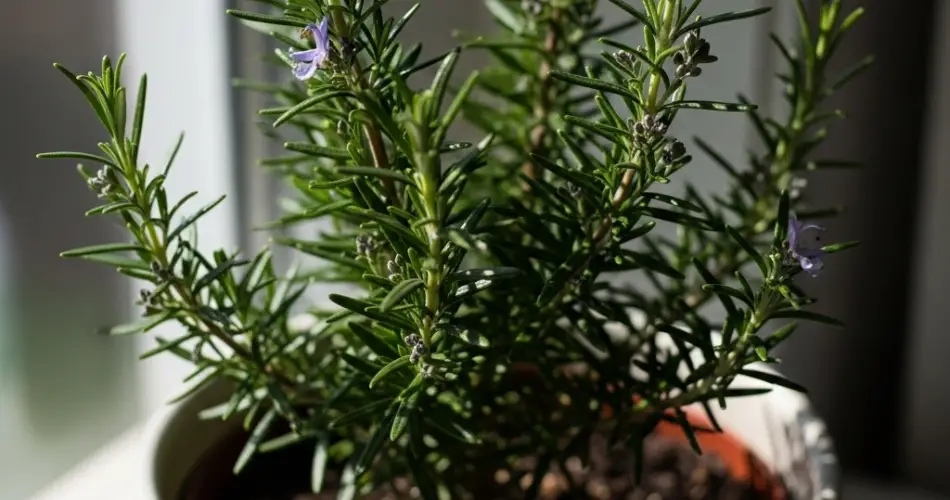
Ever looked at your rosemary plant and wondered, "How brave is this little herb? Can it handle my kitchen windowsill, a chilly morning, or the blazing sun?" You're not alone! Rosemary is tougher than its delicate lemony fragrance suggests, and getting to know its temperature preferences is seriously one of the most rewarding gardening adventures you can have.
The Cozy Comfort Zone of Rosemary
Here's the sweet spot: rosemary thrives between 55°F and 80°F (13°C–27°C). That's a pretty generous range for anyone to play with! Basically, if you enjoy that weather, your rosemary probably does too.
Beyond just surviving, rosemary lights up in warm, steady temperatures. It rocks the Mediterranean vibe, soaking up sunshine like it's on permanent vacation. The warmth fuels its aromatic oils, so the more comfortable it feels, the more flavorful it becomes.
Must Read
Pro tip: If you can keep your indoor rosemary in a room that hovers around 65–75°F, you'll be giving it a five-star experience. Think of it as tucking your herb into a little spa retreat. Your kitchen, throughout the year, becomes the most exciting destination for this Mediterranean traveler.
What Happens When It Gets Too Hot?
Rosemary can tolerate heat up to about 90°F (32°C), and in some cases even higher if it has access to moisture. That's impressive, right? But above that, things get a little sweaty for this herb.
Watch for telltale signs of heat stress: leaves may curl upward, turn grayish-white, or become brittle. If your rosemary starts looking sunburned, think about shading it during the hottest part of the day or moving it indoors temporarily. Fresh water also works wonders — rosemary may love warmth, but it still wants a proper drink.
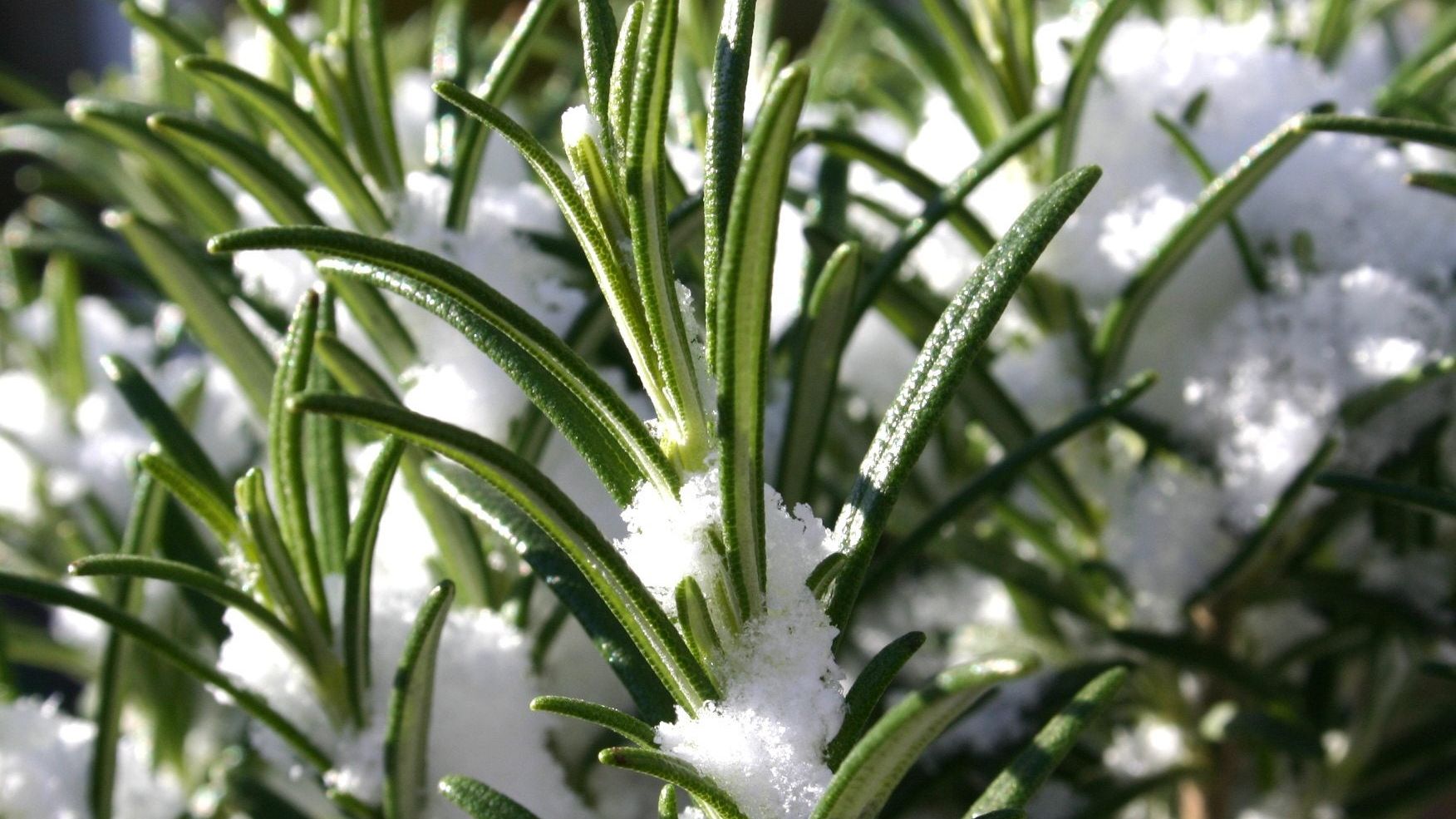 Winter Rosemary
Here's a fun aside — rosemary discovered the joy of being outdoors long before most of us did. It naturally grows along coastlines where salt air and warm breezes create a perfect microclimate. You can recreate that magic with just a few simple adjustments around your home.
The Chilly Side of Things
Now, what about the cold? Rosemary can survive temperature dips down to about 20°F to 30°F (−6°C to −1°C) depending on the variety. Not bad for a plant remembered mostly for summer roasts and roasted potatoes!
Look for hardier cultivars like 'Arp' or 'Miss Jessopp's Upright' if you live in cooler zones. These champions can withstand occasional frost and will bounce back with beautiful new growth in the spring. You're essentially picking the Iron Man of herbs — heroic, reliable, and a little bit dramatic under pressure.
That said, prolonged freezing weather is really rough on rosemary. If temperatures linger below 20°F, your plant may suffer lasting damage or simply say goodbye. Protect it with a layer of mulch around the base, tuck it against a south-facing wall, or cover it with a frost blanket when a cold snap hits.
 Does Rosemary Grow In Shade (And How To Care For It) - These Green Fingers
And here's a delightful thought — you don't need a green thumb or a Mediterranean estate to enjoy these little battles with temperature. Every small choice you make about light, warmth, and care teaches you something about how resilient living things really are. You start noticing patterns, and suddenly, everyday life feels a little richer.
Can Rosemary Handle Frost Indoors?
Indoors, rosemary has} no business being near a drafty, freezing windowpane. Keep pots away from open windows during winter, because that sudden cold blast can shock the plant right to its roots. Treat it as you would a pampered houseguest and it will thrive all year long.
A south or west-facing window is your best friend here. You'll notice rosemary leaning happily toward the light, practically begging to grow. And honestly, there's something incredibly charming about a plant that knows exactly what it wants.
Here's the good news: most home environments already fall within that happy temperature zone. You don't need fancy gadgets or expert knowledge — just a little awareness and the willingness to adjust as seasons change.
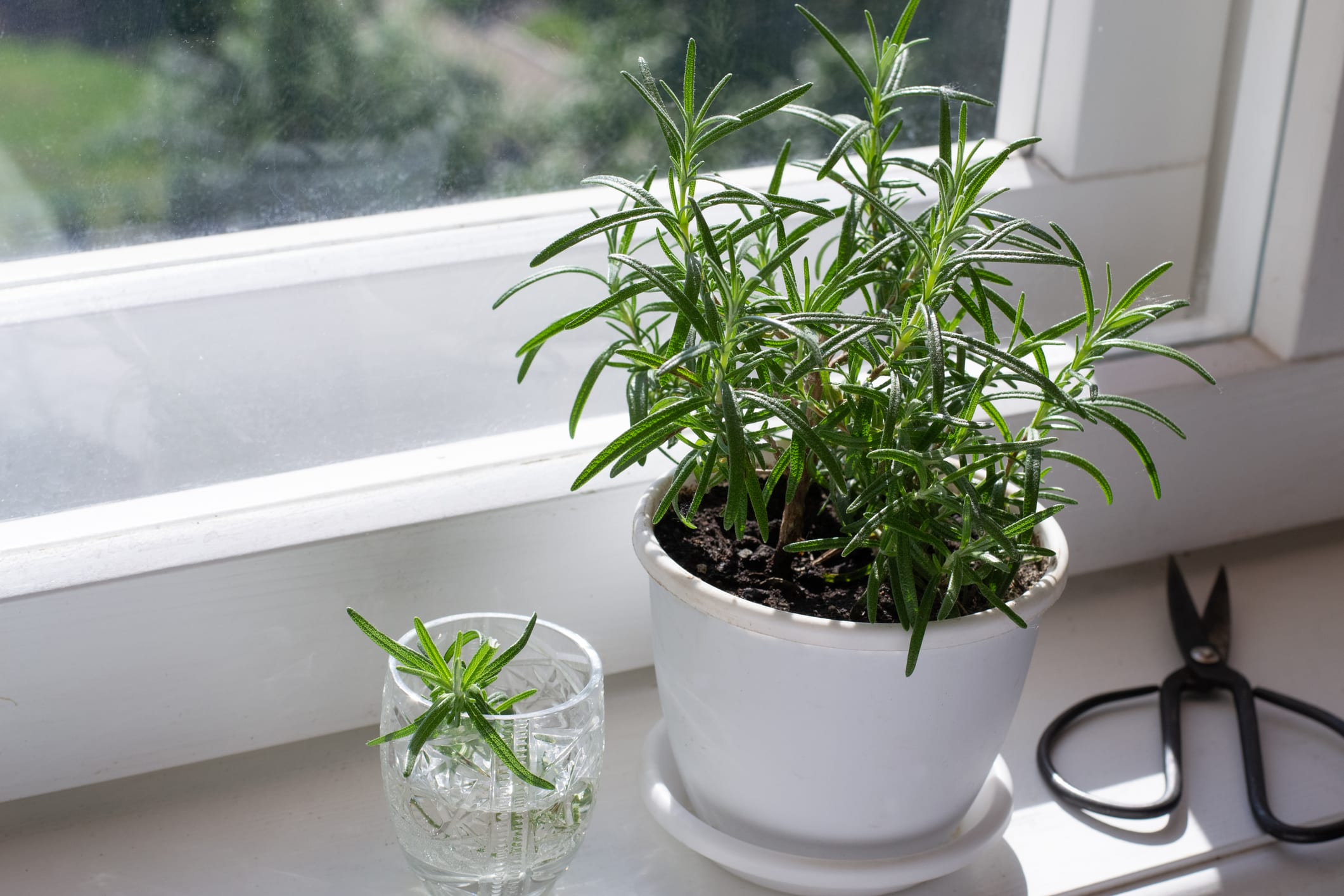 How To Grow Rosemary Indoors - Dengarden
Why Playful Temperature Management Matters
Getting the temperature right for rosemary flips gardening from a chore to a delight. Imagine stepping into your kitchen and being greeted by the bright, piney scent of a perfectly happy herb — it transforms every morning meal into something special. This is no longer a task; it's an ongoing conversation with nature right on your countertop.
Plus, for the plant parent or the culinary hobbyist, rosemary offers a gentle intro to understanding temperature's impact on flavor and vitality as living ingredients. You learn how something as simple as a few degrees can change everything. That's a lesson that ripples far beyond herb care and into how we think about the world around us.
Sharing what you've learned with friends makes it even better. You can confidently tell anyone, "Rosemary likes it between 55 and 80 degrees — here's exactly how I keep mine thriving." Suddenly, the awkward dinner-party question of "so what do you do?" has a wonderfully unexpected answer.
Remember, every thriving plant starts with one small curiosity — just like this article. You've just scratched the surface of herb temperature science, and there's a whole garden of knowledge waiting for you. Step outside, feel the breeze, and go explore what these fascinating little plants can teach you next!
