What Temp To Cook Homemade Pizza In Oven

There’s something undeniably joyful about pulling a perfectly browned pizza out of your own oven, and knowing the right temperature makes that joy even more rewarding. Whether...
There’s something undeniably joyful about pulling a perfectly browned pizza out of your own oven, and knowing the right temperature makes that joy even more rewarding. Whether you’re a seasoned home chef or a casual weekend baker, mastering the heat level turns ordinary dough into a crispy, melt‑in‑your‑mouth masterpiece. This guide explains why temperature matters, how to dial it in, and the simple advantages you’ll enjoy: faster cooking, better texture, and a kitchen that smells like a pizzeria. Let’s fire up that oven together and discover the sweet spot for your homemade pizza.
Temperature is the secret handshake between your dough and the oven; too low and the crust will stay pale and chewy, too high and you risk scorching the toppings before the cheese even bubbles. Most home ovens top out around 500°F (260°C), which is the sweet zone for the classic New‑York style pizza. If you own a high‑heat convection oven, you can safely crank it to 550°F (290°C) for an extra crunch, but always check the manufacturer’s guidance. The key is to give the oven ample time to reach that number before you slide in the pizza, because a consistent, pre‑heated environment ensures the heat penetrates the crust evenly, creating that coveted balance of crisp outside and tender inside.
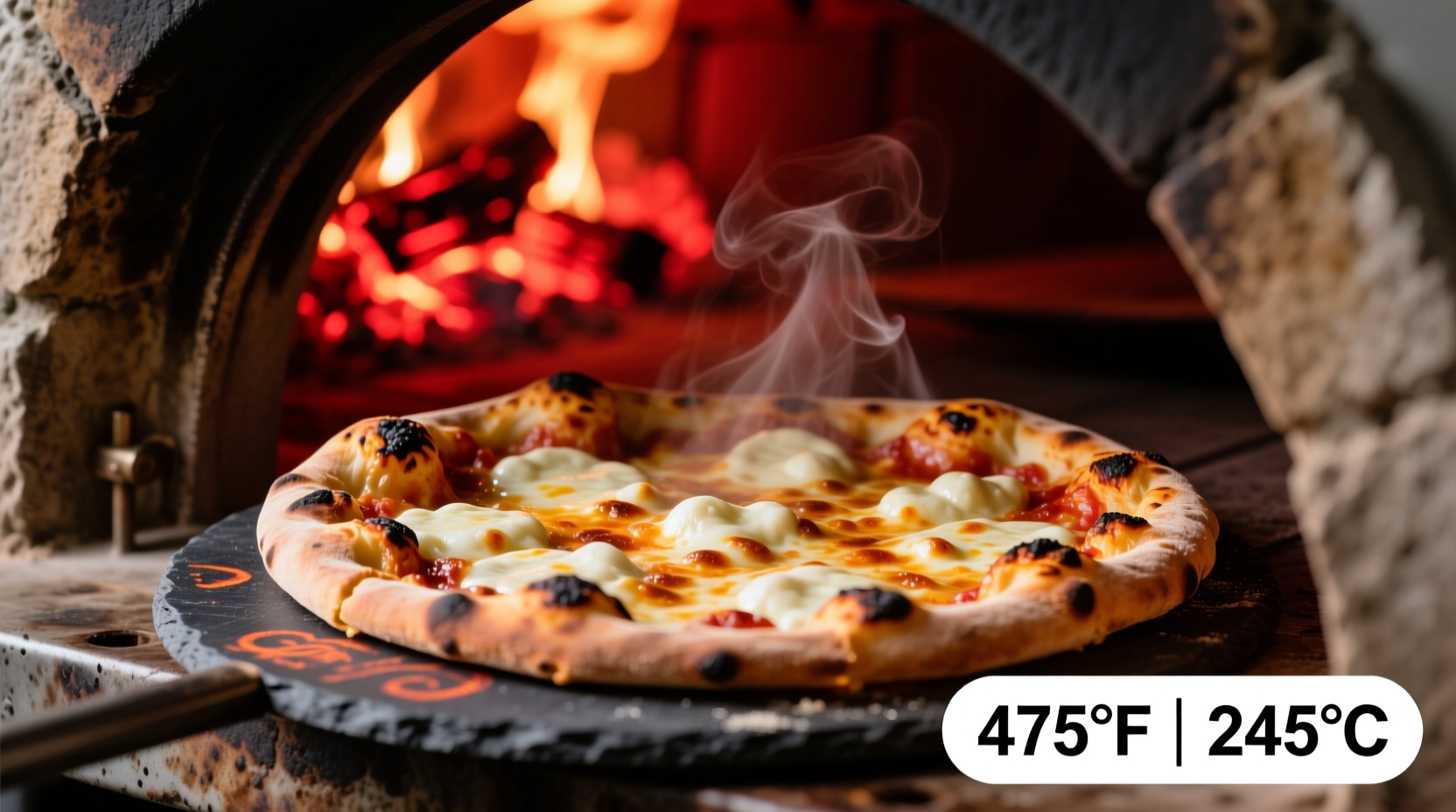
Think about the variety you can make: a thin‑crust Margherita wants a quick, fierce blast, while a pan‑baked stuffed‑crust needs a gentler, longer bake. For a thin crust, set the oven to 500 °F (260 °C) and bake for 8‑10 minutes; the high heat will puff the edges quickly and keep the center light. A deep‑dish or thick crust benefits from a lower 425 °F (218 °C) setting, giving the interior time to cook through without burning the cheese. Frozen homemade pizzas, which already have a moisture barrier, work best at 475 °F (246 °C) for about 12 minutes, ensuring the toppings heat evenly. By matching the temperature to the style, you’ll each time achieve that perfect balance of texture and flavor.
Must Read
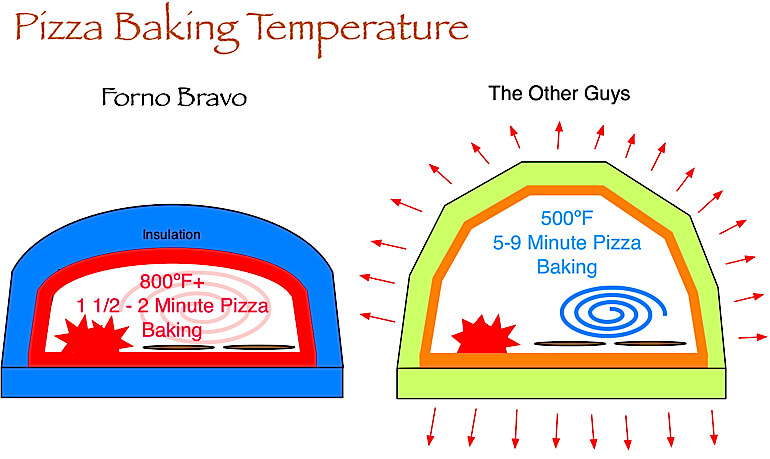
Want to flirt with restaurant‑grade results? Try a baking stone or steel placed on the lowest rack. The stone absorbs and radiates heat, mimicking a brick oven’s intense thermal mass. Pre‑heat it for at least 45 minutes at 550 °F (290 °C); once it’s screaming hot, slide the pizza onto the stone and bake for just 4‑6 minutes. The rapid transfer of heat creates a blistered crust and caramelized cheese that’s impossible to achieve on a flat sheet. If you don’t have a stone, a high‑heat broiler method works too: bake the pizza on the middle rack at 500 °F (260 °C) for 5 minutes, then switch to the broiler for the final minute, watching closely as the surface puffs and browns.
 Best Pizza Oven Temperature | Cru Ovens
A few practical shortcuts will keep you on track every time you bake. First, always pre‑heat the oven for at least 30 minutes; a quick burst of heat is never enough. Keep an oven thermometer inside, because many home ovens run 25‑50 °F warmer than their dial suggests. Position the pizza on the middle or lower rack for the best balance of top‑browning and bottom‑crispiness. If you’re using a stone, slide a sheet of parchment under the dough before transferring it onto the hot surface—this prevents sticking while still allowing the crust to crisp. Finally, rotate the pizza halfway through the bake; ovens often have hot spots, and a turn ensures every slice gets the same golden glow.
Now that you know the magic numbers and the little tricks that shrink the gap between your kitchen and the pizzeria down the block, you’re ready to embark on countless flavor adventures. Experiment with different temperatures for each dough type, try a stone for a crispier crust, and don’t forget to document what works—who knows, you might invent a new signature style that gets raves at the next family dinner. The joy of homemade pizza lies in the alchemy of heat, dough, and imagination, so crank up that oven, slide in your creation, and savor the golden bubbles of success. Remember, every oven is unique, so take a moment to note the sweet spot for your model, and soon you’ll be pulling out perfectly blistered pizzas that disappear within minutes. Soon the whole kitchen will be buzzing.