What Temp Should You Cook Pork

Let’s be real for a second: the whole “pork temperature” thing has given home cooks more anxiety than a surprise visit from your in-laws. For decades, we were told to cook the...

Let’s be real for a second: the whole “pork temperature” thing has given home cooks more anxiety than a surprise visit from your in-laws. For decades, we were told to cook the living daylights out of it—until it resembled a dry, flavorless hockey puck—because we were terrified of trichinosis. Well, grab a seat and pour yourself a glass of something bubbly, because the rules have changed. The new pork is juicy, pink, and—dare I say—downright sexy.
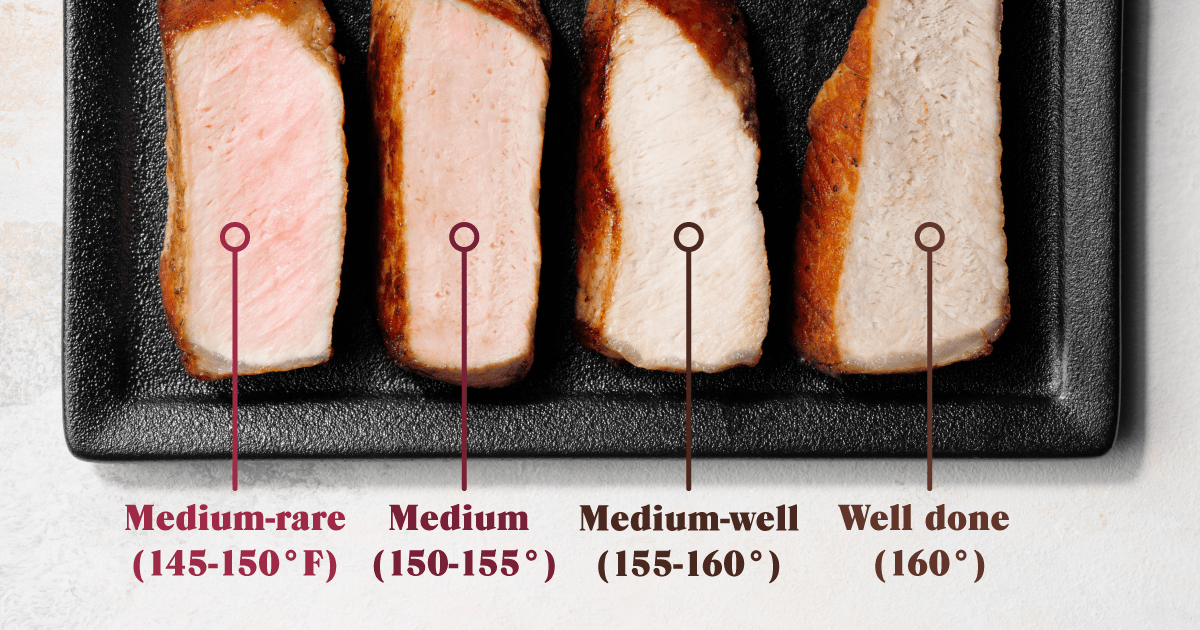
So, what temp should you actually cook pork to? The short, happy answer is 145°F (63°C). That’s it. That’s the magic number. The USDA officially lowered the safe cooking temperature for whole cuts of pork—like chops, roasts, and tenderloins—back in 2011, and it was the best thing to happen to dinner since someone invented bacon. (Okay, bacon was already perfect, but you get the point.) At 145°F, your pork will be safe to eat and still have a gorgeous, blush-pink center. No more sawdust textures. No more silent tears over a dry Sunday roast.
“But wait!” I hear you shout through the screen. “Doesn’t pink mean it’s raw?” My friend, that’s a myth we need to bury, preferably under a pile of caramelized onions. The pink you see in properly cooked pork is natural. It’s caused by myoglobin, a protein in the meat, not by blood. Think of it as the pork’s version of a healthy glow. As long as you’ve hit 145°F, you’re golden—and pink in all the right ways. For ground pork, though, we have to be a little stricter: 160°F (71°C) is the goal there, because grinding can spread bacteria throughout the meat. Treat ground pork like you treat ground beef—safety first, juiciness second.
Must Read
Now, here’s the pro tip your butcher won’t tell you: carryover cooking. When you pull that beautiful pork chop off the heat at 145°F, its internal temperature will keep climbing another 5 to 10 degrees while it rests. So if you want a perfect medium, pull it off at 140°F and let the residual heat do its thing. Let the meat rest for at least three minutes before slicing. I know, waiting is hard—it’s like staring at a wrapped Christmas present—but trust me, those three minutes are when all the juices reabsorb and become magic. Slice too soon, and you’ll have a puddle of flavor on your cutting board. Puddles are for rain, not pork.
 How to Cook Roast Pork Loin: Tips for Perfect Cooking Times
What about slow-cooked pork, like pulled pork for tacos or barbecue? That’s a totally different beast. For tough cuts like shoulder or butt, you want to go low and slow until the internal temp hits 195°F to 205°F. Why so high? Because at that temperature, all the collagen and connective tissue melt into pure, gelatinous bliss. It’s not about being “safe” anymore—it’s about achieving a state of nirvana that you can shred with a fork. So remember: 145°F for tender and juicy, 160°F for ground, 200°F for pulled. That’s your new pork mantra. Say it with me: “One-four-five, one-six-oh, two-oh-oh.” It sounds like a country song, and frankly, it should be one.
Here’s the bottom line: You are allowed to enjoy pork that’s not dried out. You have permission to cook it to a gorgeous, warm pink. So grab your meat thermometer—yes, the digital one with the instant read, not the one that’s been in your drawer since 1998—and waltz into your kitchen with confidence. Your pork will be succulent, your family will applaud, and you’ll finally stop apologizing for the “pork chips” you used to serve. Life is too short for tough meat. Cook it to 145°F, give it a rest, and take a bow. You’ve got this.