What Temp Should I Bake Lasagna

There is almost nothing more comforting than pulling a bubbling, golden-brown lasagna out of the oven. The aroma of rich tomato sauce, melted cheese, and seasoned meat fills t...
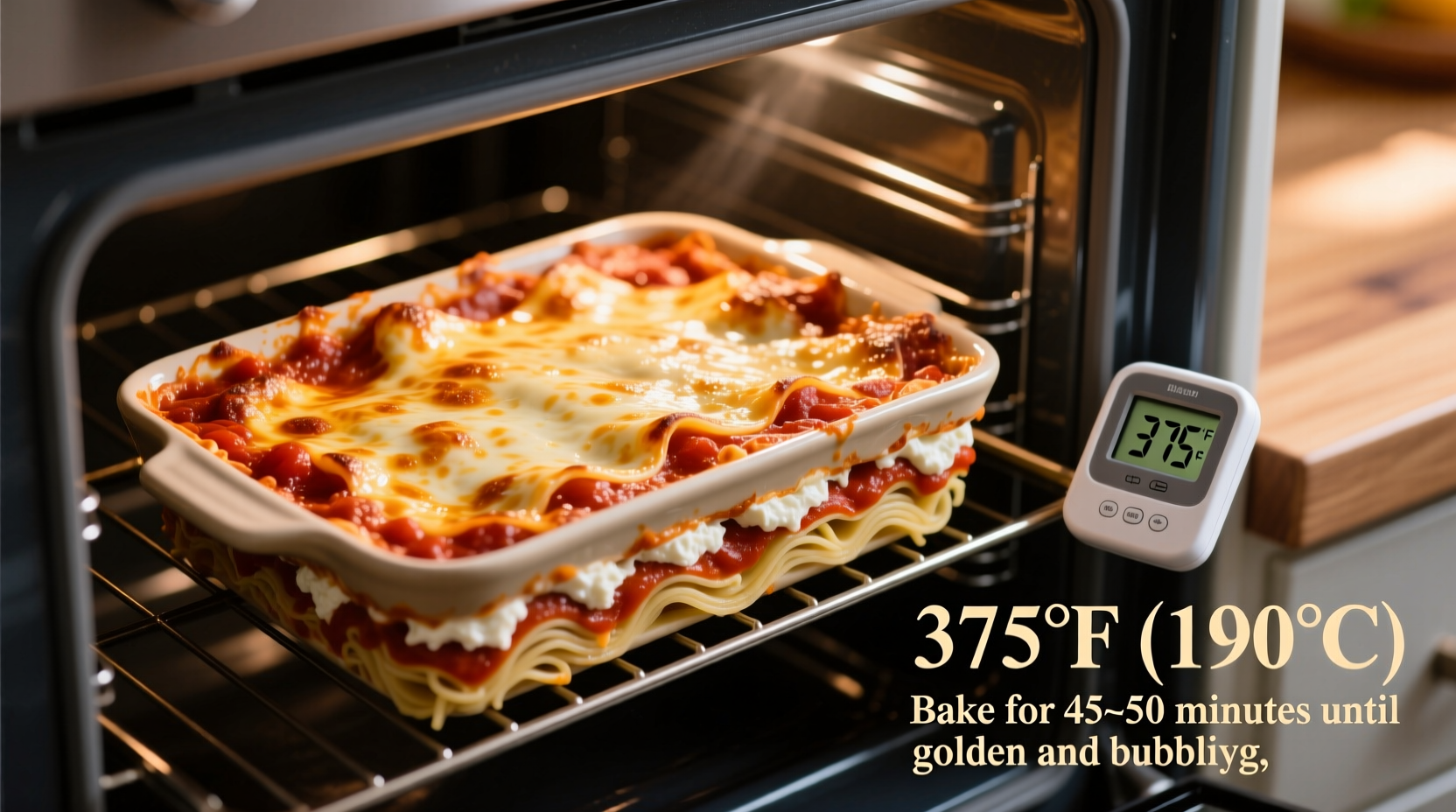
There is almost nothing more comforting than pulling a bubbling, golden-brown lasagna out of the oven. The aroma of rich tomato sauce, melted cheese, and seasoned meat fills the kitchen, promising a meal that brings family and friends together. Whether it is a Sunday dinner centerpiece or a make-ahead weeknight savior, a perfectly baked lasagna is a triumph of home cooking. Its key purpose is to deliver a harmonious blend of textures—tender pasta, creamy béchamel or ricotta, and a savory filling—all united by heat. The benefit for everyday life is immense: a single dish can feed a crowd, freeze beautifully for future cravings, and taste even better as leftovers. But achieving that ideal result hinges on one critical question: what temp should I bake lasagna? The answer determines whether you get a soggy mess or a slice that holds its shape with pride.
The industry standard for baked pasta dishes, and the temperature most trusted by home cooks, is 375°F (190°C). This moderate heat is the sweet spot for lasagna because it provides a balanced cooking environment. At 375°F, the oven is hot enough to melt mozzarella and Parmesan into a luscious, bubbly layer, yet gentle enough to fully cook the noodles without burning the edges. For a classic recipe using no-boil noodles, this temperature ensures the pasta absorbs just enough moisture from the sauce to become tender, not mushy. For traditional boiled noodles, it gently warms the entire dish through, allowing the flavors of the ragù, bechamel, and cheese to meld into a cohesive whole. If you are short on time and want a quicker dinner, you might be tempted to crank the heat to 400°F, but this risks a burnt top while the center remains cold—a common disappointment.
However, temperature is only part of the equation; covered versus uncovered baking makes the real difference. For the first 30 to 40 minutes, you should always bake your lasagna covered with aluminum foil. This traps steam, which gently cooks the interior and prevents the cheese from scorching. After this covered period, remove the foil to let the top brown and crisp for the final 10 to 15 minutes. This two-stage approach is why 375°F works so well: it gives you enough time under foil to cook everything through, and enough residual heat afterward to create that irresistible golden crust. For example, if you are reheating a frozen lasagna, keep it covered at 375°F for about 50 minutes, then uncover for the last 10 minutes—the result will be as good as freshly made.
Must Read
What if your recipe calls for a different temperature? Some traditional Italian recipes, especially those with a béchamel-based sauce and fresh pasta, bake at 350°F (175°C) for a longer period. This lower temperature is ideal when you want an even, gentle heat that won’t curdle dairy-based sauces. For a deep-dish lasagna packed with ricotta, spinach, and thick noodles, 350°F ensures the center heats through without the edges drying out. Conversely, if you use a lot of watery vegetables like zucchini or mushrooms, bumping the heat to 400°F (200°C) for the final uncovered stage can help evaporate excess moisture. The key is knowing your ingredients: a lean lasagna with dry cottage cheese and precooked meat can handle 375°F, while a creamy, cheese-heavy version thrives at 350°F for a slow, luxurious bake.
Your choice of baking dish also influences the ideal temperature. A metal pan conducts heat faster than glass or ceramic, so you may need to lower the temperature by 25°F (about 15°C) to avoid burning the bottom. For instance, if you use a shiny aluminum pan, bake at 375°F; if you use a dark nonstick or glass dish, reduce to 350°F to compensate for radiant heat. Always place the lasagna on the center rack of your oven to ensure even heat circulation. A common mistake is placing it too high, which burns the cheese, or too low, which dries out the bottom layers. One simple test: after the covered bake, insert a knife into the center—if it comes out hot to the touch, you are ready to uncover.
 Quel est le temps de cuisson des lasagnes
For readers eager to explore on their own, start with a reliable recipe and make notes. Many cooks find success with a method called “bake and rest.” After baking at 375°F (covered for 30 minutes, uncovered for 10), let the lasagna rest on the counter for at least 10 to 15 minutes before slicing. This rest is non-negotiable: it allows the layers to set, preventing a runny mess on your plate. For a futuristic twist, experiment with a two-step bake: assemble the lasagna a day ahead, refrigerate it, then bake from cold. You will need to add 10 to 15 minutes to the covered stage, but the flavor intensifies beautifully.
In the end, the perfect lasagna temperature is not a rigid rule but a guideline that adapts to your ingredients, dish, and schedule. Whether you choose 350°F for a creamy, slow-cooked masterpiece or 375°F for a crowd-pleasing weeknight dinner, the core principles remain: cover to steam, uncover to brown, and always let it rest. These simple habits transform a humble casserole into a dish that feels like a warm embrace. So preheat your oven with confidence, knowing that the temperature you pick is just the beginning—the real magic happens when the layers of your labor come together in a glorious, bubbling symphony.
