What Temp Should Halibut Be Cooked To

Understanding the ideal cooking temperature for halibut can transform a simple dinner into a culinary experience. Halibut is prized for its firm texture and mild, buttery flav...

Understanding the ideal cooking temperature for halibut can transform a simple dinner into a culinary experience. Halibut is prized for its firm texture and mild, buttery flavor that pairs well with citrus, herbs, and spices. Many home cooks shy away from cooking fish because they fear over‑cooking or under‑cooking, but knowing the precise temperature removes that uncertainty. By learning the right heat, you can prepare halibut that stays moist, tender, and safe to eat, making it a go‑to protein for busy weeknights and special occasions alike. Whether you are grilling on a summer patio or baking in a winter kitchen, temperature control matters.
The primary goal of cooking halibut to the correct temperature is to achieve a balance between food safety and optimal flavor. In culinary terms, fish should reach an internal temperature of 145°F (63°C) to eliminate harmful bacteria, a standard recommended by the USDA. However, halibut’s dense flesh can become dry if taken all the way to that mark. Many chefs opt for a slightly lower target of 135°F (57°C) to preserve juiciness while still killing pathogens. Understanding these nuances ensures you serve a dish that is both healthy and delicious. Always use a reliable instant‑read thermometer for the most accurate results.
Incorporating perfectly cooked halibut into your regular meals offers several practical benefits. First, a properly heated fish retains its omega‑3 fatty acids, which support heart health and brain function, without sacrificing texture. Second, knowing the exact temperature allows you to plan cooking times with confidence, reducing the need for constant checking and preventing the common dread of an over‑done fillet that falls apart on the plate. Finally, consistent results encourage you to experiment with marinades, sauces, and side dishes, turning a simple weeknight dinner into a delightfully varied culinary routine. It also reduces food waste because you lessen the chance of drying out leftovers.
Must Read
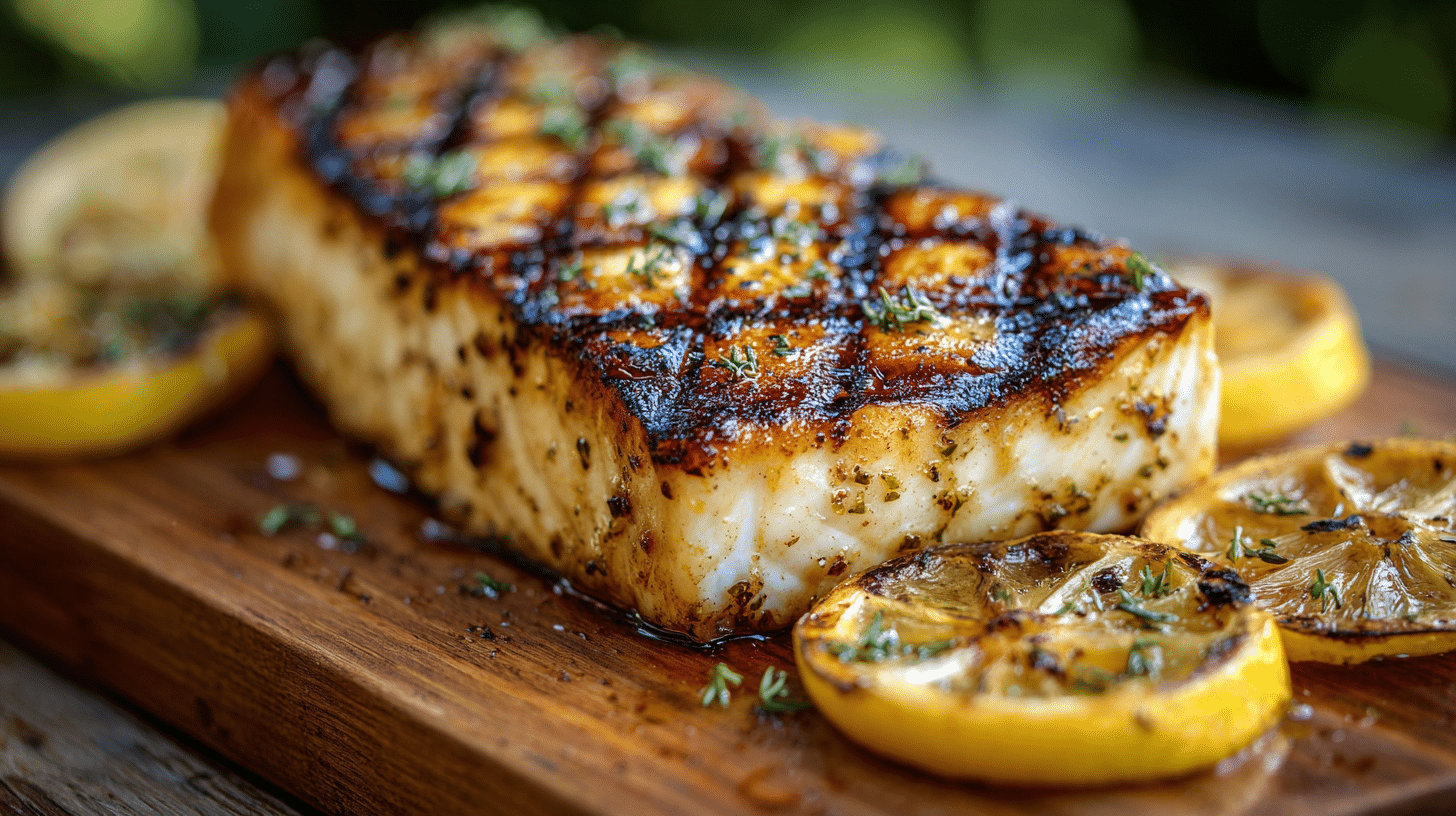
Imagine a Saturday afternoon when you decide to grill halibut on a barbecue. You season the fillets with olive oil, lemon zest, and pepper, then place them skin‑side down on a preheated grill set to medium‑high heat. After four minutes you flip the fish and insert a probe thermometer, noting the reading climbs toward 130°F. At that point, you remove the halibut, let it rest for a minute, and serve it with salsa verde. The result is a golden crust, a tender interior, and a smoky aroma that makes every bite memorable. Your family will enjoy the preparation and flavor.
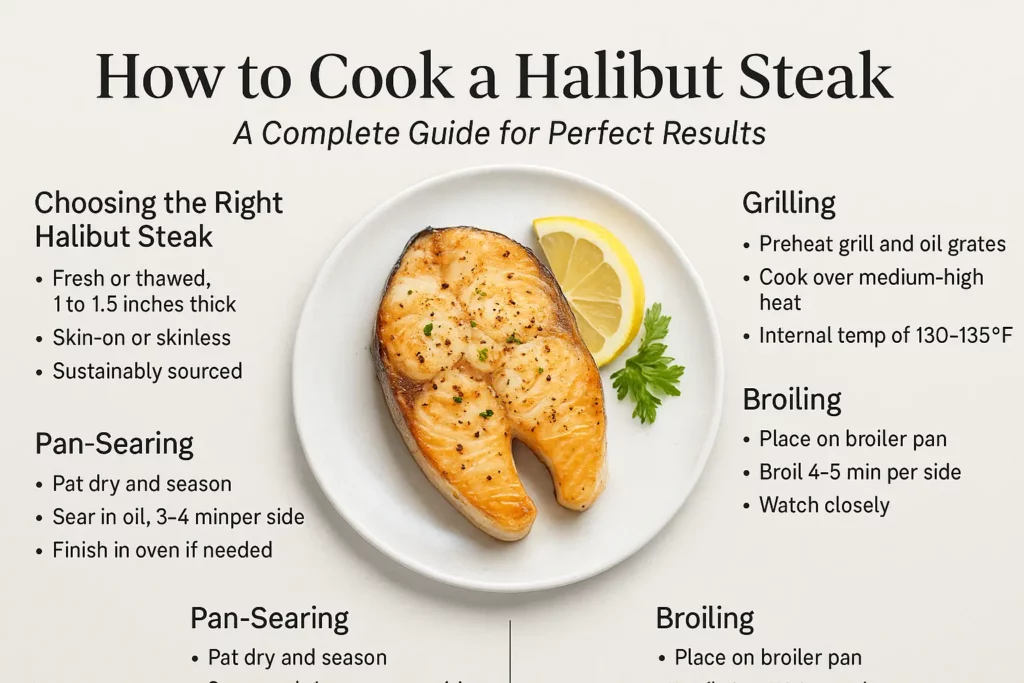 How to Cook a Halibut Steak: A Complete Guide for Perfect
To master halibut temperature at home, try these simple tips. First, invest in an instant‑read thermometer; it eliminates guesswork and gives you confidence with each cook. Second, preheat your pan or grill to a temperature before adding the fish, as sudden heat changes can cause uneven cooking. Third, start pulling the halibut off the heat when it reaches 125°F and let the residual heat bring it to the final target of 135°F during the rest period. Finally, write down the time and temperature for each attempt—your own notes will become a reference. Practice with marinades to discover what temperature feels best for you.
Now that you understand the ideal temperature range for halibut, you can approach every recipe with curiosity. Whether you prefer a moist medium‑rare fillet or a fully cooked, flaky piece, knowing the heat empowers you to make that choice intentionally. Use the knowledge as a springboard to experiment with different cooking methods—pan‑searing, roasting, or poaching—and observe how each technique interacts with temperature. With practice, your halibut dishes will become a source of nutrition, taste, and satisfaction, inspiring you to share the joy of cooked fish with friends and family. Your friends will ask for your temperature tip for dinner.