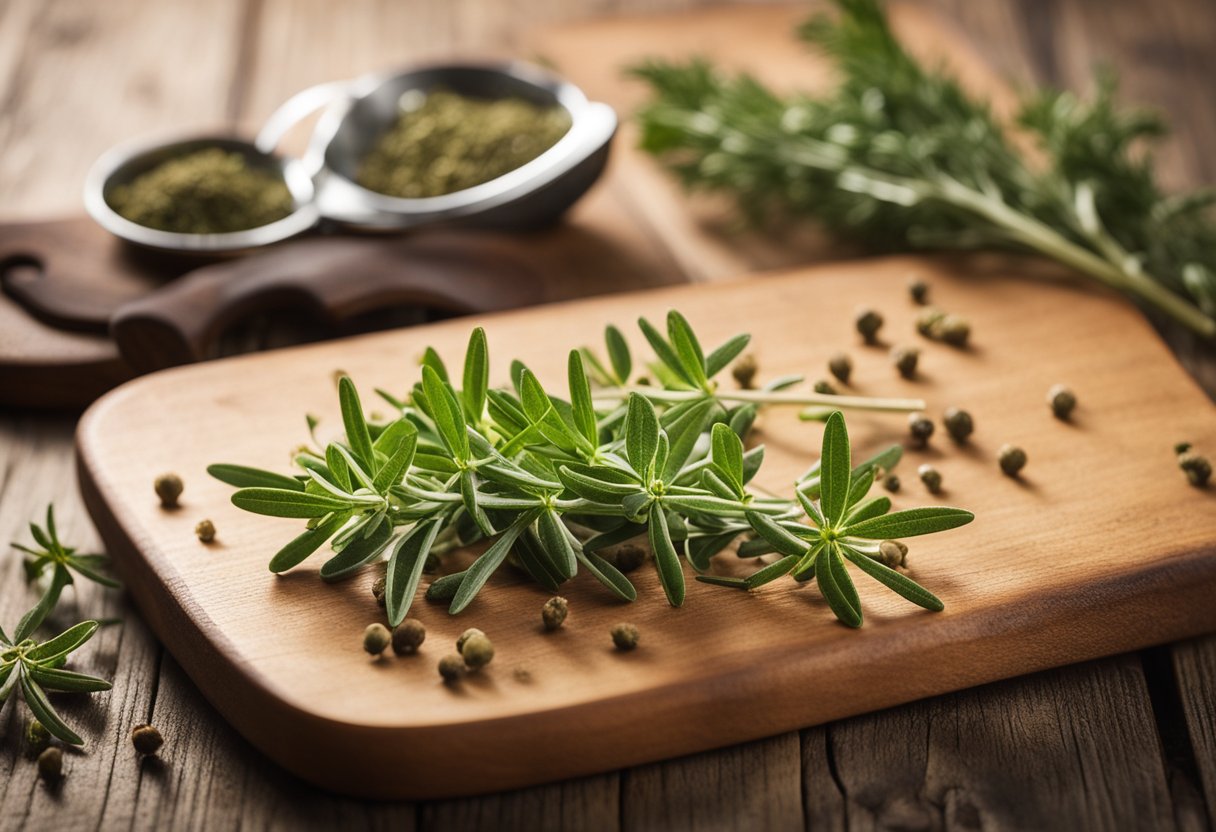
What Spice Is Similar To Thyme

Picture this: you’re in the kitchen, apron on, feeling like a culinary genius, and you reach for the thyme. But wait—the jar is empty. A tiny herb-sized tragedy. Before you sp...
Picture this: you’re in the kitchen, apron on, feeling like a culinary genius, and you reach for the thyme. But wait—the jar is empty. A tiny herb-sized tragedy. Before you spiral into a full-blown dinner crisis, take a breath. I’ve got your back. Today, we’re diving into the delicious world of thyme doppelgängers, and the answer to “What spice is similar to thyme?” might already be in your spice rack, waiting for its moment to shine.
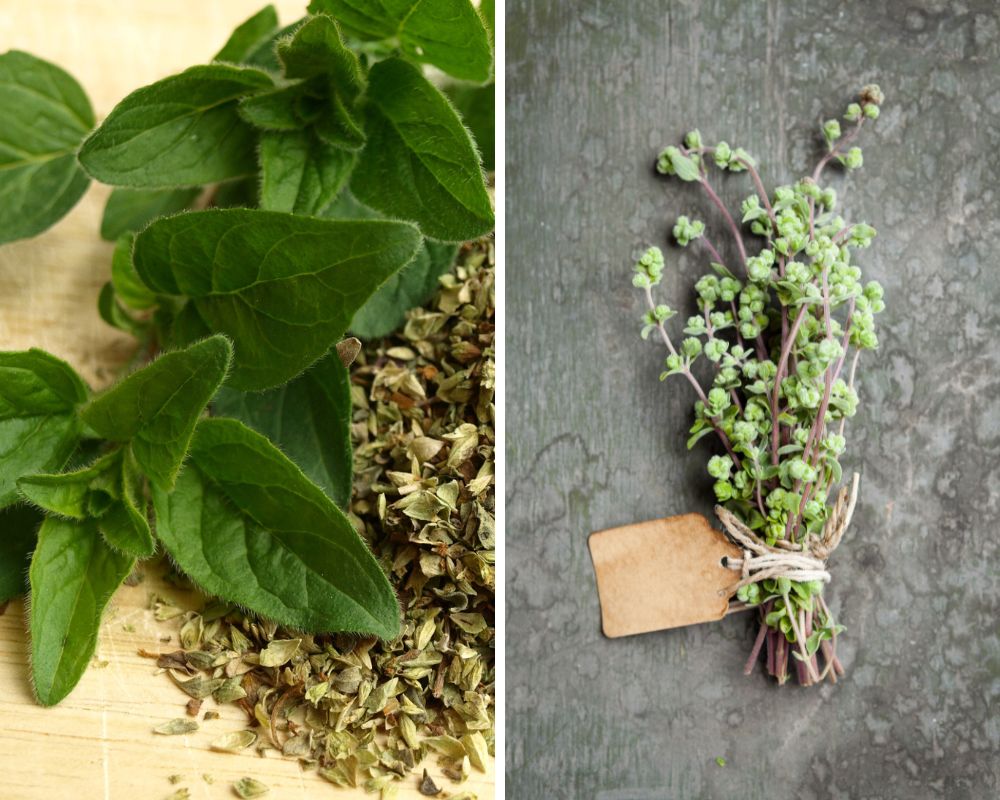
The reigning champion, my friend, is marjoram. Think of marjoram as thyme’s sweeter, slightly more floral cousin who shows up to family reunions with a charming smile and a hint of pine. Where thyme is bold, earthy, and a little bit peppery—like that friend who always speaks their mind—marjoram is gentler, with subtle notes of citrus and balsam. They’re from the same botanical family (the mint family, actually—who knew herbs could be so dramatic?), so swapping them is almost like swapping identical twins... if one twin was a bit more chill. Use marjoram in a 1:1 ratio when you’re out of thyme, and your stews, roasted veggies, or herbes de Provence blends will hardly notice the switch. Pro tip: crush it in your palm before adding to release its magic—yes, I’m serious, it’s like giving the herb a little pep talk.
But what if marjoram is also M.I.A.? Fret not—there’s a whole squad of stand-ins. Oregano is the bold, loud cousin who shows up uninvited but makes the party better. It’s stronger and more pungent, so use half the amount you’d use for thyme. Too much oregano, and your dish might start yelling at you in Italian. Savory (summer or winter) is another fantastic option—it’s got that peppery kick and a hint of mint, making it a perfect pinch-hitter for poultry or bean dishes. Think of savory as the multitasker of the herb world: it does a bit of everything without stealing the show.
Must Read
For a wildcard, consider tarragon. Yes, it’s anise-like and a little licorice-y—which sounds weird, I know—but in small doses, it mimics thyme’s subtle complexity in cream sauces or fish. It’s like wearing a slightly different shade of the same color; only true connoisseurs will notice. And if you’re really scraping the bottom of the barrel, dried basil can work in a pinch, especially in tomato-based dishes. Just remember: dried herbs are generally more potent than fresh, so a little goes a long way. Start with half a teaspoon and taste, taste, taste—unless you’re aiming for “Herb Explosion: The Dinner Sequel,” which, to be fair, sounds like a blockbuster.
:max_bytes(150000):strip_icc()/herb-substitutions-in-cooking-18076911-5c001c4e46e0fb00260c90d8.png) What Is Thyme?
What Is Thyme?
Now, here’s the fun part: don’t be afraid to blend. Mix a pinch of oregano with a pinch of rosemary, and suddenly you’ve got a thyme-like vibe without the actual thyme. It’s like making a mixtape for your dinner—you might even discover a new favorite. Experimenting is half the joy of cooking, and honestly, thyme isn’t the boss of you. You’re the boss of thyme. (I’ll wait while you roll your eyes at that pun.)
So, next time you hit that empty jar, don’t panic. Reach for marjoram, or savory, or even that shy tarragon hiding in the back. Your dish will be okay—better than okay, because you’ve just shown that kitchen creativity trumps perfection every time. Remember, the best meals aren’t about having every exact ingredient; they’re about the love and cleverness you stir in. You’ve got this. Now go make something delicious, and if anyone asks, tell them it’s a “thyme warp.” They’ll either laugh or look confused, but either way, you’re winning.