What Species Is A Spanish Fly

So, there I was, scrolling through the internet, you know, just casually browsing through the weird and wonderful world of nature. I stumbled upon this little critter that loo...
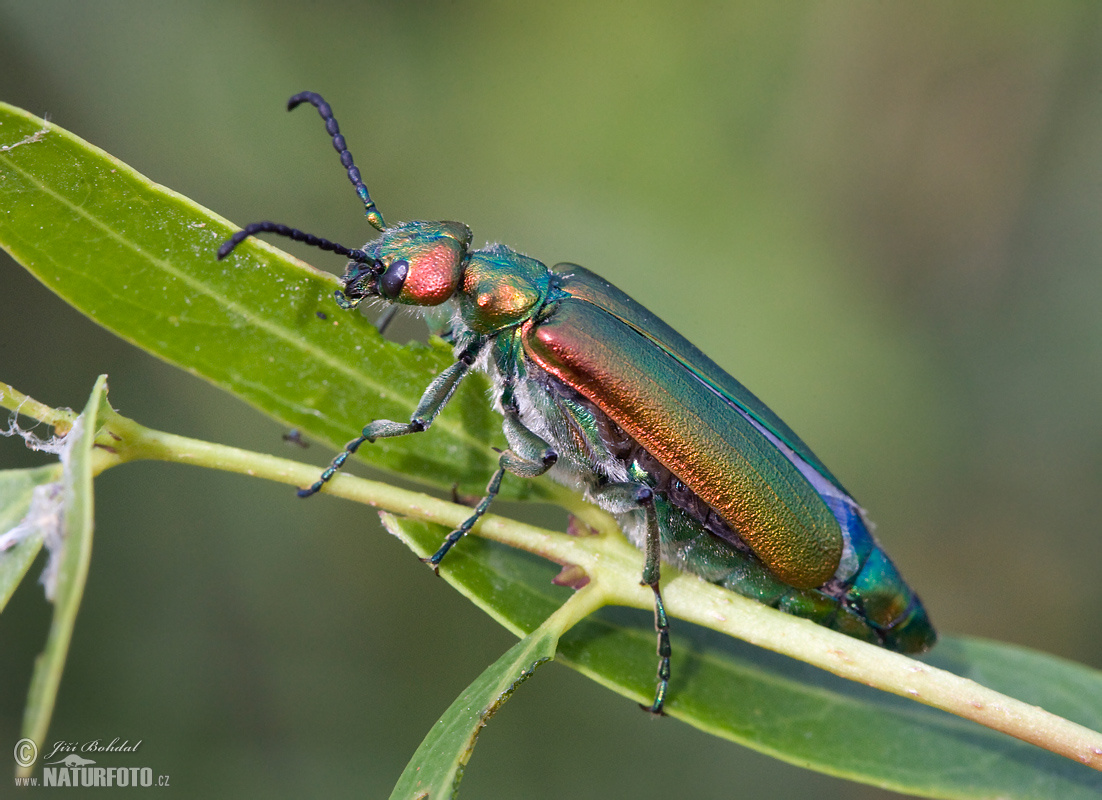
So, there I was, scrolling through the internet, you know, just casually browsing through the weird and wonderful world of nature. I stumbled upon this little critter that looked like a tiny, winged beetle. I thought to myself, "Hmm, that looks interesting." Little did I know, I was about to dive into the world of the Spanish Fly. Now, before you start thinking I'm talking about some fancy dance move or a newfangled cocktail, let me set the record straight. We're talking about a real, live insect here.
Meet the Spanish Fly
Alright, so the Spanish Fly, or Lytta vesicatoria to give it its Sunday best name, is a type of blister beetle. Now, I know what you're thinking. "Blister beetle? That doesn't sound very friendly." And you're right, these little guys aren't exactly known for their cuddly nature. But stick around, because there's more to them than meets the eye.
You see, the Spanish Fly isn't your average beetle. It's got a secret weapon, or rather, a secret substance. It's called cantharidin, and it's a pretty powerful little chemical. It's found in the Spanish Fly's hemolymph, which is like the beetle's blood. But here's where it gets interesting. Cantharidin has some... unique properties. It's a blistering agent, which means it can cause skin blisters. But it's also been used in some pretty unusual ways throughout history.
Must Read
From Ancient Remedy to Love Potion
Let's take a little trip back in time, shall we? The ancient Greeks and Romans were well aware of the Spanish Fly's unique properties. They used it as a remedy for all sorts of ailments, from skin conditions to, ahem, more intimate health issues. But it wasn't just the ancients who were interested in this beetle. Oh no, the Spanish Fly's fame spread far and wide, all the way to the Middle Ages.
Now, here's where things get a bit... spicy. The Spanish Fly started to gain a reputation as a sort of love potion. You see, cantharidin can have some interesting effects on the, ahem, male anatomy. It can cause swelling and irritation, which, in some cultures, was seen as a sign of increased... virility. And so, the Spanish Fly became a symbol of, let's say, amorous intentions.
But here's the thing, folks. While the Spanish Fly might have been a symbol of love in some cultures, it's important to remember that cantharidin is a powerful and potentially dangerous substance. Ingesting it can cause serious health issues, from vomiting and diarrhea to kidney damage and even death. So, while the Spanish Fly might have a romantic reputation, it's definitely not something to mess around with.
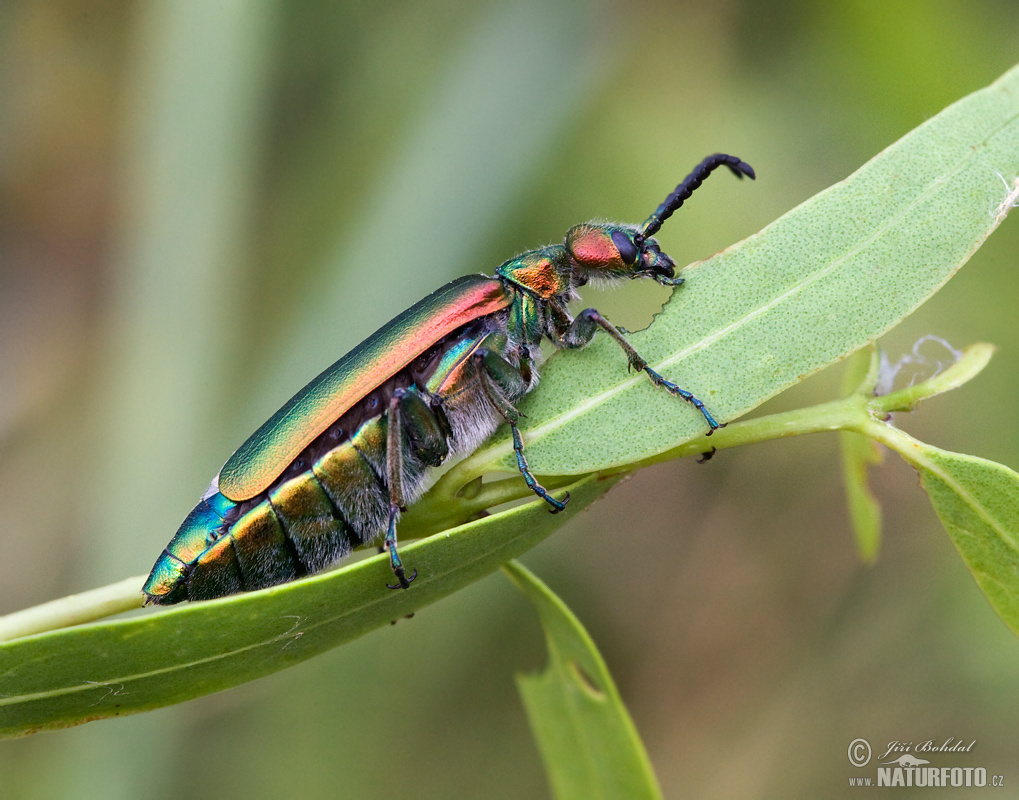 Spanish fly Photos, Spanish fly Images, Nature Wildlife Pictures
Spanish Fly in the Modern World
So, you might be wondering, is the Spanish Fly still around today? Well, yes and no. You won't find it being sold as a love potion in your local pharmacy (at least, I hope not!). But that doesn't mean it's been completely forgotten. Some people still use cantharidin for certain medical purposes, under the supervision of a healthcare professional, of course. And in the world of entomology, the Spanish Fly is still a fascinating subject of study.
But here's where things get a bit sad. The Spanish Fly is actually quite rare these days. Its populations have declined due to habitat loss and other factors. So, while it might have a colorful history, the Spanish Fly is also a species that needs our protection.
So, What's the Verdict?
Well, folks, the Spanish Fly is certainly an interesting creature. It's got a history that's as colorful as its beetle behind. But it's also a reminder that even the most unusual creatures deserve our respect and protection. So, the next time you're scrolling through the internet, and you come across a little beetle that looks like it's got a secret, remember the Spanish Fly. It's a fascinating creature with a fascinating history, and it's a reminder that the natural world is full of surprises.
And there you have it, folks. The Spanish Fly, in all its blistering glory. I hope you've enjoyed this little journey into the world of this unusual beetle. Until next time, keep exploring!
