What Should Your Sourdough Starter Look Like

So you've decided to get into sourdough baking. Congratulations — you've apparently woken up from a baking coma and decided that regular bread just isn't complicated enough fo...
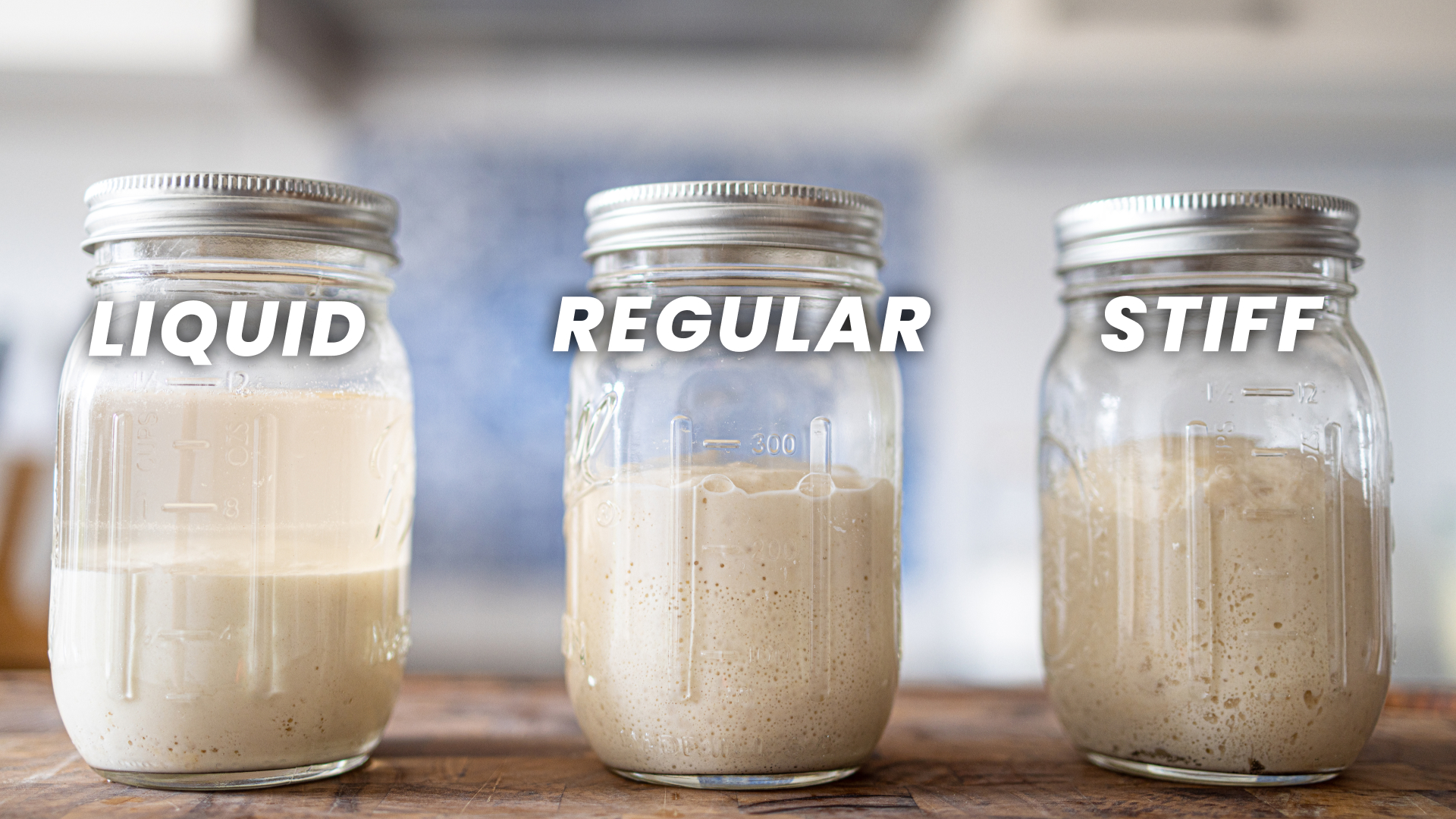
So you've decided to get into sourdough baking. Congratulations — you've apparently woken up from a baking coma and decided that regular bread just isn't complicated enough for your taste buds. Now you're staring at a jar of bubbles in your kitchen wondering if you've successfully grown a tiny living pet or accidentally summoned a science experiment gone rogue.
Fear not, brave baker. Your sourdough starter is supposed to look weird, and if it doesn't, you're probably doing something wrong. Let's break down what you should actually be looking at before you panic and throw your jar into the nearest dumpster.
The Texture: Like a Gooey, Bubbly Pancake Batter
When your starter is active and healthy, it should have a texture somewhere between thick pancake batter and melted mozzarella. It's stretchy, it's gooey, and if you drag a spoon through it, it should hold its shape for a moment before slowly oozing back together. If it looks like water, congratulations — you've just made a sad flour puddle and need to feed it more flour.
Must Read
A mature starter typically looks smooth and slightly elastic, almost like it's practicing its own yoga poses in the jar. You should be able to pull it upward with a spoon and see it stretch without immediately snapping apart like cheap chewing gum. Think of it as bread-making physics class — if it doesn't stretch, the gluten isn't doing its job.
Keep in mind that texture changes as your starter ages. New starters tend to be thinner and less cohesive, while a starter that's been feeding for weeks develops a firmer, more cloud-like body. So if your starter is only a few days old, don't compare it to some Instagram perfection just yet.
The Bubbles: Your Starter's Tiny Applause
The most exciting sign your starter is alive and thriving? Bubbles, bubbles everywhere. You want to see little pockets of air rising through the mixture, creating that beautiful, fermented texture. A healthy starter will look like a frothy, bubbly mess — and that's exactly the kind of mess you want.
 100 year old Alaska Sourdough Starter – Living Dough
Somewhere between 6 and 12 hours after feeding (depending on your kitchen temperature — more on that later), your starter should ideally double, or even triple, in volume. Imagine a tiny bread volcano erupting with carbon dioxide, except instead of devastating a city, it just smells like a bakery. If your starter doesn't rise at all within 12 hours, it might need a couple more days of consistent feeding to wake up.
Serious fun fact: A well-maintained sourdough starter can be decades, even centuries, old. Scientists have found active yeast strains inside starters that are 150 years old. That's right — your sourdough has better longevity than most of your relationships.
The Color: Not Off-White? That's a Problem.
A healthy starter is generally off-white to pale beige in color. If you're seeing pink streaks, orange spots, or anything that looks like a taxidermied horror show, stop baking immediately. Those are signs of harmful bacteria or mold contamination, and no amount of optimism will fix that jar — it's time to start over.
 What Should Sourdough Starter Look Like? A Complete Visual Guide for Bakers
Squishy grayish or dark discolorations on the top layer are common and mostly harmless — that's just "hooch" forming. Hooch is a layer of liquid that appears when your starter is hungry and needs feeding. Think of it as your starter leaving a strongly worded Yelp review saying, "ONE STAR. THIS JAR IS SKIPPING MEALS."
You'll need to stir or discard the hooch before each feed, which is honestly one of the most satisfying parts of sourdough maintenance. Watch it disappear like your bank account after a weekend trip — except here, you've gained what you've lost.
The Smell: Fermented Gold Prize
Here's the thing nobody tells you: your starter should smell pleasantly tangy, sort of like yogurt or a mild cheese. It's that signature sourdough aroma — yeasty, slightly acidic, but not unpleasant. If your kitchen smells like someone opened a backpack full of old gym socks, you've got contamination issues on your hands.
 What Healthy Sourdough Starter Looks Like - Visual Signs
A mildly sour, clean smell means your microbial ecosystem is balanced and functioning. Wild yeasts and lactic acid bacteria are working together in perfect harmony, like a tiny fermentation band playing the world's most delicious symphony. Keep up the feeding schedule, and your starter should smell better over time, not worse.
Temperature: The Sneaky Little Game-Changer
Everything we've discussed can change dramatically based on your kitchen's temperature. A starter in a 75°F kitchen rises like it's late for a flight, while one in a 65°F kitchen might take twice as long. So before you judge your starter's performance, check the thermostat — not every jar is slacking off just because you feel lazy.
Pro tip: If your kitchen runs cool, place your starter somewhere warmer, like on top of the refrigerator or next to a sunny window. Yeast loves warmth the way you love cozy socks on a cold morning. Adjusting temperature is often the difference between a sluggish starter and one that's ready to party.
Understanding what your sourdough starter should look, feel, and smell like is the key to mastering this ancient craft. It's alive, it's weird, and it's honestly one of the coolest things living in your basically Robinson Crusoe. Feed it patiently, watch it bubble, and embrace the glorious mess.
