What Should The Internal Temperature Of Salmon Be

Let’s be honest, cooking salmon can feel a little stressful. You want it flaky, moist, and perfect, not dry and sad like a forgotten gym towel. But here’s the secret that take...
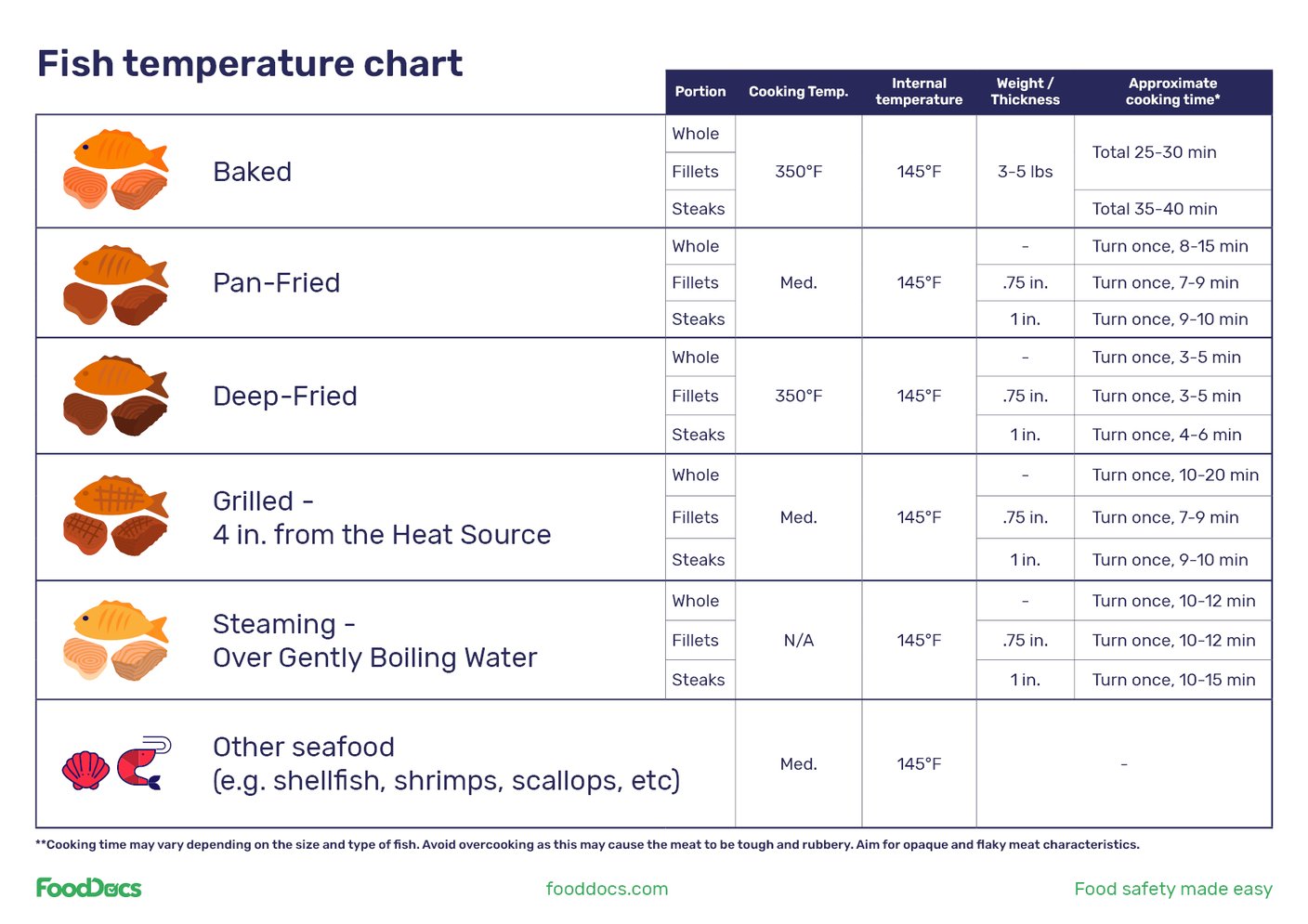
Let’s be honest, cooking salmon can feel a little stressful. You want it flaky, moist, and perfect, not dry and sad like a forgotten gym towel. But here’s the secret that takes all the guesswork out: the internal temperature.
Why you should care (beyond just not ruining dinner)
Think of salmon like a good friend at a party. You don’t want it underdone and shy (raw in the middle), and you definitely don’t want it overdone and cranky (dry and falling apart). The perfect temperature is the sweet spot where the fish is just cooked through, tender, and packed with flavor.
Getting it right means the difference between a meal that makes you sigh with happiness and one that makes you reach for the ketchup. And nobody wants to drown a beautiful piece of salmon in ketchup!
Must Read
The magic number (and a little story)
My dad used to cook salmon until it was the color of a cardboard box. He’d poke it with a fork and say, “Looks good!” But it was always dry. Then I bought a simple instant-read thermometer.
The magic number for salmon is 125°F to 130°F (52°C to 54°C) for a tender, medium-cooked fillet. If you like it a little firmer (well-done), aim for 135°F to 140°F (57°C to 60°C).
It’s like checking the temperature of bathwater—too cold and you shiver, too hot and you leap out. 125°F is the “ahhhh, just right” moment for salmon.
How to check without a meltdown
You don’t need a fancy chef’s tool; a cheap digital thermometer from the grocery store works perfectly. Insert it into the thickest part of the fillet, sideways, so you’re not poking through to the pan.
If you don’t have a thermometer, use the “flaky test.” Gently press the side of the salmon with a fork—if it flakes easily and looks opaque (not translucent), it’s likely done. But trust me, thermometer is king.
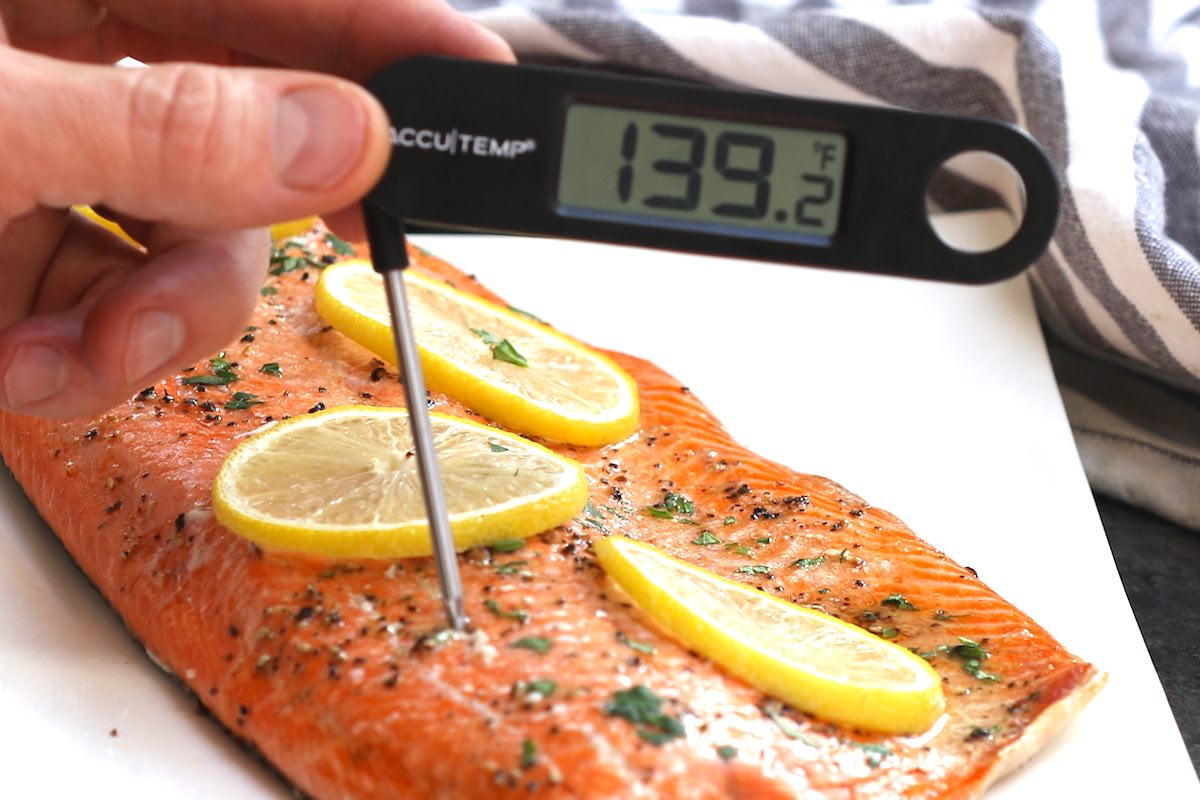 Cooking Salmon Temperature Chart – LMQVQ
Think of it like checking your phone’s battery life. You wouldn’t just guess if it’s at 50%—you check. Same with salmon: check the temp for peace of mind.
Real-life examples to cook by
Last Tuesday, I threw a salmon fillet in the oven at 400°F. After 12 minutes, I checked the temp: 120°F. I gave it 3 more minutes, and boom—128°F. Perfectly flaky, with a little butter melted on top.
My neighbor Sarah once forgot her salmon on the grill. She came back to find it at 155°F. It looked like a hockey puck. She served it with extra lemon and a sad smile. Don’t be Sarah.
Another friend, Tom, panicked and pulled his salmon at 110°F. It was raw in the middle. He ended up microwaving it for 30 seconds, which made it rubbery. Use a thermometer, Tom!
What about carryover cooking?
Here’s a little kitchen secret: salmon keeps cooking even after you take it off the heat. This is called carryover cooking. So if you pull it at 125°F, it might climb to 130°F while resting for a few minutes.
 Should Salmon Be at Room Temperature Before Cooking? Here's the Verdict
It’s like when you pull a pot of pasta off the stove—it stays hot for a while. So aim for 120°F to 125°F if you want that perfect medium finish. Rest it on a plate for 2–3 minutes, and you’re golden.
Seriously, that two-minute rest is your best friend. It lets the juices settle so the fish doesn’t turn into a sad, watery plate.
A final, friendly reminder
You don’t need to be a professional chef to cook amazing salmon. You just need a thermometer and a little patience. It’s cheaper than a ruined filet.
Remember: 125°F to 130°F is the sweet spot. If you’re cooking for kids or someone who’s nervous about undercooked fish, go for 135°F—still moist, just firmer.
So next time you’re staring at a pink fillet, don’t guess. Use the thermometer. Your taste buds (and your dinner guests) will thank you. And if they don’t, just say, “The temperature was perfect.” Because it was.
