What Should The Internal Temperature Of A Meatloaf Be

So, there I was, standing in my kitchen, knife in hand, staring at a meatloaf like it was a crystal ball about to reveal my future. I'd just pulled it out of the oven, and it...
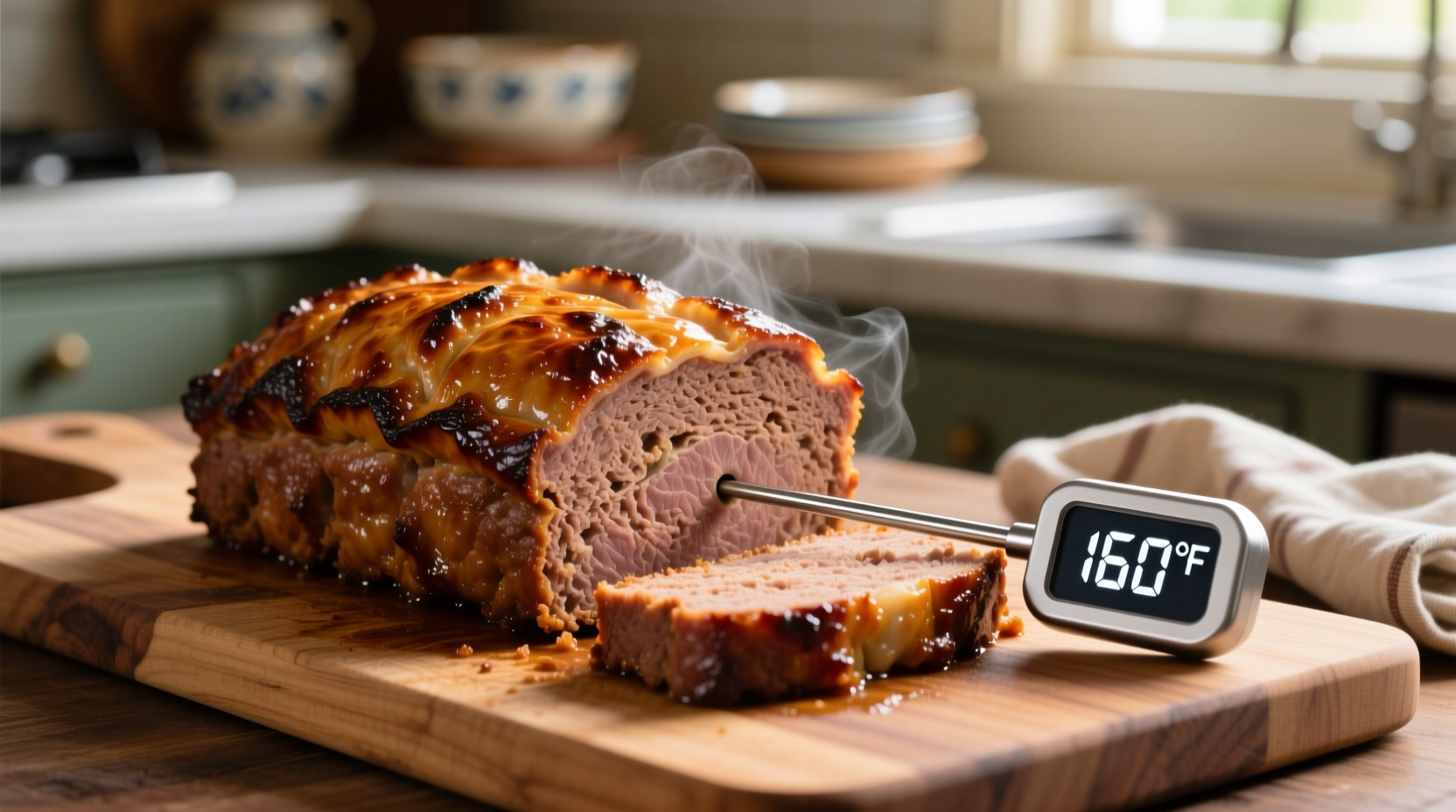
So, there I was, standing in my kitchen, knife in hand, staring at a meatloaf like it was a crystal ball about to reveal my future. I'd just pulled it out of the oven, and it was looking mighty fine, but I was stuck. Was it done? Or was I about to serve up a side of salmonella with my mashed potatoes? You've been there, right? The great meatloaf mystery.
Now, I could've just sliced into it, but my mom's voice echoed in my head, "You'll let all the juices out, and it'll be dry as a bone!" So, I did what any curious, slightly anxious cook does - I grabbed my meat thermometer and decided to get to the bottom of this.
What's the Magic Number?
You've probably heard that the internal temperature of meatloaf should be 160°F (71°C). But why? And is that really the magic number for all meatloaves? Let's dive in.
Must Read
First off, the USDA recommends cooking ground meats to 160°F to kill any potential bacteria. That's why you'll see that number tossed around a lot. But here's the thing, meatloaf is different from a burger or a meatball. It's denser, and it's often packed with other ingredients like eggs, breadcrumbs, and vegetables. So, the heat might not distribute as evenly, and some parts could be overcooked while others are still a bit pink.
Plus, have you ever tried to get a meat thermometer into a meatloaf without squishing it or letting all those precious juices escape? It's a challenge, I get it. So, what's a home cook to do?
Introducing the 155°F (69°C) Rule
Here's where things get interesting. Some cooking experts suggest that for meatloaf, you can actually stop cooking at 155°F (69°C). Why? Well, because meatloaf is usually cooked in a loaf pan, which acts like a little oven within your oven. This means that even after you've pulled it out, the meatloaf will continue to cook due to carryover cooking.
So, if you pull it out at 155°F, by the time you've let it rest for a few minutes, it should be safely at 160°F. Just remember, this is a bit of a gray area, and it's always better to be safe than sorry. If you're not comfortable with this method, stick with the 160°F rule.
But What About Doneness?
Now, you might be wondering, "What if I don't have a thermometer? How can I tell if my meatloaf is done?" Well, there are a few tricks you can use. One is the old 'press test'. Gently press the top of the meatloaf with your finger. If it springs back, it's probably done. If it leaves an indentation, it might need a bit more time.
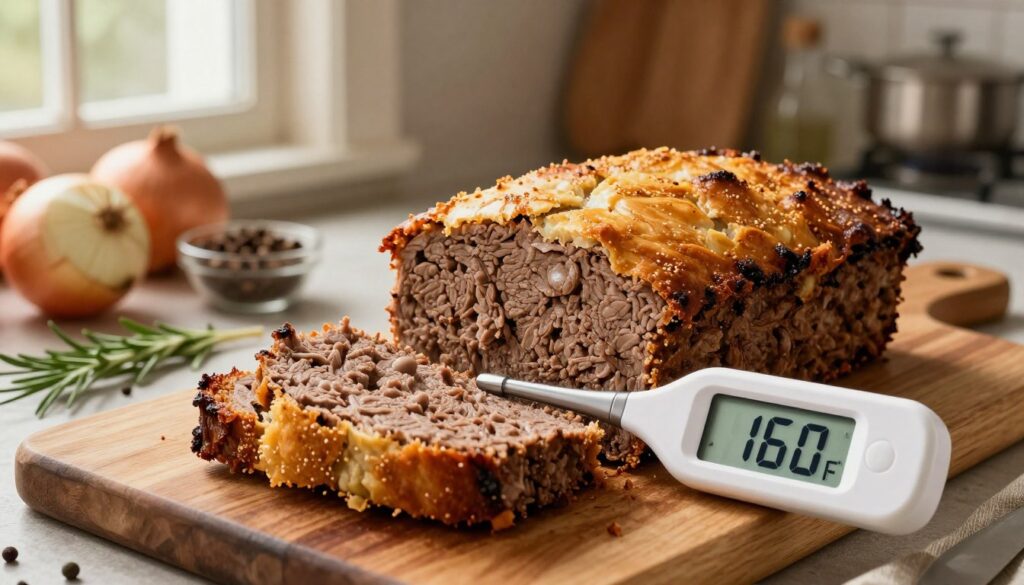 meatloaf recipes easy lipton onion - thmrecipes
You can also use the 'toothpick test'. Insert a toothpick into the center of the meatloaf. If it comes out clean, your meatloaf is likely done. If it's still pink, it needs more time in the oven.
But remember, these methods aren't foolproof. They're more of a guide, and they're no replacement for a good meat thermometer. So, if you're serious about cooking, I'd recommend investing in one. They're not expensive, and they'll give you peace of mind.
Resting is Key
One more thing before we wrap this up. After you've pulled your meatloaf out of the oven, let it rest for about 10-15 minutes before slicing into it. This gives the juices a chance to redistribute throughout the meatloaf, ensuring that each slice is moist and delicious.
So, there you have it. The great meatloaf mystery solved. Or at least, a little less mysterious. Now, go forth and cook up a storm. And remember, if you're ever unsure, it's always better to err on the side of caution. After all, no one wants to be the person who serves up a case of food poisoning.
Happy cooking, my friends!
