What Should The Internal Temp Of Cooked Chicken Be

Cooking chicken is one of those kitchen tasks that can feel wonderfully satisfying but also a little nerve-wracking. There's nothing quite like the aroma of a perfectly roaste...
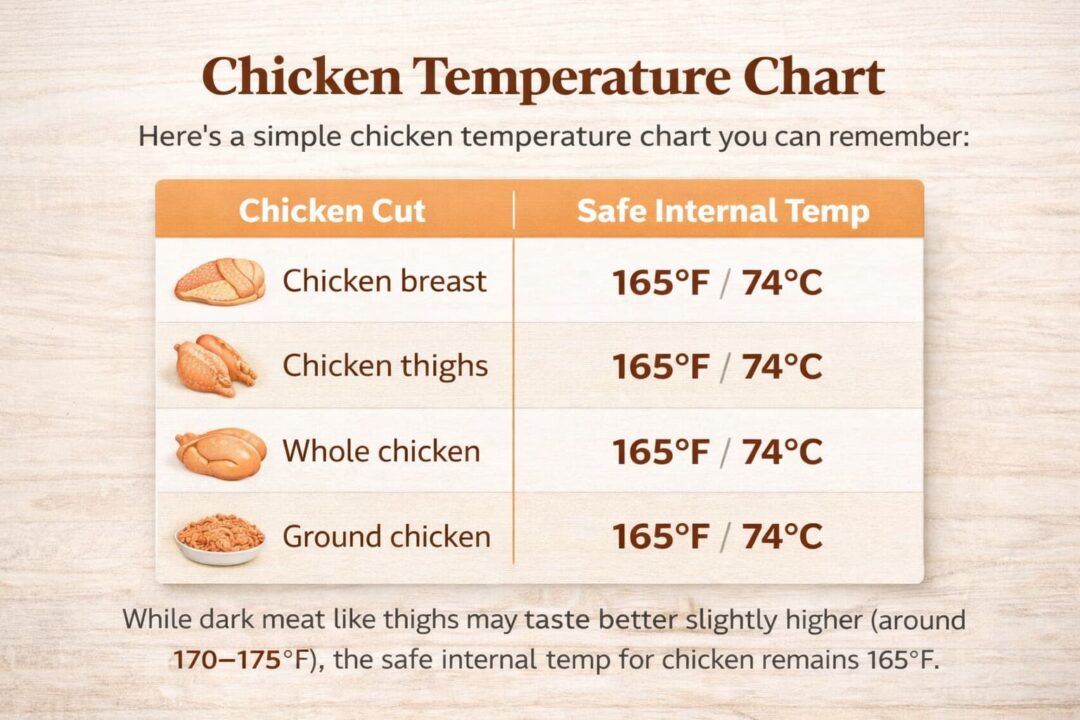
Cooking chicken is one of those kitchen tasks that can feel wonderfully satisfying but also a little nerve-wracking. There's nothing quite like the aroma of a perfectly roasted bird or the sizzle of a pan-seared breast, but the nagging worry about undercooking it can spoil the fun. The real joy here is that this topic is practical and universally appreciated because it ensures a meal that’s both delicious and safe. Knowing the target internal temperature isn't about being a perfectionist; it’s about gaining freedom—freedom from dry, overcooked chicken on one hand, and from food safety fears on the other. Whether you’re a busy parent throwing together weeknight dinners or a weekend grill master, hitting the right temp means everyone at the table can eat with confidence and real pleasure.
At its heart, the main purpose of tracking internal temperature is simple: food safety. Undercooked chicken can harbor harmful bacteria like Salmonella or Campylobacter, which are no joke. But there’s a second, equally important benefit: tenderness and moisture. Overcooking chicken to the point where it’s stringy and dry is a common mistake, largely because people rely on visual cues like “no pink inside.” The truth is, color is a poor guide. A meat thermometer is your best friend here, giving you a precise, science-backed number that guarantees the chicken is safe without being ruined. This small tool can transform your cooking, turning a hit-or-miss experience into a consistently rewarding one.
So, what’s the magic number? For standard cuts like breasts, thighs, drumsticks, and wings, the United States Department of Agriculture (USDA) recommends a minimum internal temperature of 165°F (74°C). This is the benchmark for safety. However, there’s a nuance many home cooks appreciate: dark meat, like thighs and legs, often tastes better when cooked a bit higher, around 175°F to 185°F. This extra heat breaks down connective tissues, making the meat juicier and more tender. For whole chickens, you want to test multiple spots—the thickest part of the thigh and breast—to ensure every part reaches at least 165°F. Remember, resting the chicken for 5–10 minutes after cooking allows the temperature to even out and redistribute juices.
Must Read
A common variation you’ll encounter is the debate around “carryover cooking.” When you pull the chicken off the heat, its internal temperature can rise by another 5–10°F as heat continues to move from the outer layers to the center. This is why many experienced cooks remove whole birds at around 160°F, knowing carryover will nudge it safely to 165°F. For smaller cuts like breasts, the carryover is less dramatic but still worth considering. If you prefer a foolproof approach, just target 165°F directly—it’s the stress-free method for beginners and pros alike. The key is to trust your thermometer over your instincts.
Getting started is easy. First, invest in a reliable digital instant-read thermometer; they’re affordable and accurate. Insert it into the thickest part of the meat, avoiding bones or the pan, which can give false readings. For boneless breasts, aim horizontally from the side. For bone-in thighs, go in near the bone but not touching it. Use this technique every time, even if you think you know the timing by heart. Another actionable tip: let your chicken come to room temperature for about 15–20 minutes before cooking. This promotes even cooking, reducing the chance of a dry exterior and raw interior. And always clean your thermometer with hot, soapy water between uses.
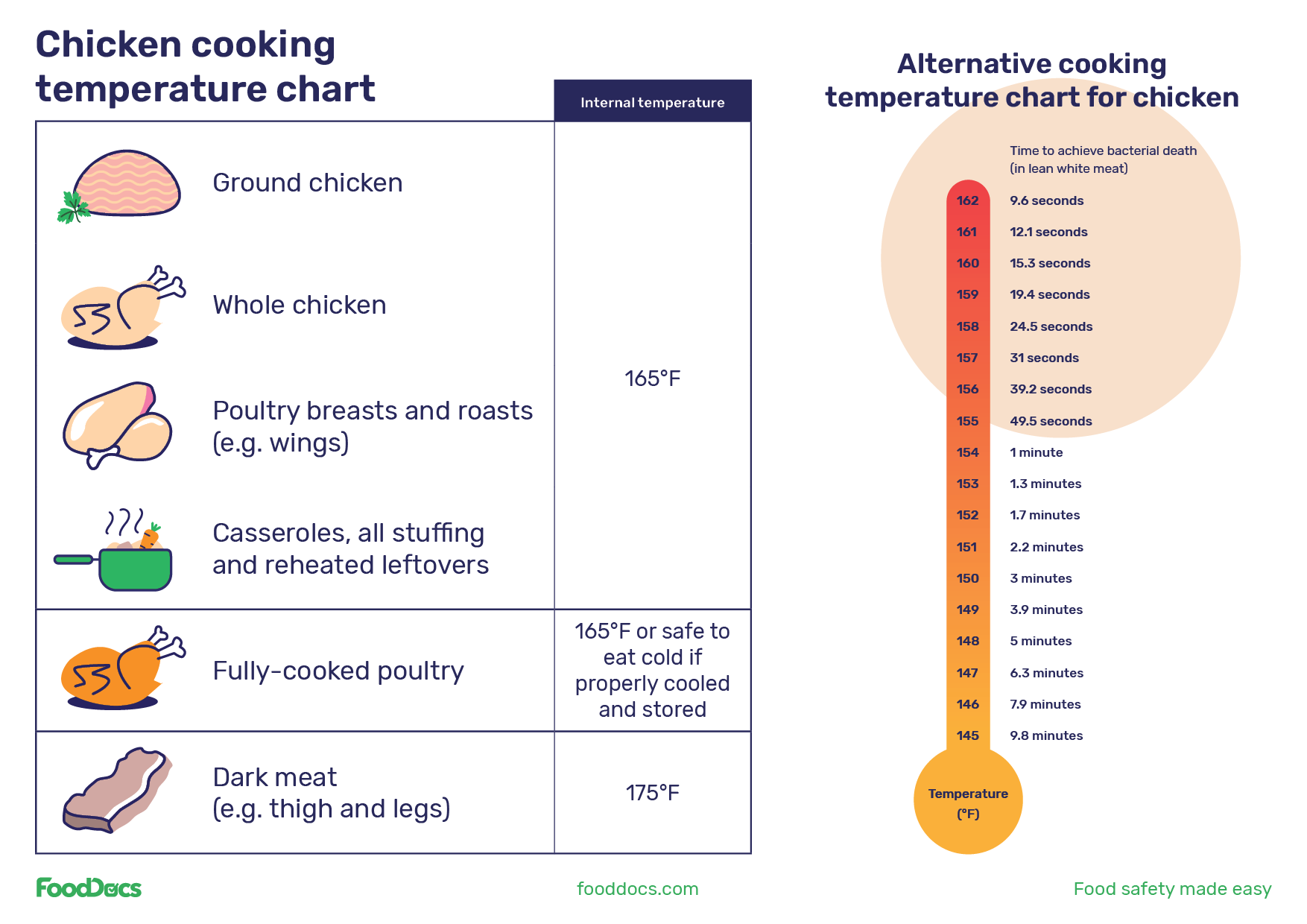 What Temperature Should Chicken Pieces Be Cooked At? A Detailed Guide
To make the most of this knowledge, consider building a simple habit: cook by temperature, not by time. Times can vary based on thickness, oven accuracy, and altitude; temperature is truth. For example, a 6-ounce breast might take 18 minutes in one oven, but only 14 in another. By relying on your thermometer, you’ll never guess again. Also, don’t shy away from experimentation—once you hit 165°F safely, try brining or marinating for extra flavor. The goal is to stop stressing and start enjoying the process. Whether it’s a weeknight stir-fry or a holiday roast, that humble thermometer is your ticket to perfectly cooked chicken, every single time.
Ultimately, the question of internal temperature is one of the most rewarding kitchen skills you can learn. It demystifies a common fear and empowers you to cook with joy and precision. So go ahead, grab that thermometer, and let the numbers guide you. Your chicken will be safe, succulent, and packed with flavor—exactly what everyone at the table deserves. Happy cooking.

