What Should My Heart Rate Be For Weight Loss

Getting Your Heart Pumping for Weight Loss: A Fun Guide Ever wondered why your friend seems to shed pounds just by dancing at weddings, while you're still trying to figure ou...
Getting Your Heart Pumping for Weight Loss: A Fun Guide
Ever wondered why your friend seems to shed pounds just by dancing at weddings, while you're still trying to figure out how to make that spin class less miserable? Well, my friend, it might be all about that heart rate. Let's dive into the world of heartbeats and weight loss, with a side of fun, I promise!
First Things First: What's Your Heart Rate?
Your heart rate, or pulse, is like your body's metronome, keeping everything in rhythm. You can check it by feeling your wrist or neck, or using one of those fancy fitness trackers. On average, an adult's resting heart rate is around 60-100 beats per minute (bpm). But here's where it gets interesting: the lower your resting heart rate, the more efficient your heart is at pumping blood. Think of it like a well-oiled machine!
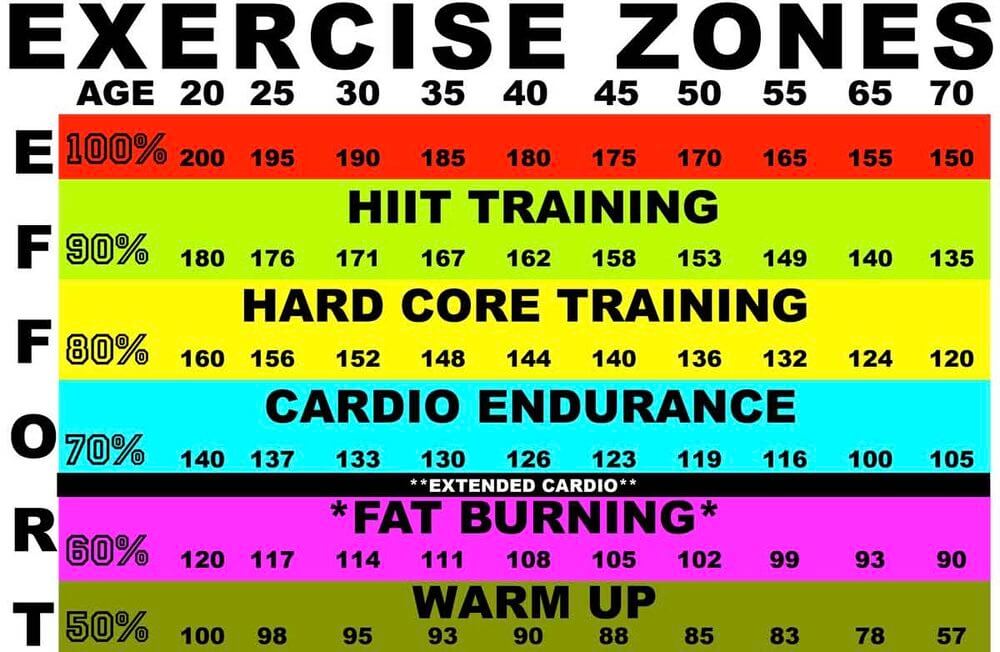
Now, let's talk about maximum heart rate. This is the highest number of beats your heart can handle in one minute during intense exercise. It's calculated by subtracting your age from 220. For example, if you're 30, your max heart rate would be around 190 bpm. But remember, we're not aiming for that when we're talking about weight loss.
Must Read
Now, Let's Get Moving: The Fat-Burning Zone
When it comes to weight loss, we're interested in the fat-burning zone. This is the range where your body is using fat as its primary fuel source. For most people, this is around 50-70% of their maximum heart rate. Let's do some math! If you're 30, your fat-burning zone would be around 90-130 bpm.
Imagine your heart rate like a car's speedometer. When you're cruising at 60 mph (our fat-burning zone), you're using less gas (calories) but still making progress. But when you floor it (high-intensity interval training), you're using more gas, but you're also going through it faster. Both have their places, but for weight loss, we want to spend more time in that sweet spot.
Finding Your Rhythm: Making It Work for You
So, how do you know if you're in the fat-burning zone? If you're doing moderate-intensity activities like brisk walking, cycling, or swimming, you should be there. Here's a fun test: try saying the full alphabet while you're exercising. If you can do it without gasping for air, you're probably in the right zone.
 How to Improve and Enjoy the Benefits of Good Heart Health
But remember, everyone's different. Some people might need to push a bit harder to hit their fat-burning zone, while others might need to take it easier. It's all about finding what works for you. And hey, if dancing at weddings gets your heart rate up, who are we to judge?
Why Should You Care?
You might be thinking, "This all sounds great, but why should I care about my heart rate?" Well, my friend, here's why:
- It helps you lose weight. Duh! But seriously, understanding your heart rate can help you make the most of your workouts.
- It keeps your heart healthy. The more you exercise in your target heart rate zone, the stronger your heart gets. It's like a workout for your ticker!
- It's a great way to track your progress. Seeing your heart rate drop over time is a fantastic indicator that you're getting fitter.
So, next time you're at the gym, or out for a walk, give your heart rate a thought. It's not just a number, it's your body's way of telling you it's working hard. And who knows, you might just start enjoying those workouts a little more. Happy heart-pumping!
