What Should Internal Temp Of Lasagna Be

Welcome, lasagna lovers and aspiring Italian cuisine champions! You’ve painstakingly layered your perfect sheets of pasta, a rich, slow-simmered meat sauce, a creamy béchamel...
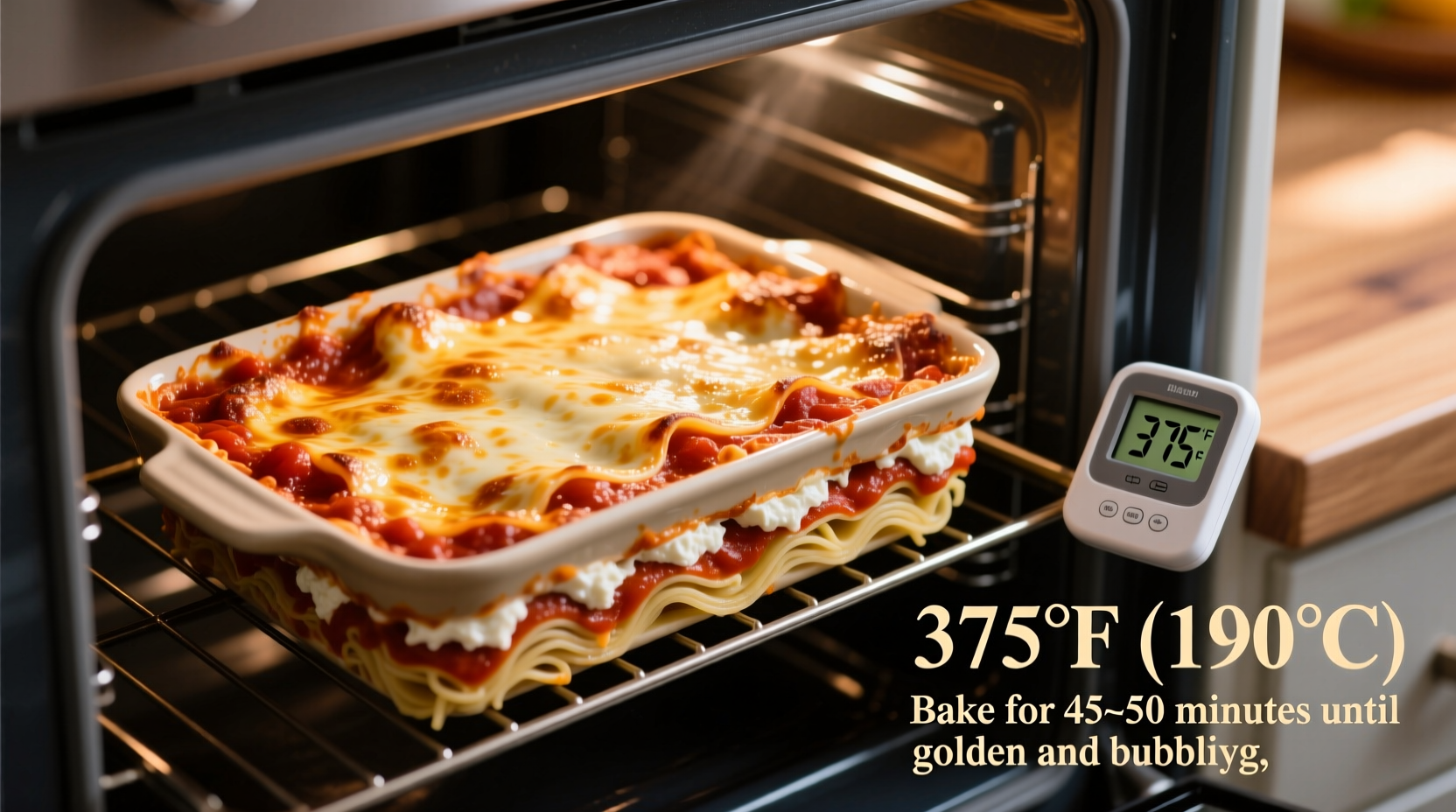
Welcome, lasagna lovers and aspiring Italian cuisine champions! You’ve painstakingly layered your perfect sheets of pasta, a rich, slow-simmered meat sauce, a creamy béchamel or ricotta blend, and a glorious mountain of melted mozzarella. You slide it into the oven, the aroma fills your home, and you eagerly await that perfect first slice. But wait—how do you know for sure it’s ready? This isn’t just about bubbling cheese; it’s about food safety and perfect texture. Knowing the ideal internal temperature of your lasagna is the secret to avoiding a cold, runny center or a dry, overcooked mess. It’s your ticket to a consistently magnificent dish that will impress every time, turning a good dinner into a great one.
So, what is this magic number? For a lasagna that is safe to eat and has a flawless structure, you are aiming for an internal temperature of 165°F (74°C). This is the gold standard recommended by food safety experts. Why? Because your lasagna is a mixed dish containing meat, dairy, and potentially eggs (in the ricotta or bechamel). Heating it to 165°F ensures that any harmful bacteria, like Salmonella or E. coli, are effectively killed. But the benefits go beyond safety. At this temperature, the starches in the pasta have fully gelatinized, the cheeses have melted into a cohesive, creamy layer, and the sauce has simmered into a concentrated, flavorful hug. It’s the difference between a slice that holds its shape and one that collapses into a soupy puddle.
Let’s get practical with a fun example. Imagine you’re hosting a “Build Your Own Lasagna” party (which you absolutely should). You have four mini lasagnas baking for different dietary needs: one classic meat, one vegetarian with spinach and mushrooms, and one vegan with tofu ricotta. While the fillings differ, the safety rule is universal. You’d pull out your trusty instant-read thermometer and check each one. For the meat version, hitting 165°F is non-negotiable. For the vegetarian and vegan versions, you still want that temperature—not just for safety (if the spinach was raw), but for texture. A vegan lasagna at 160°F might be watery from the tofu, but at 165°F, the moisture has cooked off, and the layers have set beautifully. The thermometer becomes your party’s hero, ensuring every guest gets a perfectly safe and delicious portion.
Must Read
Now, how do you actually measure this without committing a lasagna-tragedy? First, invest in a good instant-read thermometer—it’s a $10 tool that pays for itself in saved dinners. Once your lasagna looks golden and bubbly on top, pull it out of the oven. Wait about 5 minutes for it to rest; this lets the temperature equalize. Then, insert the thermometer’s probe into the very center of the dish, sliding it down between the layers, not just into the top cheese. You want a reading from the deepest, thickest zone—that’s the last part to cook. If it reads 165°F, you’re golden. If it’s lower, like 150°F, simply put it back in the oven for another 10 minutes. Pro tip: Place your lasagna on a baking sheet while baking. This catches any overflow and makes it much easier to rotate or slide out for that temperature check.
Let’s talk about the common “resting myth.” Many home cooks think resting is just for show, but it’s a critical cooking step. When your lasagna comes out of the oven, the internal temperature will continue to rise by about 5 to 10 degrees—this is called “carryover cooking.” So, if you pull it out at 155°F, the carryover will bump it up to a safe 165°F within 10-15 minutes. Resting also allows the layers to set. If you cut into it immediately, you’ll get a lava flow of sauce and cheese. For the best results, use your thermometer to confirm it reached at least 160°F in the oven, then let it rest untouched for 20 minutes. That is when the magic happens: the liquid reabsorbs into the pasta, creating the perfect, sliceable structure you crave.
 Homemade Lasagna Recipe - Glory of Recipes
Here is a creative tip for the adventurous cook: experiment with a “lasagna casserole” twist. If you’re making a dish where you’ve broken the lasagna noodles into pieces, the same 165°F rule applies, but the temperature will even out much faster because there are no large, dense sheets. For an extra-crispy top, finish your lasagna under the broiler for 2-3 minutes, but watch it like a hawk! The broiler can push the top cheese to 200°F easily, which is fine for browning, but your internal center must still hit that 165°F benchmark. A good trick is to bake the lasagna covered in foil for 75% of the time (which traps steam and cooks the layers evenly), then remove the foil for the final 10-15 minutes to brown the top. This ensures a consistent internal temperature without burning the cheese.
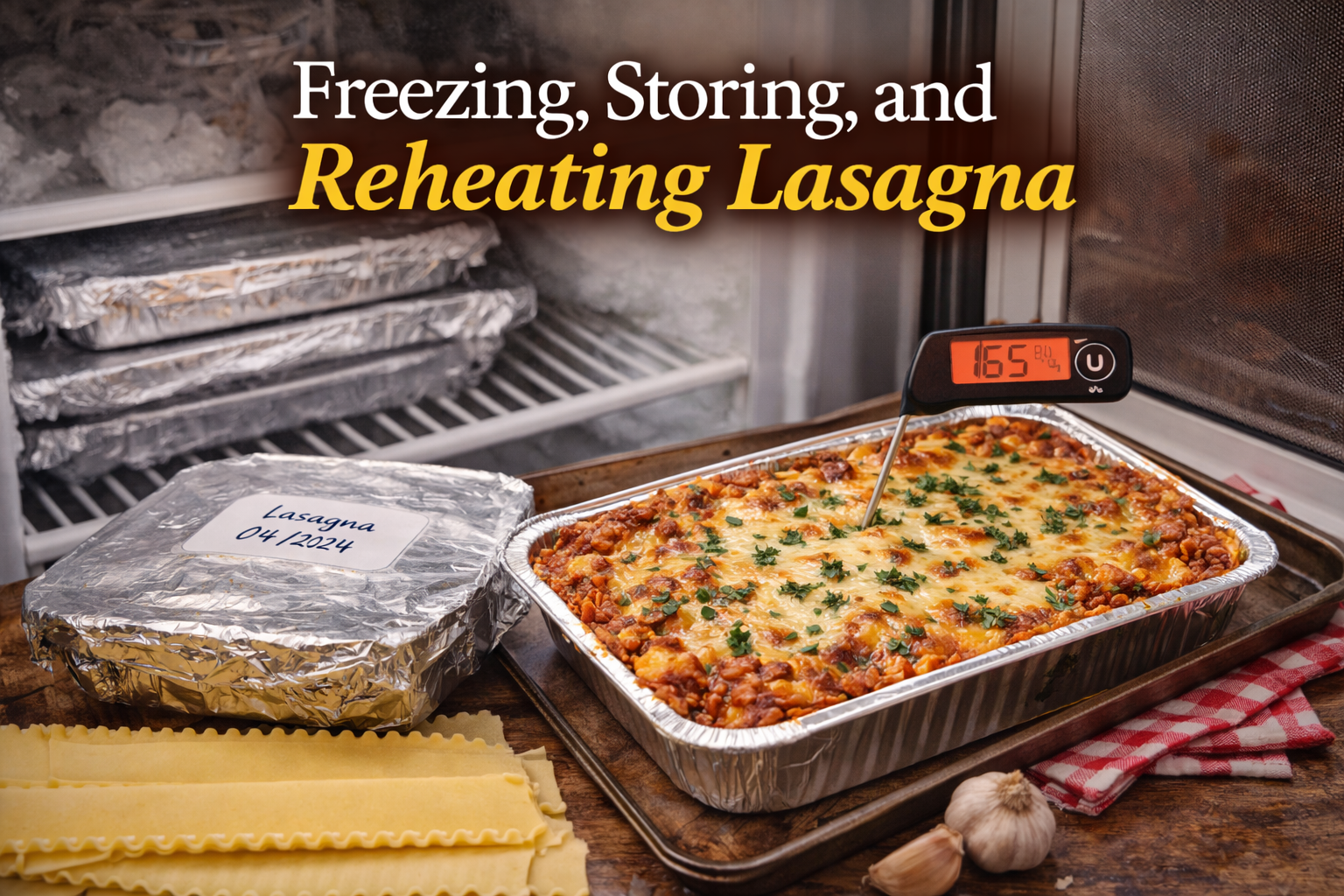
Finally, remember that your thermometer is your best friend for leftovers, too. Reheating a slice from the fridge? Don’t guess. The USDA recommends reheating any leftover lasagna to an internal temperature of 165°F as well—even if it was safe when first baked. Bacteria can grow during storage. Pop your slice in the microwave (covered with a damp paper towel to avoid dryness) or in a 350°F oven, and check the center. It’s a five-second check that ensures your leftover lunch is just as glorious as the initial dinner. So, go forth, layer with confidence, and keep that thermometer handy. Your lasagna will thank you with every perfect, steaming, safely delicious bite. Buon appetito!
