What Should Activated Yeast Look Like

Home bakers often rely on the quiet power of yeast to transform simple ingredients into loaf after loaf of **fresh bread**, a ritual many cherish because it taps into ancient...
Home bakers often rely on the quiet power of yeast to transform simple ingredients into loaf after loaf of fresh bread, a ritual many cherish because it taps into ancient culinary traditions while delivering comforting, everyday rewards. Yet even experienced cooks can pause mid-prep, wondering whether their yeast is truly alive. Knowing what activated yeast should look like is a small but essential skill that saves wasted ingredients and guarantees a consistent rise every time.
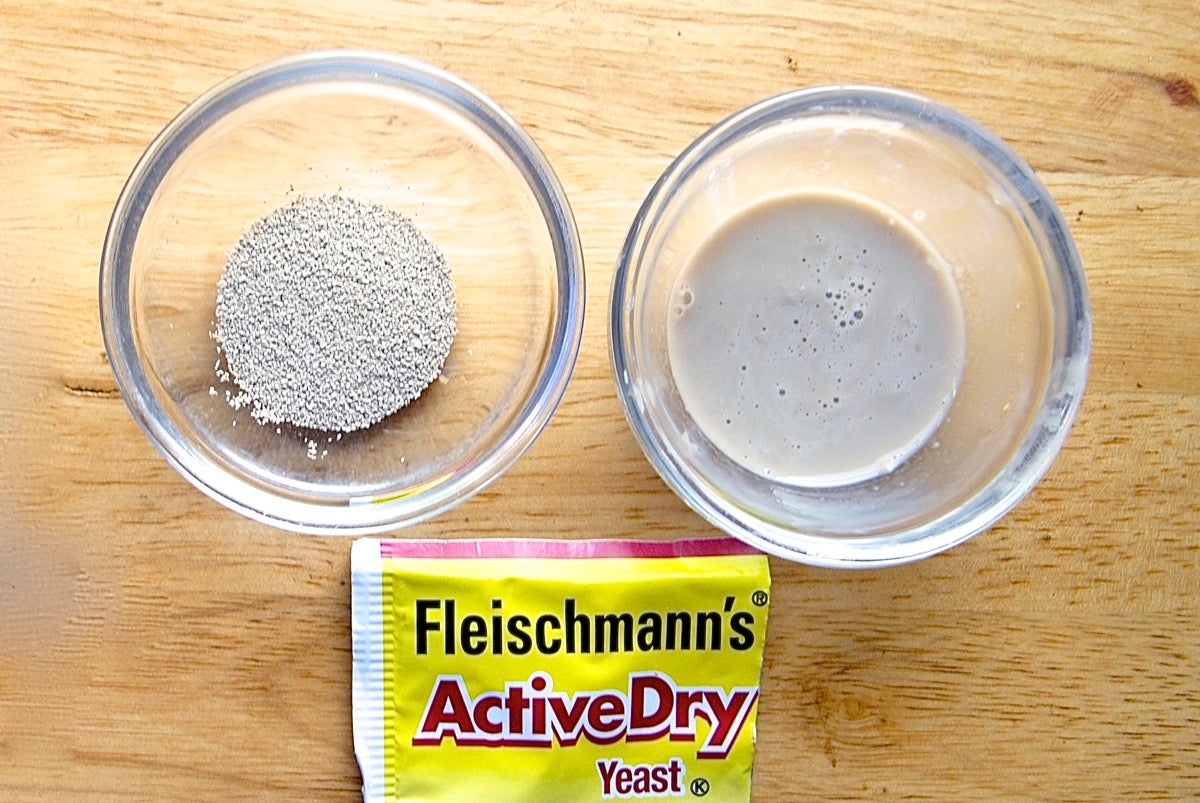
The key purpose of proofing or activating yeast is to confirm that the microorganisms inside the packet are still viable before you commit flour, sugar, and time to a recipe. Active dry yeast and instant yeast both come dormant, and activating them creates a visual and olfactory signal that fermentation will occur as intended. This simple check prevents the frustration of biting into a dense, flat loaf that never got off the ground.
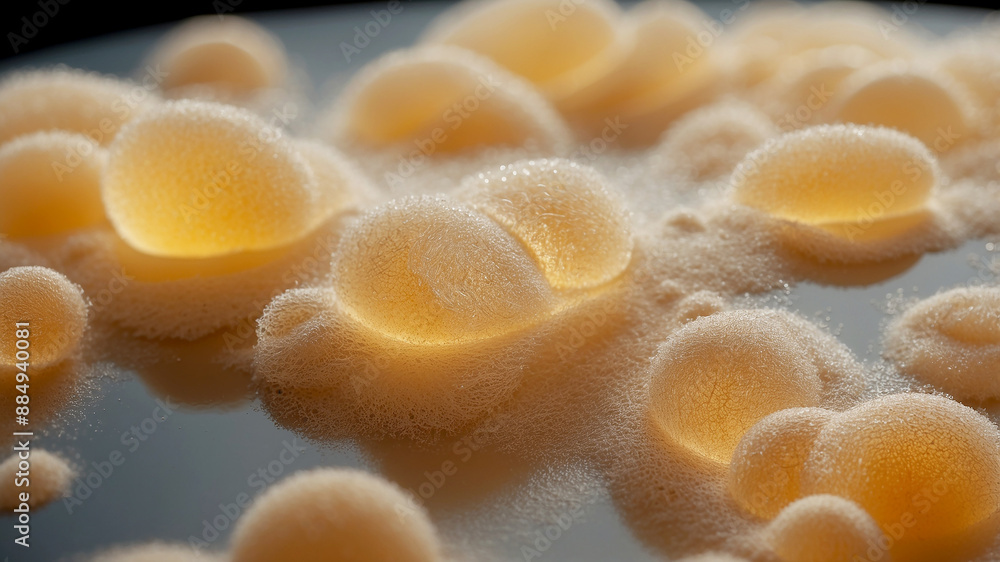
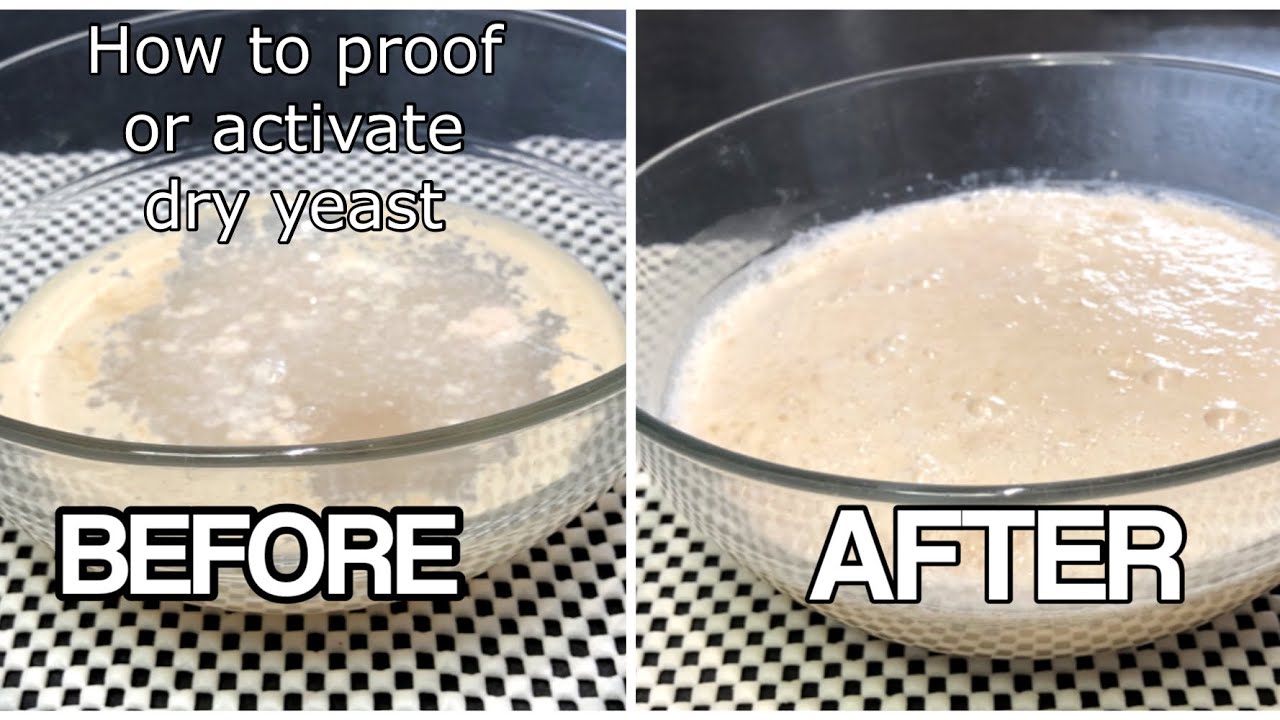
When yeast activates properly, the mixture typically resembles a thin, frothy foam resting on the surface of warm liquid. The foam should be pale cream to beige in colour and visibly bubbly, often rising about a centimetre above the water's original surface within five to ten minutes. You may also notice a faint, pleasantly nutty aroma—think of it as a gentle, earthy scent rather than anything acrid or sour. If no foam appears, or if the surface looks flat and lifeless, the yeast has likely expired and should be replaced.
Must Read
Context matters because different yeast types display slightly different activation cues. Instant yeast, designed to mix directly into dry ingredients, may not foam as vigorously in a test but will still produce small bubbles if dissolved in a spoonful of warm water. Active dry yeast, by contrast, is coarser and benefits greatly from a full 60-second soak in water between 37°C and 43°C before foam becomes apparent. For example, a baker preparing classic sourdough scottie rolls will watch for that unmistakable froth to know the dough is poised for a strong first rise.
Beyond immediate usability, properly activated yeast brings a host of everyday benefits. It ensures even fermentation, which translates to a uniform crumb structure, better volume, and a lighter texture in finished bread. It also helps you embrace waste reduction: by verifying yeast viability first, you avoid discarding an entire batch of dough. Over time, this habit turns baking into a more confident and sustainable practice, saving both time and money.
 What Does Active Dry Yeast Look Like When Activated | TAFT Independent
Here are a few simple tips to explore what activated yeast looks like on your own. First, always use lukewarm liquid—too hot kills the organisms, while too cold slows them beyond usefulness. Second, add a pinch of sugar to the test mixture; feeding the yeast accelerates bubbling and makes the result easier to observe. Third, time your check precisely: set a five-minute timer and examine at the midpoint to see the progression. Finally, compare a fresh sample with an older packet stored in the freezer so you can easily recognise the difference between a vigorous foam and a failed attempt.
By learning to recognise the telltale signs—creamy froth, gentle bubbles, and a fresh aroma—you gain a reliable early-warning system that safeguards your baking efforts. Whether you are making weekday sandwiches or a celebratory cake, that small moment of observation before mixing can be the difference between a proud, rising loaf and a disappointing disappointment. Keep practicing, keep watching, and let confidence in your yeast become second nature.