What Percentage Of Native American Blood Is Needed For Benefits

Have you ever heard someone casually say, “Oh, they’re 1/16th Cherokee,” and wondered what that actually means? Really means? That number sounds like a weird recipe, doesn’t i...
Have you ever heard someone casually say, “Oh, they’re 1/16th Cherokee,” and wondered what that actually means? Really means? That number sounds like a weird recipe, doesn’t it? But in the world of Native American tribal benefits, that fraction can feel like the golden ticket—or a total mystery box.
So, let’s get one thing straight right now: there is no single, magical percentage of Native American blood that automatically qualifies you for benefits. Nope, not even a universally recognized “one drop” rule. Every single federally recognized tribe gets to set its own rules, like how a secret club picks its own handshake.
The Big Myth: The Government’s Magic Number
You might think the U.S. government keeps a chart labeled “Benefits by Blood Quantum.” Sorry to burst that bubble, but it’s way messier than that. The Bureau of Indian Affairs (BIA) doesn’t hand out a universal “Indian Card” based purely on a percentage.
Must Read
The real gatekeeper? It’s the individual tribe. They decide who belongs. That’s like asking, “What size of pizza slice is needed to join the Pizza Lovers Club?” Each club makes up its own answer.
Blood Quantum vs. Lineal Descent: What’s the Difference?
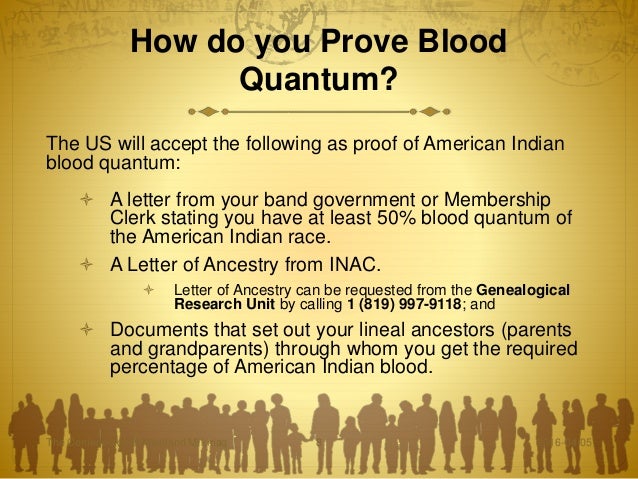
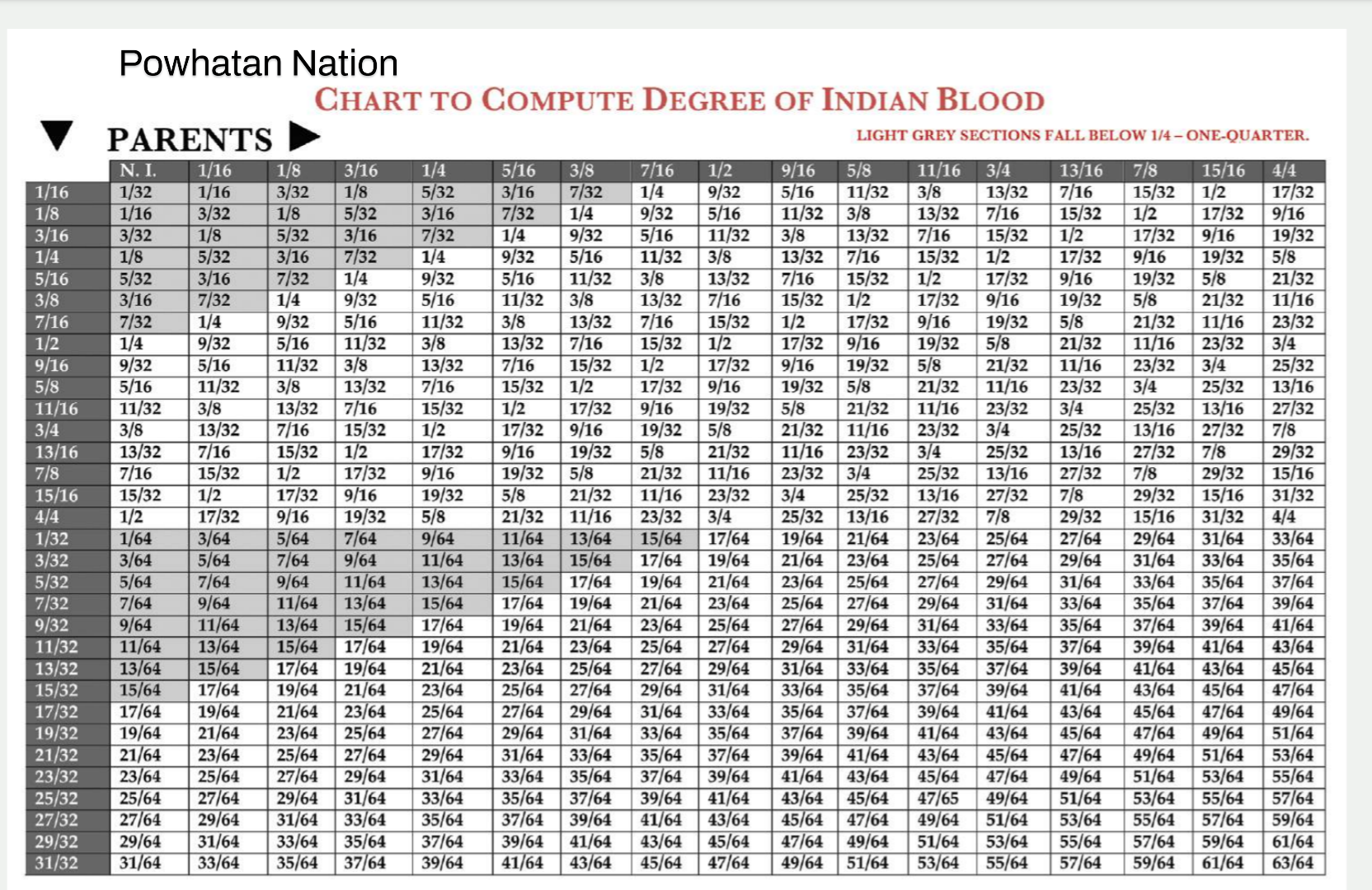
Here’s where it gets fun. Some tribes use a system called blood quantum, which measures your “Indian blood” like a barista measures espresso shots. For example, the Cherokee Nation requires a direct ancestor on the Dawes Rolls (a historical census), but no minimum blood percentage. The Navajo Nation, on the other hand, requires at least 1/4 (or 25%) Navajo blood.
Other tribes use lineal descent—if you can prove you’re related to a member on a historical roll, you’re in, no matter how small the fraction. It’s like saying, “If your great-great-grandma was in the founding family photo, you get a pass.”
So, one person with 1/32 blood might be in, while another with 1/2 blood might be out. Crazy, right? It’s all about the tribe’s own constitution and history.
 US Guide Presentation - March.2016
What Kind of Benefits Are We Even Talking About?
Let’s talk goods and services, not just bragging rights. We’re mostly chatting about federal benefits like healthcare through Indian Health Service (IHS), education scholarships, housing assistance, or cultural hunting/fishing rights. But here’s the kicker: many of these benefits aren’t based on your blood percentage—they’re based on tribal enrollment.
If you’re an enrolled member of a federally recognized tribe, you can access many services, even if your blood quantum is 1/64. If you’re not enrolled? Your blood percentage is just a number on a family tree. It’s like having a library card but being refused entry because you don’t have the right stamp.
The “Fun” Comparison: Like Making a Secret Sauce?
Think of tribal enrollment as a secret recipe handed down through generations. Each tribe has its own list of ingredients (ancestors), its own measurements (blood quantum), and its own cooking method (enrollment process). A 1/4 blood requirement is like needing exactly one cup of cocoa for the brownies—too little, and you’re out.
A lineal descent rule is more like saying, “We don’t care how much cocoa you use, as long as your family’s recipe is in our cookbook.” It’s way more chill, but way harder to fake.
Why It’s Actually Cool (and a Little Messy)
This system is interesting because it’s a blend of law, history, and identity. It’s not just about paperwork; it’s about who a tribe considers its own. Tribes have used blood quantum for centuries, sometimes to protect their culture, sometimes because the U.S. government forced them to use it.
 The Powhatan Nation
Some people argue that blood quantum is a colonial tool that slowly erodes tribal membership over generations. Others say it’s a practical way to keep benefits from being spread too thin. It’s like a heated debate over whether your favorite band should sell out a stadium or stay in a small club.
Does This Mean You Can’t Claim Heritage Without Benefits?
Absolutely not! Your connection to your Native American heritage is about culture, community, and history—not just a government check. Plenty of people with undeniable, deep Native roots are not enrolled in a tribe (maybe their ancestors weren’t on a roll, or they missed a deadline).
And many enrolled members have very little blood quantum—they’re just well-documented and connected to their tribe. So, don’t let a number define your story. You are more than a fraction.
Here’s Your Takeaway (No Calculators Needed)
If you’re curious about benefits, start by figuring out which tribe you’re connected to, not a percentage. Contact the tribe’s enrollment office—they’ll tell you their specific rules. It might be “1/4 blood,” “lineal descent,” or something funky like “must prove descent from a specific 1890s census.”
And remember: the idea that you need a certain “percentage” to be Native American is a modern, legal thing. For thousands of years, it was about who your grandmother knew, not how much DNA you carry. That’s way more interesting than any math problem, don’t you think?
