What Percent Of Us Beef Is Imported

Let’s be honest—when you bite into a juicy burger, you’re not exactly pondering international trade routes. But here’s a fun fact that’ll make you the star of your next backya...
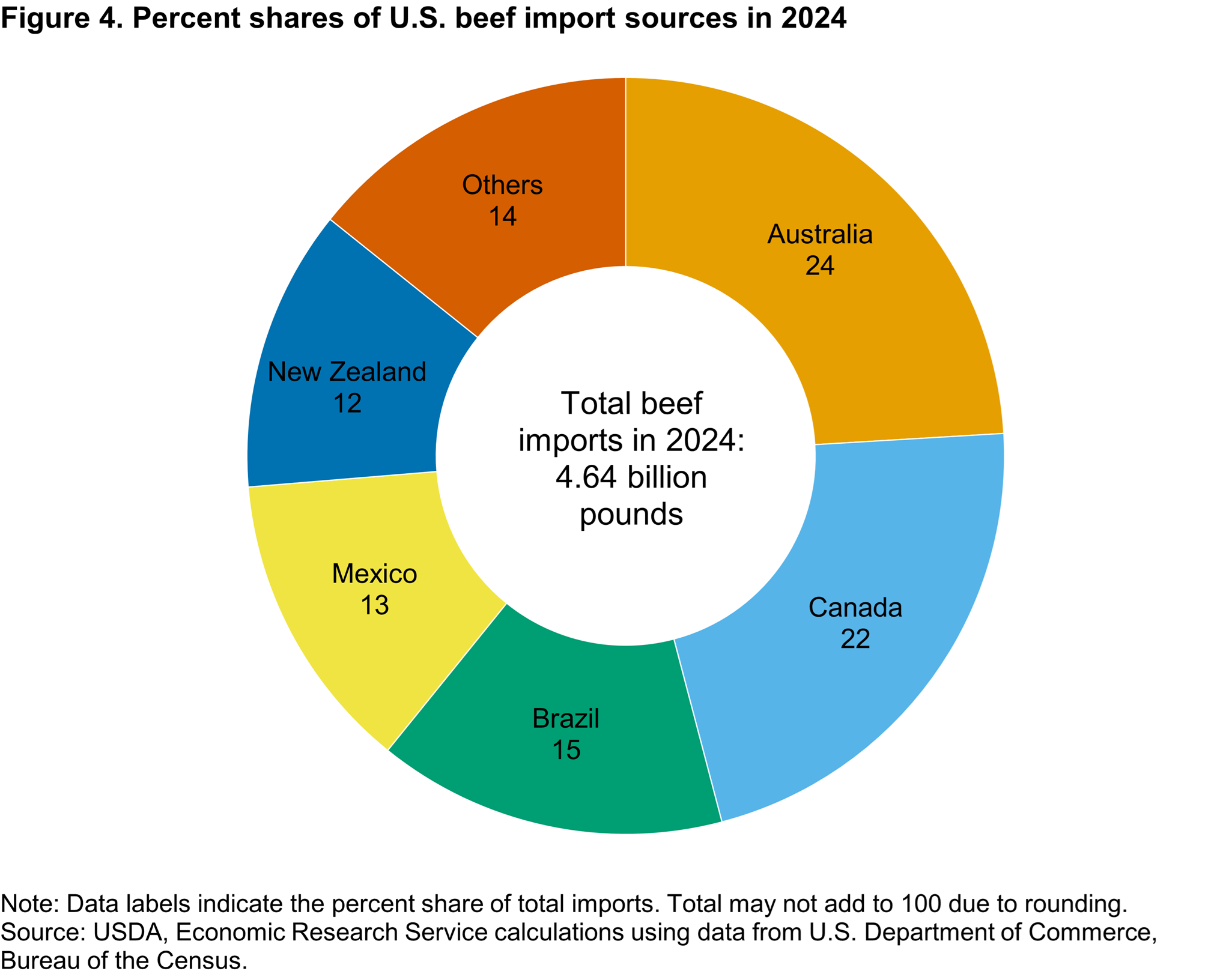
Let’s be honest—when you bite into a juicy burger, you’re not exactly pondering international trade routes. But here’s a fun fact that’ll make you the star of your next backyard barbecue: about 8 to 12 percent of the beef we eat in the United States is actually imported. That’s right—your steak might have passport stamps.
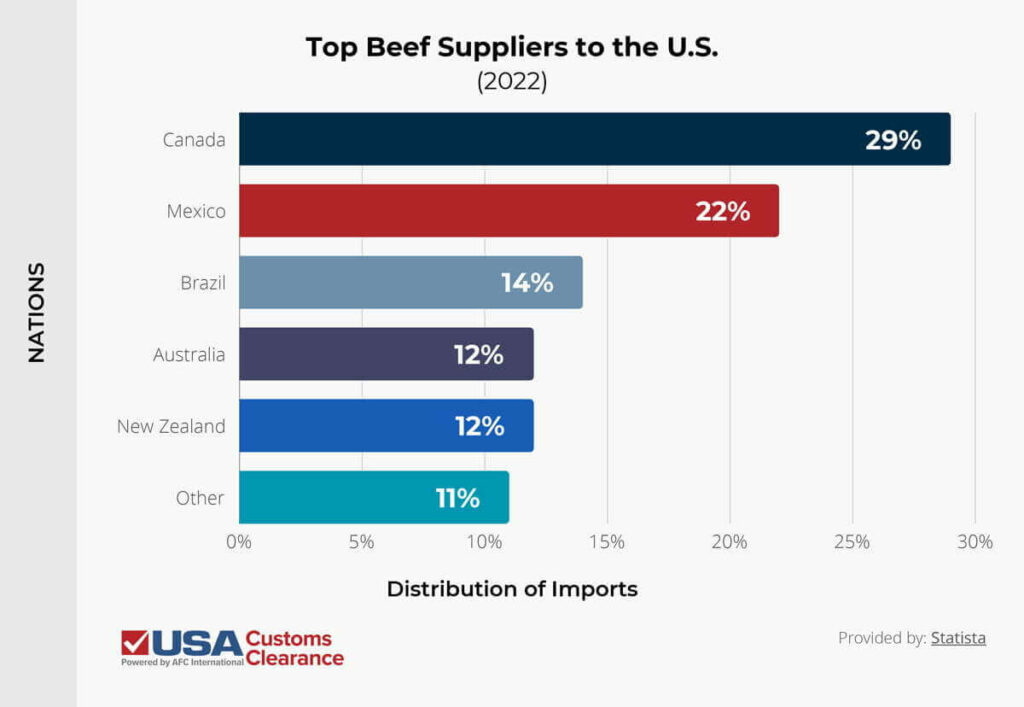
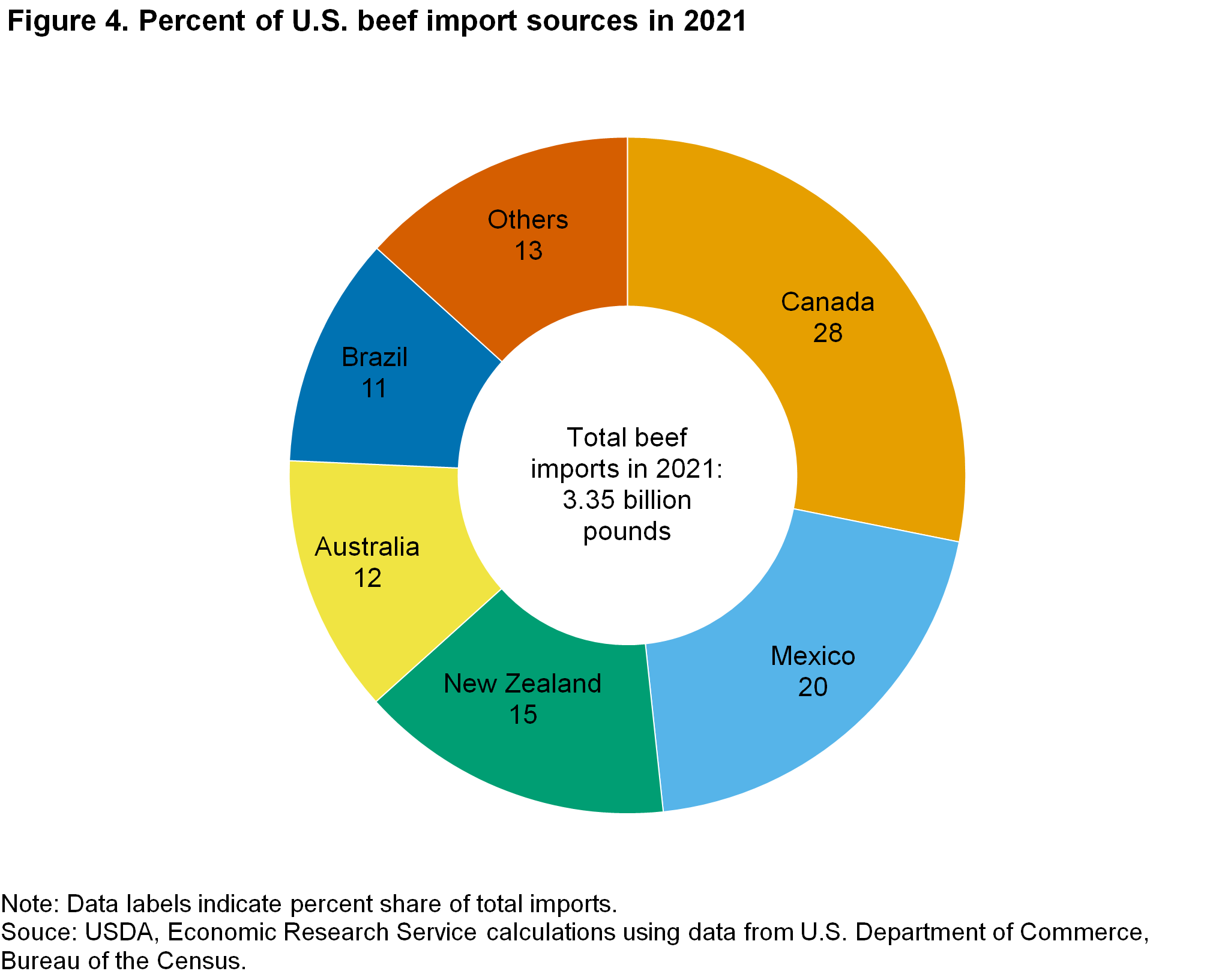
Most of that imported beef comes from our neighbors, Canada and Mexico, with a splash from Australia and New Zealand. So while you’re grilling, you’re actually enjoying a little global adventure on your plate. Who knew grocery shopping could feel like a mini world tour?
Why so little? (And why that’s great news)
The U.S. is a beef-producing powerhouse—we raise about 90 percent of the beef we consume right here at home. That means when you grab that sirloin, you’re mostly supporting American ranchers. Pretty cool, right?
Must Read
But that small imported slice plays a surprisingly delicious role. It fills in gaps—like when demand for lean ground beef spikes for taco night, or when we crave premium cuts that other countries specialize in. It’s not a problem; it’s a partnership.
Think of it like your spice rack: you grow the basics, but you import a little cinnamon or cumin to make life way more interesting. Same with beef—a dash of global flavor keeps menus fun and prices steady.
The real numbers (so you can sound like a genius)
Pause and picture this: in 2023, the U.S. imported about 3.5 billion pounds of beef. Sounds huge, right? But we produced over 27 billion pounds that same year. So the imported part? A measly smidgen in the grand cattle kingdom.
Interestingly, we also export a ton of beef—around 10 percent of our production goes to other countries. So we’re basically swapping premium beef like trading cards. Japan loves our grain-fed beef; we love New Zealand’s grass-fed. It’s a beef diplomacy that makes the world go round.
 The Comprehensive Guide to Importing Meat Into the U.S.
If you’re worried about “foreign beef” being lower quality, take a breath. The USDA inspects every single pound that crosses the border, whether it comes from Texas or Tasmania. Safety and standards are non-negotiable.
But why should YOU care? (Spoiler: fun reasons!)
Knowing where your beef comes from lets you play food detective. Next time you’re at the store, check the label. You might find grass-fed from Australia or lean ground from Canada—and suddenly your shopping trip becomes a mini geography quiz. Invite a friend; make it a game.
Plus, this knowledge makes you a legend at parties. Say this at your next cookout: “Did you know only 8 percent of our beef is imported? That means this burger is basically a hometown hero.” Watch jaws drop. You’re now the beef guru of your friend group—wear the crown lightly.
It also helps you appreciate the incredible efficiency of American farmers. They produce enough beef to feed 330 million people while still having extra to share. That’s not just farming; that’s superpower-level stuff.
A lighthearted twist: What if it were 100 percent imported?
Imagine if we imported all our beef. Burgers would cost a fortune, cows would vanish from our countryside, and we’d be totally dependent on global shipping (and weather). Lucky for us, that’s a silly hypothetical—our ranchers are too dedicated to let that happen.
 Meat Consumption Pie Chart
Instead, we get the best of both worlds: homegrown reliability plus international variety. It’s like having a friend who’s great at cooking, but also orders takeout occasionally. No shame, just balance.
And that balance keeps your grocery bill from soaring. Trade agreements with Canada and Mexico mean we can keep beef prices reasonable, especially during droughts here. So imported beef isn’t a villain; it’s a safety net wearing a cowboy hat.
The inspiring takeaway (ready for this?)
Here’s the uplifting part: understanding a tiny stat like “what percent of beef is imported” opens a window to wonder. Suddenly, every meal is a story—of ranchers, trade deals, and global teamwork. You’re not just eating; you’re connecting.
Next time you bite into a taco or a burger, think of the thousands of hands that made it possible: farmers, truck drivers, inspectors, and maybe a Canadian cattle rancher you’ll never meet. That’s beautiful, isn’t it?
So go ahead—explore more. Check a label. Google a trade statistic. Let curiosity be your appetite. Because the more you learn about your food, the more you realize that even a simple sandwich can be a celebration of human ingenuity and collaboration. Now, go eat something amazing—and tell the story behind it.
