What Part Of The Leek Do You Eat

Let’s be honest—when you first encountered a leek at the grocery store, you probably stood there, scratching your head and thinking, “Okay, what part of this giant green onion...

Let’s be honest—when you first encountered a leek at the grocery store, you probably stood there, scratching your head and thinking, “Okay, what part of this giant green onion am I actually supposed to eat?” You are not alone. This humble vegetable, with its dark, tough leaves and a pale, tender base, has confused home cooks for generations. But once you crack the code, the leek becomes your secret weapon for making soups, pastas, and even simple salads taste extraordinary.
The Great Leek Debate
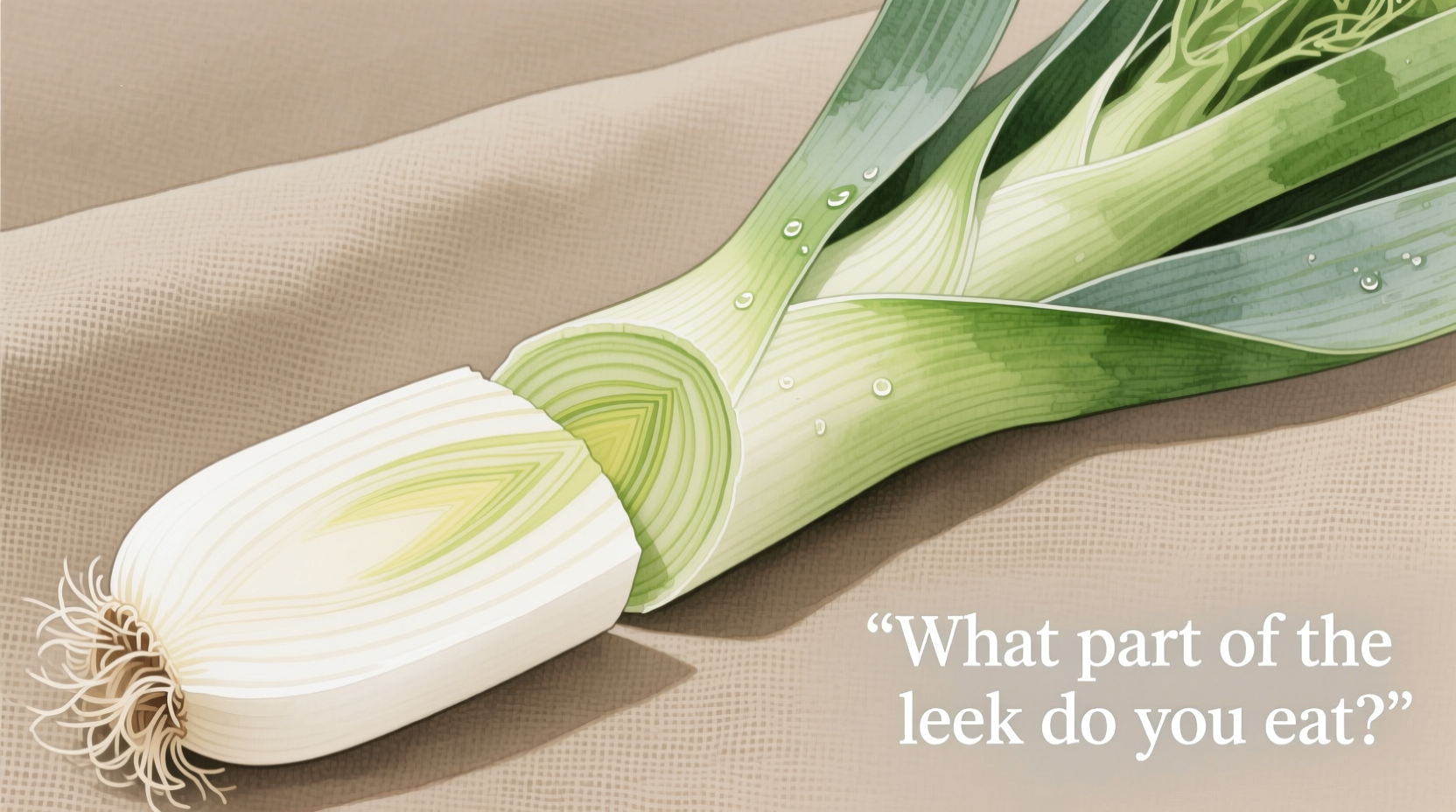
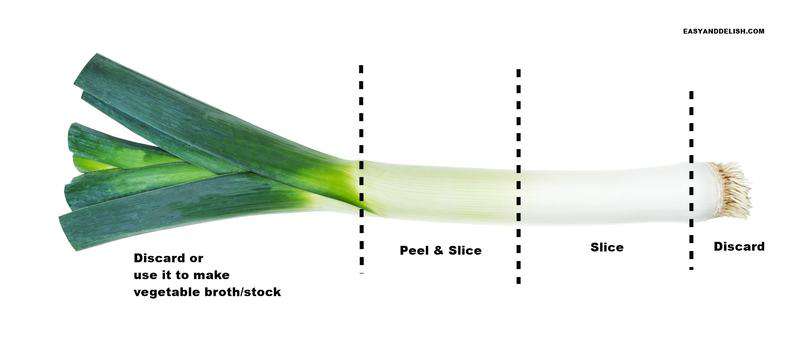
The short answer? You eat the white and light green parts—the bottom half of the stalk. But here’s the twist: the dark green tops are not garbage. They are just tough, not unusable. Think of them like a thick outer cabbage leaf: you wouldn’t eat that raw, but you can simmer it for stock or compost it with pride.
So, slice off the root end (the little hairy bit) and chop off the dark green leaves about two inches above where the color changes from pale to deep green. What remains is your goldmine of mild, onion-like flavor that turns silky when cooked.
Must Read
Why the Leek Deserves a Standing Ovation
Leeks are the gentle soul of the allium family. They lack the harsh bite of a raw onion and bring a sweet, buttery taste to dishes that feels almost elegant. Have you ever had a bowl of potato-leek soup on a rainy day? It’s like a hug in a bowl—creamy, soothing, and simple to make.
And here’s a fun secret: you can eat leeks raw too. Thinly slice the tender white part and toss it into a salad for a crisp, mild crunch that won’t make you cry. It’s like a green onion that went to finishing school.
Don’t Fear the Dirt
Leek lovers have one eternal enemy: grit. Because leeks grow with their stems buried in soil, tiny particles of dirt hide between the layers like little pranksters. Do not be defeated! Simply slice your leek lengthwise, rinse it under cool water, and fan the layers apart with your fingers. Watch the water run clear—and you win.
 What Part of the Leek Do You Use: Complete Guide
This step is non-negotiable. Biting into a sandy leek is the kitchen equivalent of stepping on a wet sock. Do that once, and you’ll never skip the rinse again.
Life Hack: The Green Tops Are Your Friends
You now know not to eat the dark green tops. But what should you do with them? Throw them in a freezer bag and save them for making homemade vegetable stock. They add a deep, savory complexity that makes your broth taste like it simmered for hours—even if it only did for 30 minutes.
You can also roast those tough greens! Toss them in olive oil and salt, roast at 400°F until crispy, and you get a snack that tastes like a lighter, greener kale chip. Experiment! The leek is not a dictator; it’s a collaborator.
 Instant Pot Potato Leek Soup (Vegan) - Easy and Delish
Make It Fun
Here’s a small challenge: the next time you’re at the farmer’s market, buy one leek that looks like it’s trying to be a small tree. Go home, slice it, wash it, and sauté it in butter until it turns golden and fragrant. Eat a piece straight from the pan. That caramelized, mellow sweetness? That is what you’ve been missing.
And if you want to feel like a culinary genius, swap leeks in any recipe that calls for onions. Your guests will glance around, tilt their heads, and say, “What did you put in this? It’s amazing.” You just smile and say nothing.
The Uplifting Takeaway
So, what part of the leek do you eat? Most of it—just with a little love and a thorough rinse. This seemingly simple question is really about learning that even the most confusing vegetables have hidden potential. It’s a playful reminder that life is richer when you take a moment to understand what’s in front of you, even if it means getting a little dirt under your nails.
You now hold the key to a vegetable that can transform a boring weeknight dinner into something memorable. Go forth, embrace the leek, and let its gentle flavor inspire you to ask more questions about the food on your plate. The world of cooking is full of these tiny, delightful puzzles—and you are already solving them.
