What Part Of The Cow Is Barbacoa

Let’s be real: you’ve probably ordered barbacoa at a taco joint, taken one bite, and thought, “This is magic. What is this magic?” It’s that tender, juicy, deeply beefy pile o...

Let’s be real: you’ve probably ordered barbacoa at a taco joint, taken one bite, and thought, “This is magic. What is this magic?” It’s that tender, juicy, deeply beefy pile of goodness that practically melts on your tongue. But if you’ve ever wondered what part of the cow actually makes that magic happen, you’re not alone. It’s a question that comes up when you’re staring at a menu, feeling brave but clueless.
Here’s the simple, surprising answer: traditional barbacoa comes from the cow’s head. Specifically, the cheek (cachete) is the star player, along with the tongue and sometimes the head meat around the jaw. Yes, the part that spends all day chewing grass and mooing at clouds. That’s where the flavor lives.
Think of it this way: you know how a tough, gristly cut of meat becomes a miracle after a long, slow cook? A cow’s cheek is basically the original tough guy. It works hard all day, so it’s packed with collagen and connective tissue. But when you steam or braise it for hours—like traditional barbacoa does—that tough guy turns into a cloud of beef.
Must Read
Why should you care about a cow’s face?
Because this is the cheapest, most underrated cut that tastes like a million bucks. When you buy a pricey steak, you’re paying for tenderness that’s already there. With barbacoa, you pay for patience and a little bit of guts. You get a reward that’s richer, more complex, and way more interesting than any filet mignon.
Imagine your friend who always brings the best leftovers to the office potluck. That’s barbacoa. It’s not flashy, but it steals the show. It’s the dish that makes people say, “Where did you get this? I need it in my life.”
So next time you see “barbacoa” on a menu, you can nod knowingly. You know it’s not some mysterious, fancy cut from the back or the ribs. It’s the humble cheek—or sometimes the whole head—cooked until it forgets it ever used to moo.
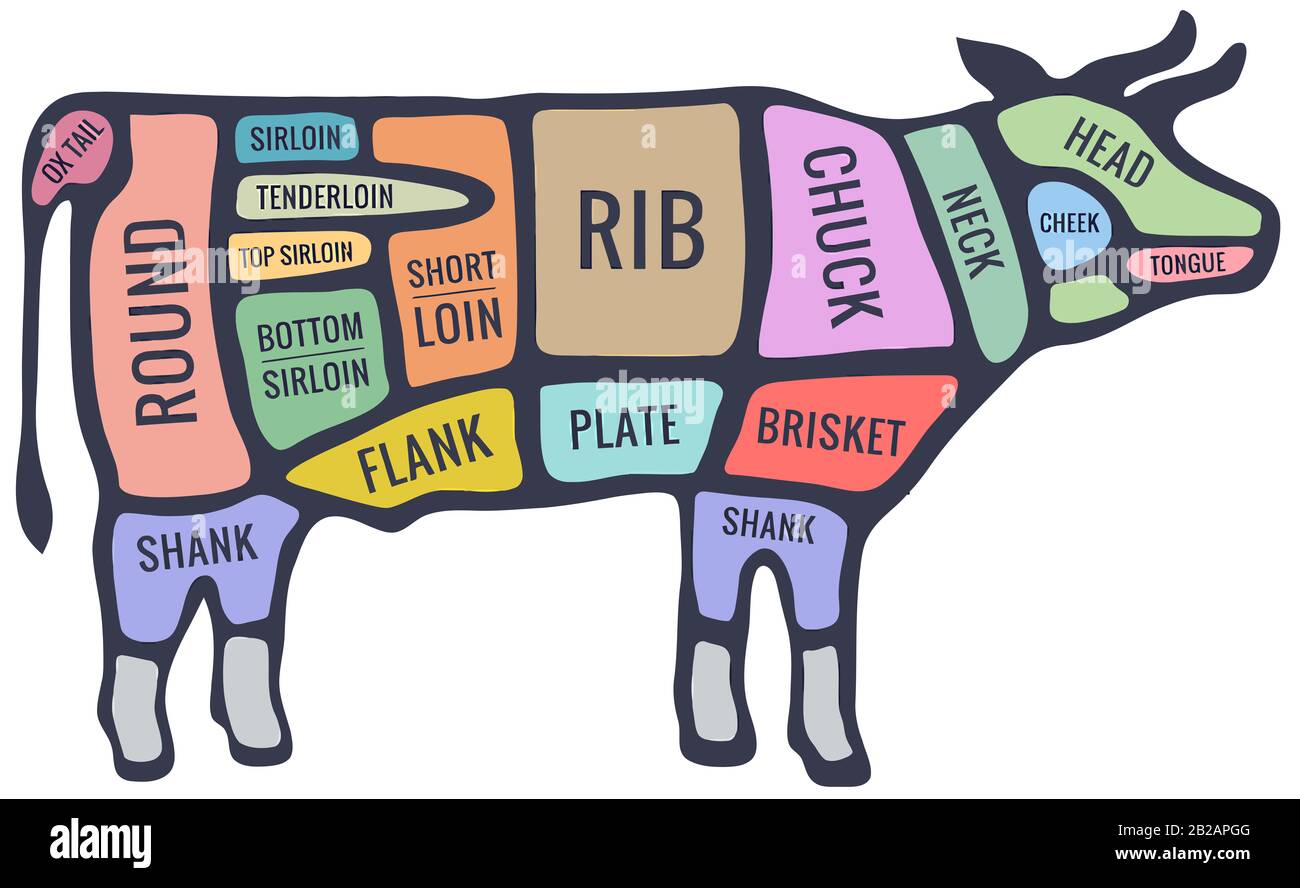 Beef Cow Parts
A little story to bring it home
I remember the first time I tried making barbacoa at home. I went to the butcher, cleared my throat, and asked for “beef cheek.” The butcher raised an eyebrow. “You know that’s from the head, right?” he said. I felt like a secret agent. I brought it home, slow-cooked it for six hours, and my kitchen smelled like a hug from Mexico. My family didn’t ask what part it was. They just asked for more.
That’s the beauty of knowing. You stop being squeamish about “weird” parts and start celebrating the flavor they give. The cheek, the tongue, even the sesos (brain)—these are the pieces that tell a story of tradition, resourcefulness, and pure, unapologetic deliciousness.
How to eat it like a pro
Barbacoa is not a solo act. It’s the star of a taco, but it needs a supporting cast. Grab some warm corn tortillas, a sprinkle of fresh cilantro, diced onion, and a squeeze of lime. That’s it. Don’t drown it in sauce. Let the beef speak.
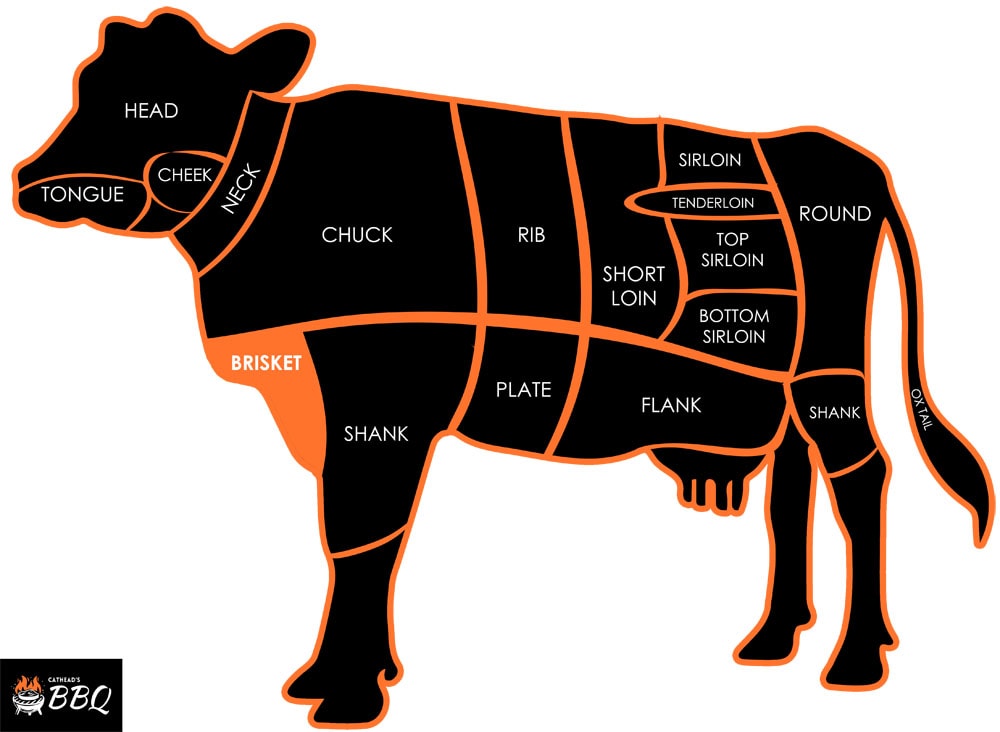 What Part Of The Cow Is Brisket? Complete Explainer
If you’re feeling adventurous, make a barbacoa quesadilla or pile it onto a loaded nacho plate. The texture is so tender it practically falls apart when you look at it. It’s forgiving, welcoming, and perfect for a Tuesday night when you need comfort food that feels like a celebration.
The bottom line (or the bottom of the cheek)
So, what part of the cow is barbacoa? The head. The cheek, the tongue, the bits that most people ignore. And that’s exactly why it’s so good. The cow spends its whole life using those muscles, packing in flavor. We get to unlock that with time and heat.
Next time you eat barbacoa, take a moment to thank the cow’s face. It’s not glamorous, but it’s real. And real, slow-cooked, juice-dripping-down-your-wrist flavor? That’s something worth knowing about.
