What Part Of The Cow Does Prime Rib Come From

If you’ve ever sunk your teeth into a perfectly roasted prime rib, you know it’s the kind of meal that makes everyone at the table go quiet for a second—just pure, beefy bliss...

If you’ve ever sunk your teeth into a perfectly roasted prime rib, you know it’s the kind of meal that makes everyone at the table go quiet for a second—just pure, beefy bliss. But here’s the thing: not all beef cuts are created equal, and prime rib holds a special spot in the kitchen because it comes from a very specific part of the cow. Knowing exactly where it’s from isn’t just trivia; it’s the secret to cooking it right, saving money, and impressing your friends.
Why does this matter? Because when you understand the cut, you own the cooking process. For individuals, it means no more dry, disappointing roasts. For families, it turns a holiday dinner into a memory that kids talk about for years. And for communities, sharing a prime rib at a block party or potluck is a sign of generosity—you’re literally giving the most tender, rich part of the animal. Plus, knowing the source helps you buy smarter; you won’t get tricked into paying premium prices for a lesser cut from the shoulder or leg.
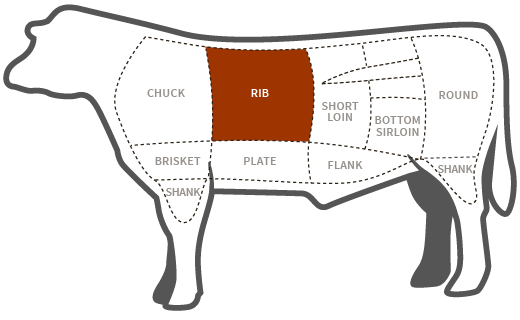
Prime rib comes from the primal rib section of the cow—specifically ribs six through twelve, located right behind the shoulder and above the belly. Think of it as the cow’s “ribcage” area, where the muscles get very little exercise. That lack of movement means the meat stays incredibly tender and marbled with fat, which is why it melts in your mouth. Butchers call this the “ribeye roll” before it’s roasted whole. When you buy a standing rib roast, you’re getting that entire chunk, bones included, from that exact spot.
Must Read
Real life? Oh, it’s everywhere. Picture a Sunday dinner at grandma’s house: she pulls out a bone-in prime rib, roasted low and slow, with a crispy peppercorn crust. Each slice is pink, juicy, and practically falls apart. Or think of a tailgate party where someone brings a smoked prime rib instead of burgers—that friend becomes legend. Even at upscale restaurants, the “Prime Rib Special” is always the first to sell out because people know that cut delivers consistent, rich flavor without any weird gristle.
 Where Does Prime Rib Come From?
To apply this knowledge easily, start with a simple rule: always ask your butcher for the standing rib roast (bone-in) or boneless ribeye roll from the rib primal. Avoid any cut labeled “chuck,” “round,” or “sirloin”—those are different muscles. When cooking, keep it simple: salt it heavily a day ahead, let it sit uncovered in the fridge, then roast at 450°F for 15 minutes, then drop to 325°F until it hits 130°F internally for medium-rare. Let it rest for 20 minutes. That’s it. You’ve nailed the best part of the steer.
In a world of confusing meat labels, knowing that prime rib comes from the upper rib cage—right between the foreleg and the loin—puts you in control. It’s not just a fact; it’s a tool. Next time you’re at the store or planning a feast, you’ll feel confident. Because when you serve that perfect, rosy slice, everyone will ask, “How did you do that?” And you’ll smile, knowing you started from the right spot on the cow.