What Part Of A Cow Does Prime Rib Come From

For many, a beautifully cooked prime rib is the undisputed centerpiece of celebratory meals, from holiday feasts to milestone anniversaries. Its deep, beefy flavor and incredi...

For many, a beautifully cooked prime rib is the undisputed centerpiece of celebratory meals, from holiday feasts to milestone anniversaries. Its deep, beefy flavor and incredible tenderness create an experience that feels both luxurious and deeply satisfying. This cut of meat is not just food; it is a tradition that brings people together around the table, encouraging slow savoring and shared appreciation. The sheer pleasure of cutting into a perfectly roasted prime rib, watching its rosy center give way to a savory, caramelized crust, is a culinary moment few can forget.
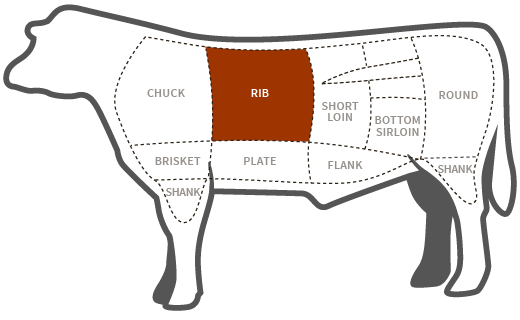
Understanding where this prized cut comes from is key to appreciating its value. Prime rib is taken from the primal rib section of the cow, specifically from the rib primal, which runs along the animal’s upper back between the chuck (shoulder) and the loin (rear). This area contains the ribs six through twelve. The muscle in this region does very little work during the cow’s life, which is the primary reason the meat is so remarkably tender. Because it is not a load-bearing muscle, it remains naturally soft and is richly marbled with fat, creating the succulent texture and flavor that prime rib is famous for.
The key purpose of serving prime rib is often to mark a special occasion, but its benefits extend beyond mere celebration. On an everyday level, mastering a prime rib roast teaches fundamental cooking principles, such as controlling oven temperature, using a meat thermometer accurately, and understanding carryover cooking. This knowledge elevates home cooking for all meat dishes. Imagine, for example, a family gathering where the task of cooking the prime rib is passed from one generation to the next. The confidence gained from successfully roasting that impressive cut becomes a lasting skill, transforming a holiday stress point into a source of pride and delicious consistency.
Must Read
To give context, think of a typical Sunday dinner scenario. A prime rib, weighing around six to eight pounds, is seasoned simply with salt, pepper, garlic, and herbs. As it roasts low and slow, the kitchen fills with an aroma that signals comfort and anticipation. The first slice reveals the perfect gradient of doneness—the juicy, pink center tinged with a deeper, roasted edge. This contrasts sharply with a cheaper cut, like a chuck roast from the shoulder, which requires long braising to become tender due to its constant work. Prime rib is luxurious precisely because it requires minimal intervention to achieve maximum satisfaction.
Another way to understand this cut is to consider its retail naming. When you buy a standing rib roast at the butcher or grocery store, you are buying the exact same primal cut that yields prime rib steaks. These individual steaks, often called ribeye steaks, are simply prime rib slices cut before roasting. A ribeye offers the same rich marbling and tenderness but in a quicker-cooking, single-serving format. This is perfect for a busy weeknight when you crave that premier beef experience but lack hours for roasting. Recognizing that a prime rib roast is just a larger, whole version of a ribeye steak empowers you to choose the format that best fits your time and gathering size.
 Where Does Prime Rib Come From?
For those eager to explore this cut on their own, a few simple tips can ensure success. First, always buy a roast with marbling—those thin, white streaks of fat running through the muscle—as this guarantees flavor and moisture. Second, salt the roast a day in advance. This dry-brine method allows the salt to penetrate deep into the meat, seasoning it from within while helping the exterior dry out for a better crust. Finally, invest in a reliable meat thermometer. Cook it low at 225°F until it reaches 120°F-125°F for rare, then let it rest for 30 minutes under foil. During resting, the internal temperature will rise to a perfect medium-rare, locking in juices that would otherwise run onto the cutting board.
In summary, prime rib is more than just a cut of meat; it is a testament to the value of understanding where food comes from. Sourced from the seldom-used rib section, it offers unparalleled tenderness and rich flavor that makes every meal feel like a holiday. Whether you are roasting a whole standing rib for a crowd or searing a single ribeye for yourself, this knowledge enhances the experience. By following the simple steps of selecting for marbling, salting ahead, and managing temperature, you can consistently bring the restaurant-quality delight of prime rib into your own home, creating memorable meals that celebrate both the ingredient and the effort behind it.