What Makes The Froth On An Espresso Martini

Most cocktail enthusiasts love a drink that looks as good as it tastes, and the froth on an espresso martini is one of those simple joys that never gets old. Watching a velvet...

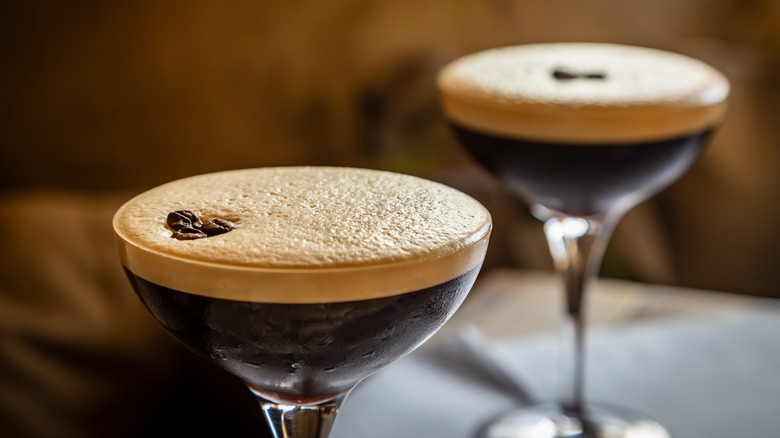
Most cocktail enthusiasts love a drink that looks as good as it tastes, and the froth on an espresso martini is one of those simple joys that never gets old. Watching a velvety layer of foam settle over a glass of dark coffee‑coloured liqueur feels like a tiny celebration you can sip. In this article we’ll explore why that froth is so appealing, how it adds texture and aroma, and what you can do to get it right every time. So grab your shaker and let’s dive in.
Froth serves two main purposes that make the espresso martini stand out. First, it creates a visual signature that signals the drink’s coffee origin and invites curiosity. Second, the aerated foam carries the aroma of espresso directly to the nose, enhancing flavor perception before the first sip. The foam also softens the high alcohol hit, giving the tongue a smoother experience. For the bartender, it’s a quick way to distinguish a well‑shaken cocktail from a hastily mixed one. That little detail can turn a casual night into a memorable moment.
The secret lies in the espresso’s crema, the brown‑gold foam that forms when hot water is forced through finely ground coffee under pressure. Crema contains oils and sugars that are perfect for trapping air, which is why a fresh shot of espresso yields a richer froth. When you combine that crema with a sweetened liqueur like Kahlúa or coffee‑flavored vodka, the sugars act as stabilizers, helping the foam stay longer. The alcohol lowers surface tension, allowing tiny bubbles to form and persist. It’s a simple physics trick that any home mixologist can master always.
Must Read
Current bars love to play with this concept, offering a handful of popular twists on the classic. A vanilla espresso martini swaps the black coffee liqueur for a splash of vanilla extract, softening the bitterness while keeping the froth silky. Some venues add a dash of cold‑foam milk, creating a milky cap that contrasts with the dark base. For those craving extra sweetness, a chocolate‑coffee variant introduces cocoa powder, which both thickens the foam and deepens the color. Each variation still relies on the same core aerating action. You can experiment at home with just a few pantry staples.
 The Crucial Cocktail Tip That Gives Espresso Martinis A Perfectly
To get that perfect froth at home, start by chilling your glass and ingredients; a cold surface helps the bubbles stay tight. Use a double‑strainer after shaking to remove ice shards while still letting the fine foam through. Shake the cocktail for a full 20 seconds with plenty of ice—we’re talking a hard shake, not a gentle swirl. Finally, pour slowly down the side of the glass, allowing the foam to rise naturally and settle into a smooth cap. Remember, consistency beats fancy equipment when it comes to foam.
Whether you’re hosting a weekend get‑together or simply treating yourself after a long day, mastering the froth on an espresso martini adds a touch of professional flair to any cocktail menu. The process is quick, the ingredients are affordable, and the payoff is a drink that looks as good as it tastes. So next time you lift a shaker, remember the science behind the bubbles, give it a hard shake, and always enjoy the satisfying sight of a perfectly frothy top.