What Kind Of Meat Is Pepperoni Made Out Of

There’s something wonderfully simple and universally loved about pepperoni. Maybe it’s the way it curls into a crispy, greasy cup on a pizza, or the satisfying snap when you b...
There’s something wonderfully simple and universally loved about pepperoni. Maybe it’s the way it curls into a crispy, greasy cup on a pizza, or the satisfying snap when you bite into a slice on a sandwich. This topic is so enjoyable because pepperoni is everywhere—from game-day snacks to late-night dinners—and yet, few of us stop to ask what’s actually inside that spicy, red disk. Understanding what makes pepperoni tick is practical because it helps you make smarter choices at the grocery store or when ordering takeout. Whether you’re a pizza purist, a charcuterie board enthusiast, or just someone who loves a good meat stick, knowing the basics can deepen your appreciation for this iconic food.
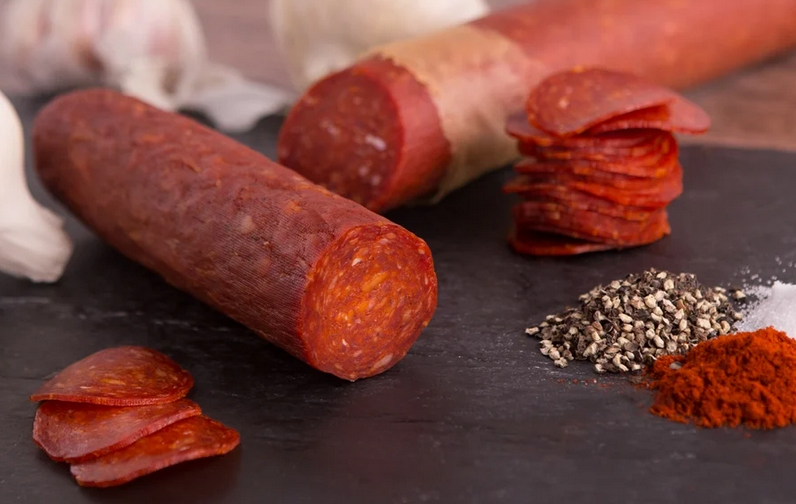
At its heart, pepperoni is a cured sausage, and its main ingredient is a blend of two classic meats: pork and beef. The exact ratio varies by brand, but most American-style pepperoni uses a mixture that’s roughly 60-70% pork and 30-40% beef. This combination gives pepperoni its characteristic texture—firm enough to slice, but tender enough to chew—and its rich, savory flavor. Some budget-friendly versions might include mechanically separated chicken or turkey as fillers, but traditional recipes stick to the pork-and-beef duo. The pork provides fat and a mild sweetness, while the beef adds a deeper, meatier note.
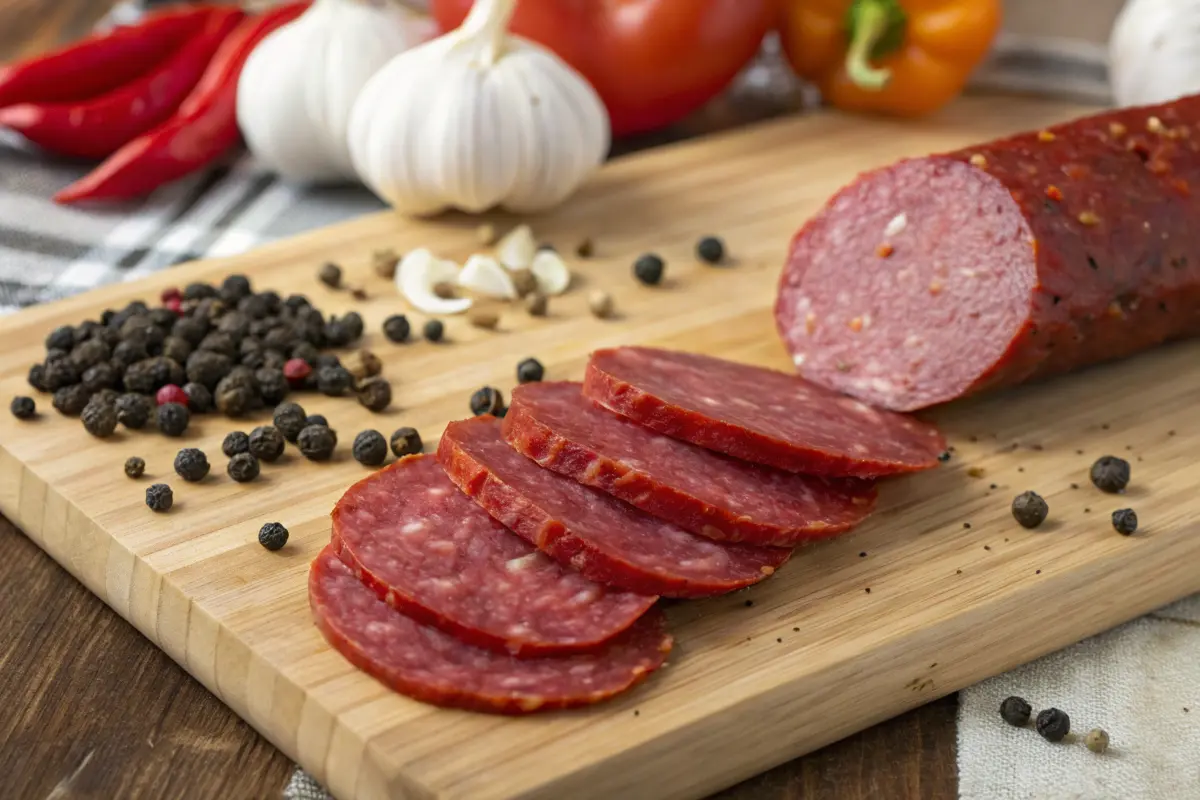
The magic doesn’t stop with the meat choice. Pepperoni’s distinctive taste comes from a carefully balanced mix of spices and curing agents. Paprika is the star, giving it that vibrant red hue and a subtle smokiness. You’ll also find garlic powder, cayenne pepper, black pepper, and sometimes fennel or anise for a hint of sweetness. To preserve it and give it that tangy zip, producers use lactic acid bacteria (the same culture used in yogurt) and nitrites or nitrates. These curing salts not only keep the meat safe from bacteria but also create that classic pink color and slightly firm snap you love.
Must Read
You might recognize some common variations that tweak this basic formula. For example, beef-only pepperoni is widely available for those who avoid pork due to dietary or religious reasons—it’s often spicier and denser. There’s also turkey pepperoni, which is leaner and lower in fat, perfect for health-conscious snackers who still crave that bold flavor. And if you’ve ever had a pepperoni stick from a gas station, you’ve eaten a version that’s often made entirely from mechanically separated chicken and pork, with a softer texture and milder taste. Each variation has its fans, but the classic pork-and-beef blend remains the gold standard.
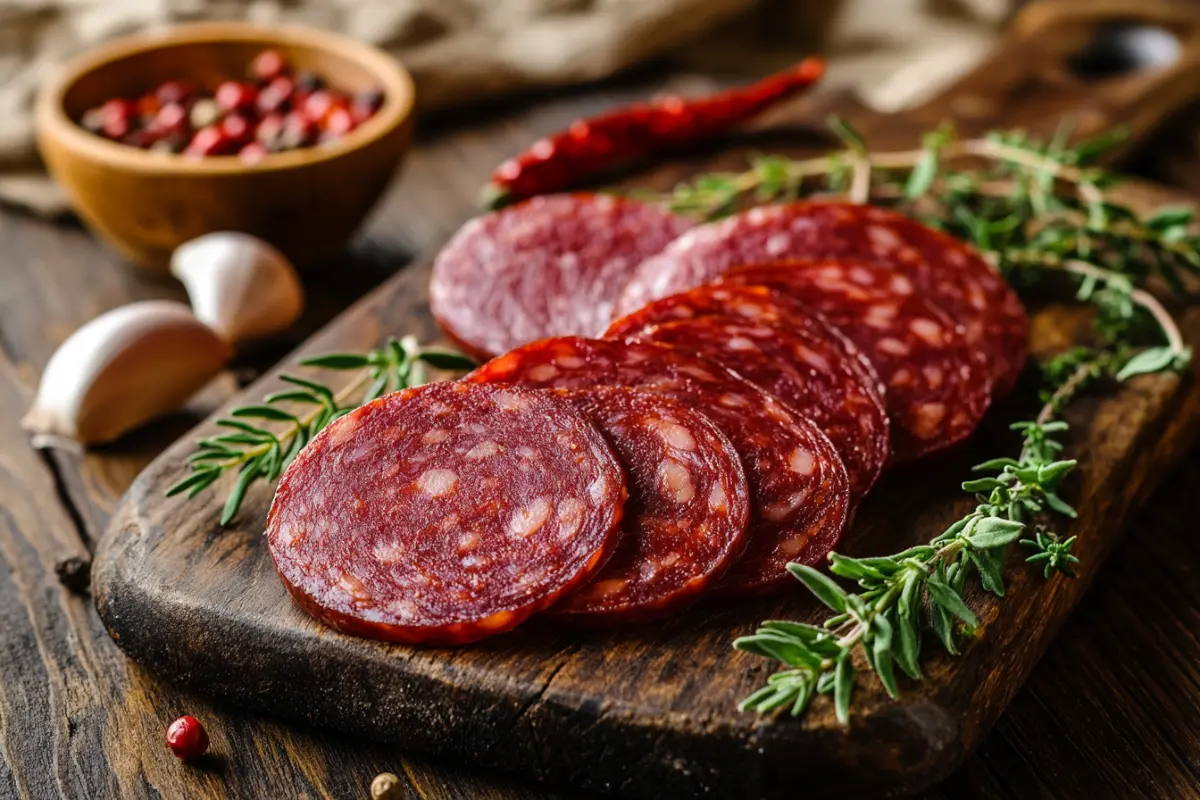 Easy Homemade Ground Beef Pepperoni Recipe – QLCWB
So, how can you make the most of this knowledge? Start by reading the ingredient list on your next package. If you want peak flavor and texture, look for pepperoni that lists “pork” and “beef” as the first ingredients, with no “mechanically separated” labels. For the crispiest pizza topping, choose a natural casing pepperoni—the casing shrinks as it cooks, creating those delightful grease cups. If you’re watching your sodium or fat intake, try turkey pepperoni on a salad or wrap; it’s a simple swap that still delivers plenty of spice. And don’t overlook artisanal or dry-cured pepperoni from a deli—it’s often less salty and more complex than the mass-produced slices.
Ultimately, pepperoni’s appeal lies in its incredible versatility. It’s a bridge food that connects quick college dinners with elegant antipasto platters. Understanding that it’s simply a spiced, cured sausage made mostly from pork and beef demystifies it without ruining the fun. Next time you pop a slice into your mouth, you’ll appreciate the science and tradition behind that tiny, perfect circle of meat. And whether you’re team crispy-on-pizza or soft-on-a-sub, you’ll know exactly why it tastes so good—and how to pick the right kind for your next craving.