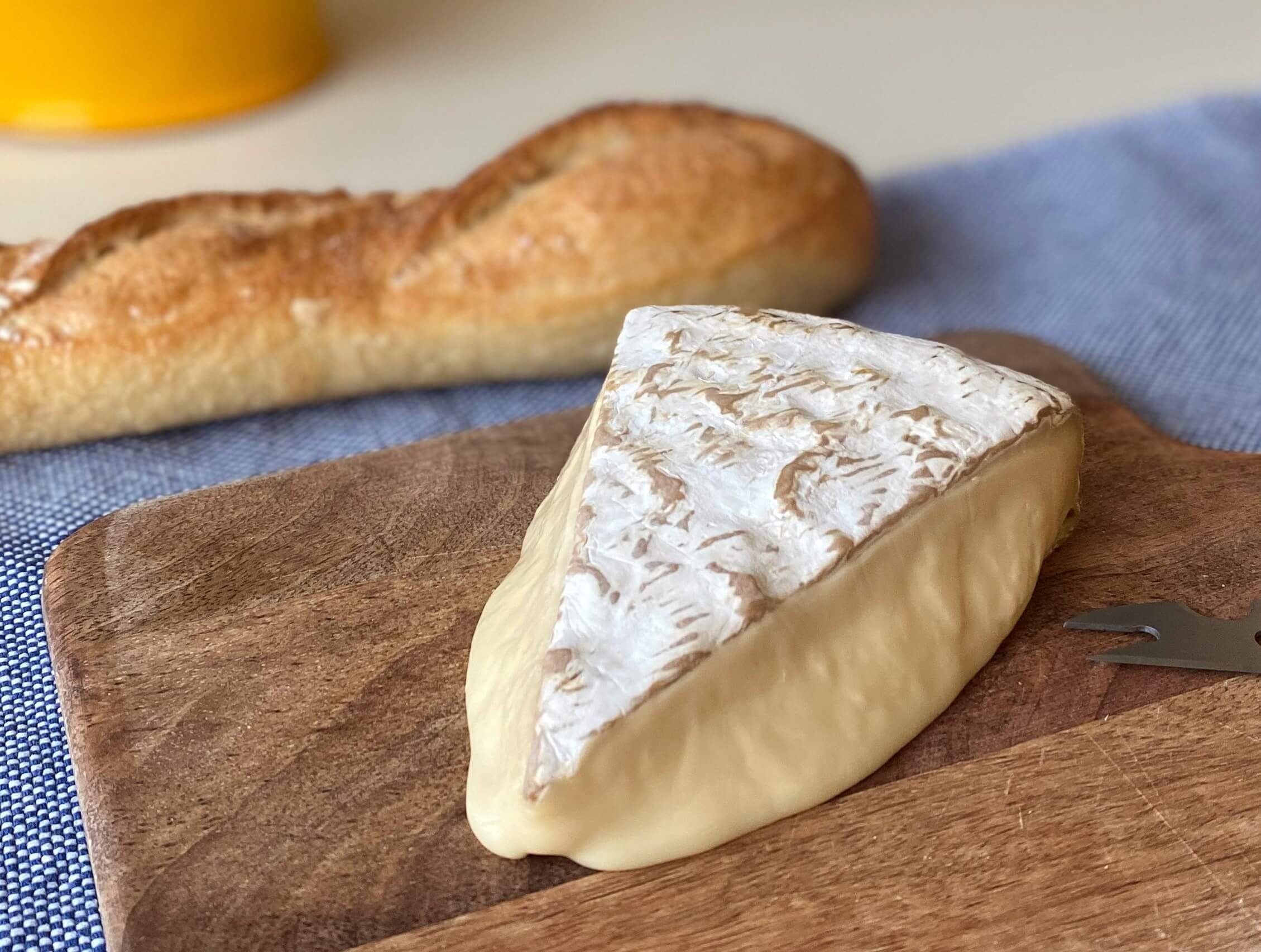
What Is The White Stuff On Brie Cheese

Okay, so you've got a gorgeous wheel of Brie sitting on your cheese board, and there it is — that silky, snow-white coating embracing every curve. Maybe someone in the room is...
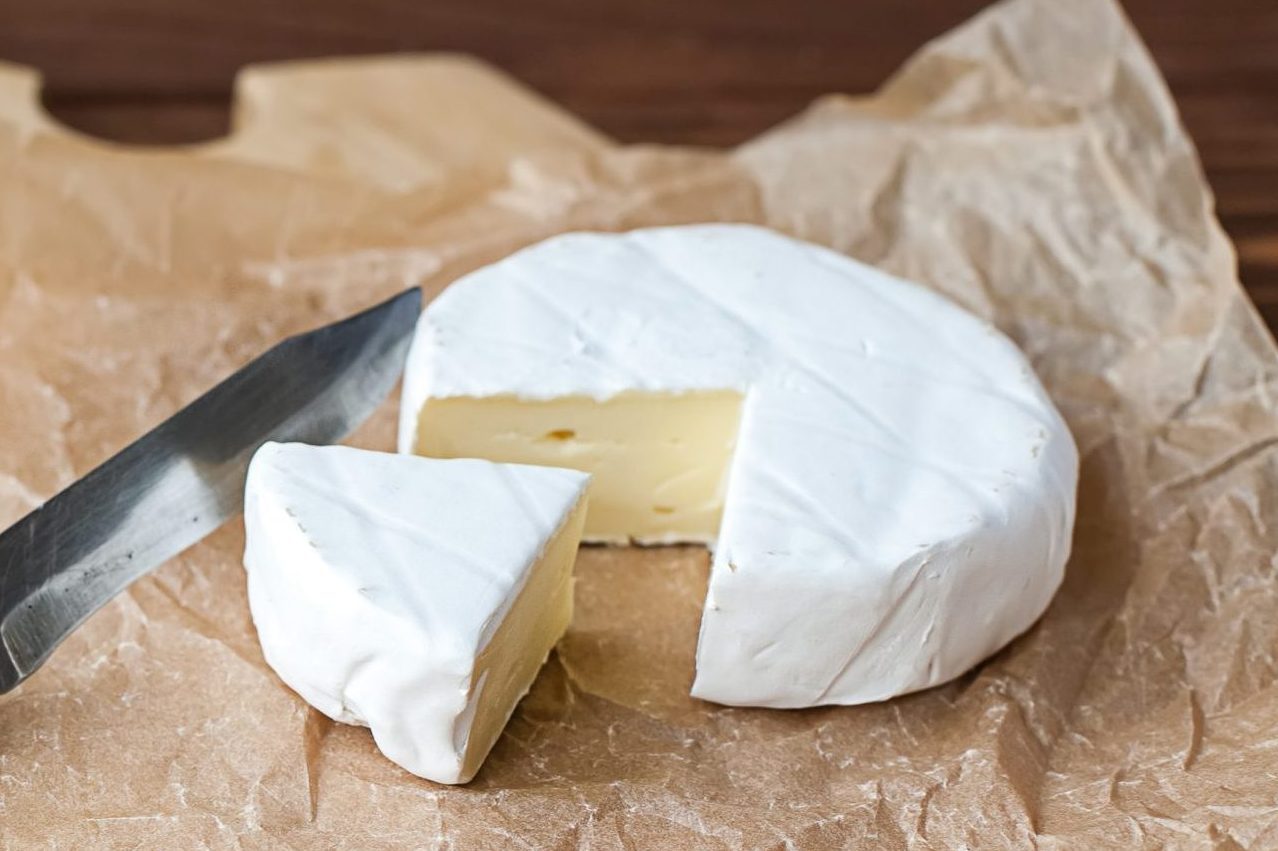
Okay, so you've got a gorgeous wheel of Brie sitting on your cheese board, and there it is — that silky, snow-white coating embracing every curve. Maybe someone in the room is eyeing it suspiciously, gently poking it with a fork. "Is this mold?" they whisper, as if the cheese might overhear them and be offended. Let's clear this up once and for all, shall we?
That perfectly pretty white layer is actually a type of mold — and before you reach for the nearest bottle of wine to drown your shock, hear me out. Not all mold is the enemy. It's all about the right mold in the right place. That's Penicillium candidum, a friendly little fungus whose entire life mission is to make your Brie taste absolutely heavenly. Nature, what a overachiever.
So what's actually happening under that fuzzy exterior? While the outer layer of fungi is quietly doing its thing, the enzymes they produce are breaking down the proteins and fats inside the cheese. This process is called affinage, and it's essentially the cheese's glow-up routine. Over time, the inside transforms from dense and rubbery into that oozy, buttery, utterly addictive texture we all can't resist. It's like the cheese equivalent of going from bedhead to red carpet ready.
Must Read
Now, is it safe to eat? Absolutely. In fact, it's not just safe — it's deliciously encouraged. That white rind is completely edible and packed with nutty, earthy flavor that plays off the creamy interior like a warm duet in a jazz bar. That said, if your Brie has turned gray, green, or smells like someone left gym socks in the fridge — well, give it a miss. There's a scene in every cheesy movie where someone says "when in doubt, throw it out," and that scene applies here too.
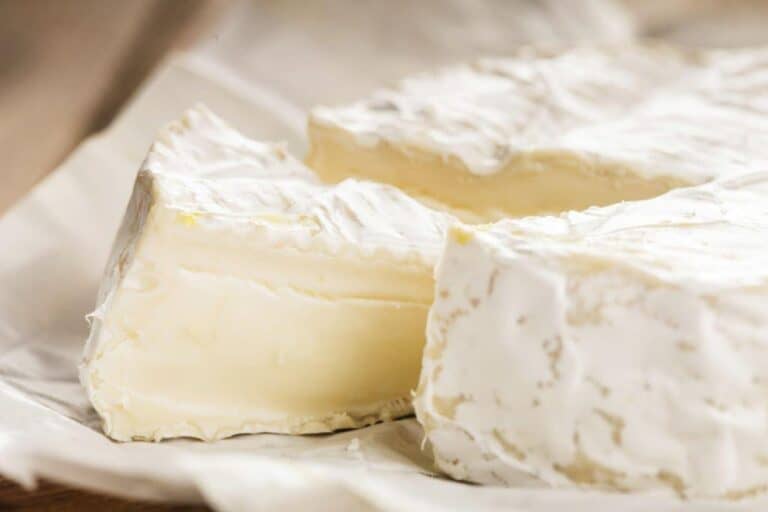 What Is the White Stuff on Outside of Brie Cheese? Do You Eat Them
Ever wonder how all that white magic gets there in the first place? Cheese makers spray the young Brie with spore cultures and then tuck it into a cool, humid aging room. Over the following weeks, the mold blooms across the surface like frosting on a cake — because essentially, it is frosting. Artisan cheese frosting. How cool is that? A little patience and the right environment, and you've got yourself a work of edible art.
Here's a fun tip for your next gathering: if you're worried your guests will be too eager to peel that rind off, just casually mention how much flavor it adds. Flash that knowledgeable smile, and suddenly you're the cheese expert at the table. You're welcome.
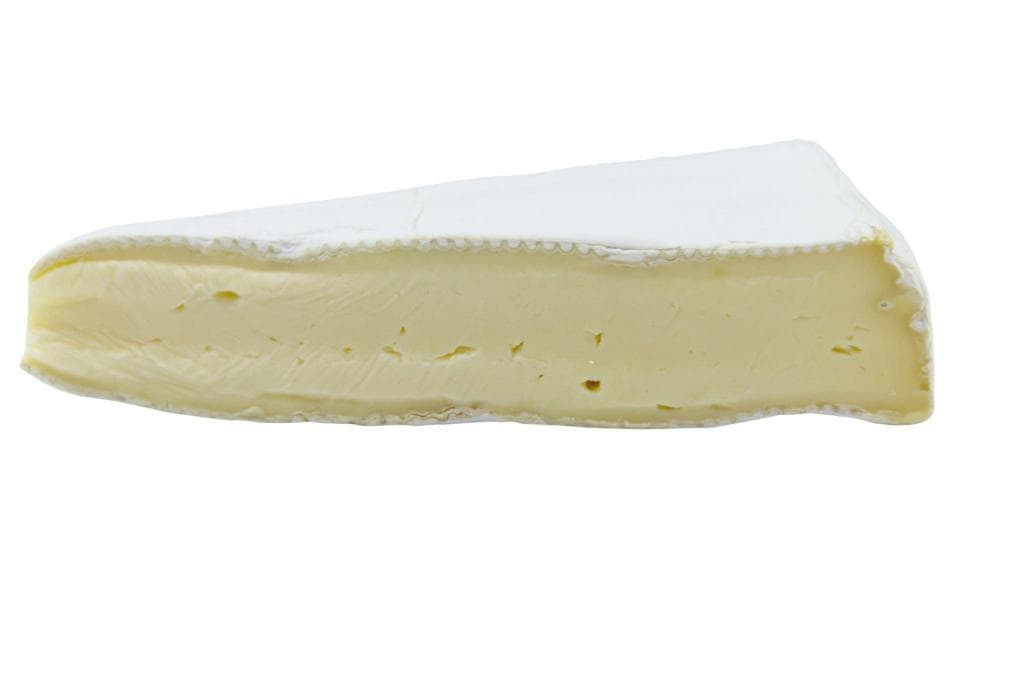 What Is the White Stuff on Outside of Brie Cheese? Do You Eat Them
So the next time someone skims off that gorgeous white layer and tosses it aside like yesterday's newspaper, you can lean in with a knowing grin and say, "Hey — you're throwing away the best part." And honestly? That might just be the most brie-Illiant conversation starter you'll have all evening. 😉
In the end, life's too short to rind-free your cheese. Embrace the fuzz, savor the flavor, and remember: the white stuff on Brie is exactly what makes it brie-tiful in the first place. Now go forth and cheese with confidence — you've earned it. 🧀