What Is The Temperature In Moon

So, you’re wondering what the temperature is on the Moon? That’s like asking what the temperature is in a snowstorm that’s also a desert that’s also on fire. It’s a bit of a t...

So, you’re wondering what the temperature is on the Moon? That’s like asking what the temperature is in a snowstorm that’s also a desert that’s also on fire. It’s a bit of a trick question, because the Moon doesn’t have an atmosphere to smooth things out. On Earth, we’ve got this lovely blanket of air that keeps temperatures cozy and stable. The Moon? It’s basically a naked rock in space, flipping between a scorching sauna and a deep freeze faster than you can say “sunblock.”
Let’s start with the sunlit side. When the Moon is facing the sun, it’s like standing in a pizza oven at high noon on Mercury—except there’s no breeze, no shade, and definitely no ice cream. We’re talking about a toasty 260°F (127°C). That’s hot enough to fry an egg, melt lead, and turn your favorite flip-flops into a puddle of regret. And it happens every single lunar day, which lasts about two Earth weeks. You’d better pack a really, really good parasol.
Now, flip the script. When the sun goes down on the Moon—and it takes its sweet time, too—things get chilly. Not “maybe grab a sweater” chilly. We’re talking -280°F (-173°C) during the lunar night. That’s colder than the coldest recorded temperature on Earth (Antarctica’s -128°F), and it’s colder than dry ice. If you were standing there, your breath would freeze into tiny diamonds. Actually, scratch that—you wouldn’t be breathing, because there’s no air. But if you had a hot cocoa, it would turn into a frozen rock in seconds. Brrr.
Must Read
So, the short answer? It depends on where you stand. The Moon’s temperature swings by a bonkers 540°F from day to night. That’s like jumping from a sauna into a walk-in freezer, then back again, and repeating that cycle every 28 days. No wonder astronauts need suits that are basically personal spaceships. Their gear has to handle both extremes: a toasty 127°C and a frosty -173°C, all while keeping their chatter deliciously human.
Here’s a fun little aside: The Moon’s polar regions are a different story. Deep inside some craters at the south pole, where sunlight never reaches, scientists have found water ice. Those shadowed craters hover around -400°F (-240°C). That’s colder than Pluto! So if you ever hear someone say “off to the Moon’s south pole for a vacation,” you can laugh knowingly. It’s the perfect spot for a really long nap—or storing your leftovers forever.
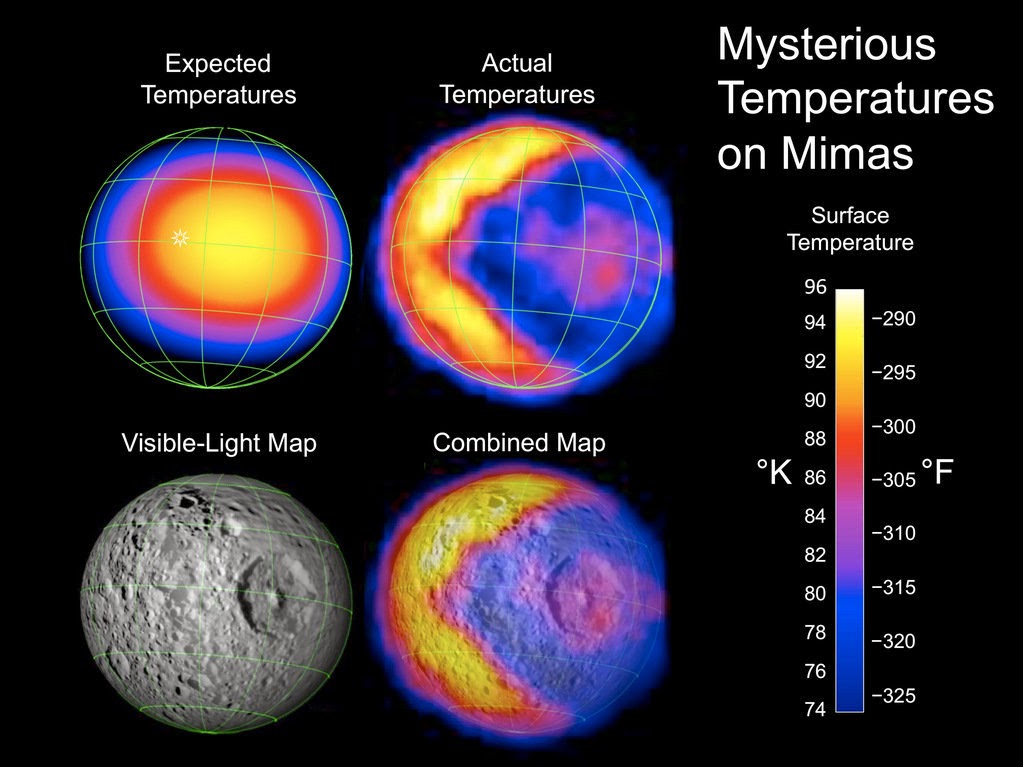 4. The Moon is very hot during the day but very cold at night. The
And here’s a silly but true fact: Temperature on the Moon isn’t just about day and night. It also depends on what you’re touching. The regolith—that moon dust—is a terrible conductor. The top layer might be roasting, but dig down just a few centimeters, and the ground stays a comfy -20°F. So while your feet sizzle, your toes could be cool. It’s like a cosmic hot-and-cold foot massage, if you ignore the lack of oxygen and the radiation.
So what’s the takeaway? The Moon is a place of extreme contrasts. It doesn’t have “weather” in any way we understand it. No clouds, no wind, no rain—just raw, unfiltered temperature drama. But here’s the uplifting part: We’re the only species that knows this. We’ve sent robots and people up there to measure it, to chuckle at the absurd swings, and to dream of what we might build when we finally get our moon boots on. The Moon’s temperature may be wild, but our curiosity is way hotter—and our determination, a lot cooler under pressure. So next time you look up at that glowing rock in the night sky, smile. It’s not just a light; it’s a beautiful, bipolar, temperature-defying reminder that even in the most extreme places, we find a reason to explore.

