What Is The Season For Rhubarb

So, you’re standing in the grocery store, or maybe poking around a farmer’s market, and you see these stalks of rhubarb. They look like a cross between crimson celery and a ti...
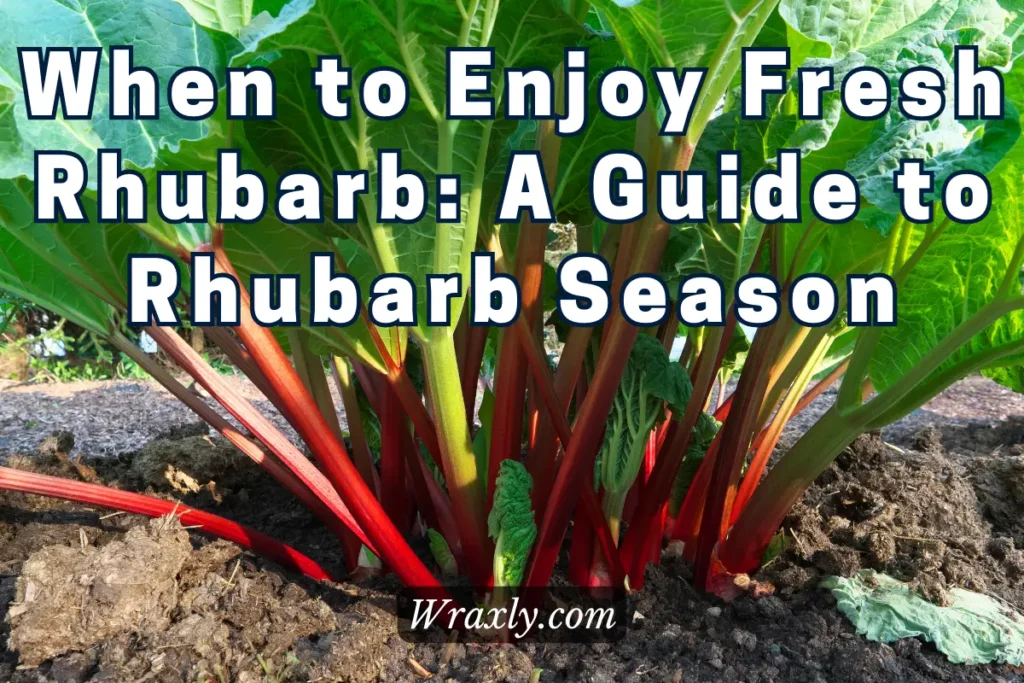
So, you’re standing in the grocery store, or maybe poking around a farmer’s market, and you see these stalks of rhubarb. They look like a cross between crimson celery and a tie-dye project gone right. You probably know the drill: you can’t eat the leaves, and the stalk is so sour it makes your cheeks pucker. But when on earth do we actually get to eat this stuff? Let’s dig into the season for rhubarb, and I promise it’s more interesting than just a date on the calendar.
First, let’s get the basic truth out of the way: rhubarb is a spring vegetable. But not just any spring veggie—it’s the harbinger of warmer days. Think of it as the botanical equivalent of a groundhog that tastes like pie. Just when you’re tired of winter’s root veggies (potatoes, carrots, yawn), rhubarb bursts out of the ground like a tart, pink firework.
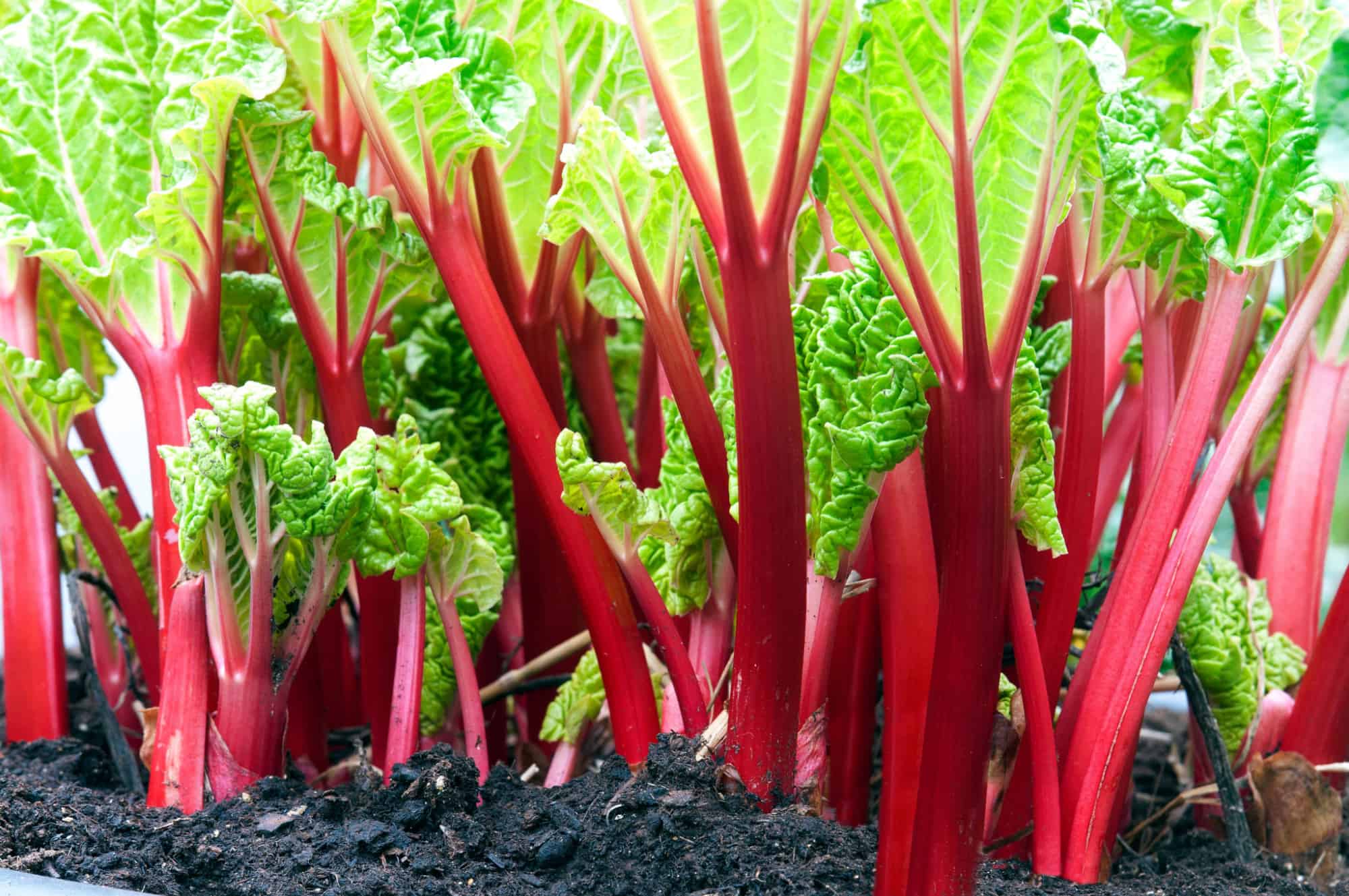
Here’s the cool part: rhubarb actually has two distinct seasons. We know, right? It’s like having a double feature. The first season is the “forced” rhubarb, sometimes called “hothouse” rhubarb. This stuff is grown indoors in the dark, in places like the famous “Rhubarb Triangle” in England. Because it’s grown in complete darkness, it lacks sunlight, so it produces tender, pink, and very sweet stalks. This crop shows up as early as January or February, a crazy welcome surprise when the rest of the world is still frozen solid.
Must Read
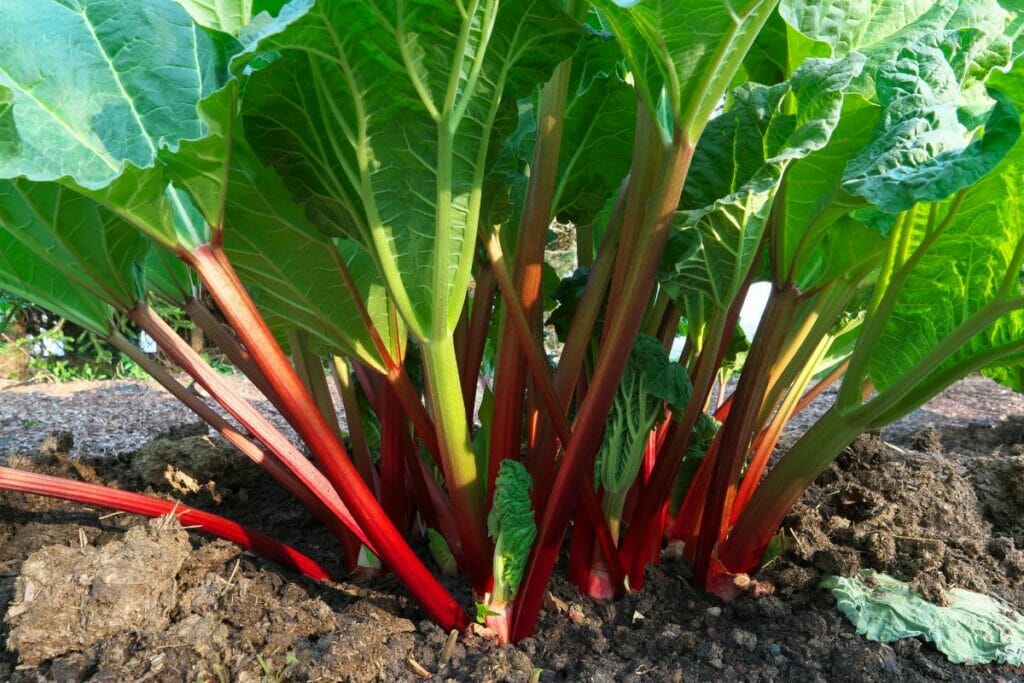
Then there’s the main event: the field-grown rhubarb. This is the classic, old-fashioned stuff you remember from grandmas’ gardens. It grows outside, soaking up the spring sun and rain. This variety is thicker, greener, and much more tart. It usually hits its peak from April through June. So, if you’re planning a strawberry-rhubarb pie for a picnic, late April is your sweet spot.
Why is it so tied to spring? It’s not just because it’s pretty. Rhubarb is a cold-weather warrior. The plant actually needs a period of cold winter dormancy (around 40°F or cooler) to wake up and grow properly. It’s like the plant hits the snooze button all winter, then stretches and yawns into springtime. When the soil warms up, it races to grow before summer heat makes it tough and woody. It’s a short and frantic window of perfection.
 When Are Rhubarbs In Season? Your Complete Guide
Speaking of perfect, here’s a fun comparison: Rhubarb is the sour candy of the vegetable world. You know how you bite into a Warhead or a Sour Patch Kid? That’s rhubarb’s vibe, but without the sugar coating. It brings this electric, tongue-tingling brightness that’s the exact opposite of heavy winter food. It’s the citrus fruit of the north, but it grows in your backyard. How cool is that?
Now, let’s talk about that famous partnership. Strawberry and rhubarb are the peanut butter and jelly of the pie world. But have you ever wondered why? It’s not random. The two fruits (well, rhubarb is a veggie, but we use it as a fruit) ripen at the exact same time. Nature created this perfect match—the sweet, floral berries balance the sharp, acidic rhubarb. It’s a spring romance that ends up in a flaky crust.
You might be wondering: can I eat rhubarb all summer? The answer is technically yes, but the quality changes dramatically. As temperatures climb in July and August, the stalks get thicker, tougher, and more fibrous. The plant puts its energy into growing huge leaves (which are poisonous, remember?) rather than tender stalks. Many gardeners stop harvesting by late June to let the plant rest for next year. So if you see rhubarb in August, it’s either forced again or from a cooler, mountain region.
 When Is Rhubarb In Season? Here’s What You Should Know - The Rusty Spoon
Here’s a pro tip: look for thin stalks. I know it’s tempting to grab the giant, chunky ones, but those are often woody and stringy. The thinner, more delicate stalks are usually the sweetest and most tender. Also, the color doesn’t always tell the story—some green rhubarb is just as sweet as the red stuff. It’s like judging a book by its cover; don’t do it.
So, what’s the final word on the season? If you want the most tender, candy-like rhubarb, you hunt for forced pink stalks in late winter (February-March). If you want the classic, punchy tartness for jams and pies, wait for field-grown rhubarb from April to June. Either way, you have a brief window to catch this quirky plant at its best. After that, you’re waiting for next spring.
It’s basically the mall Santa of produce. You only see it for a few magical months, it’s a little odd, and it leaves just as quickly as it arrived. But when it’s here, you want to enjoy it. So next time you see rhubarb, remember: it’s not just a stalk. It’s the chill, tart herald of everything good about spring. Grab it while the getting is good.
