What Is The Safe Internal Temperature Of Chicken

Welcome, culinary explorers and kitchen heroes! Let’s talk about one of the most empowering secrets in cooking: the safe internal temperature of chicken. Why is this fun? Beca...
Welcome, culinary explorers and kitchen heroes! Let’s talk about one of the most empowering secrets in cooking: the safe internal temperature of chicken. Why is this fun? Because instead of playing a nerve-racking guessing game with your dinner (salami-colored juices? pink near the bone?), you get to become a precision artist. Knowing your chicken’s “done” temperature means you’ll never serve a dry, rubbery bird again—and you’ll safely dodge the horrors of food poisoning. The advantages are huge: you gain total confidence, your meals become consistently juicy, and you instantly look like a pro. Let’s unlock this simple, life-changing number.
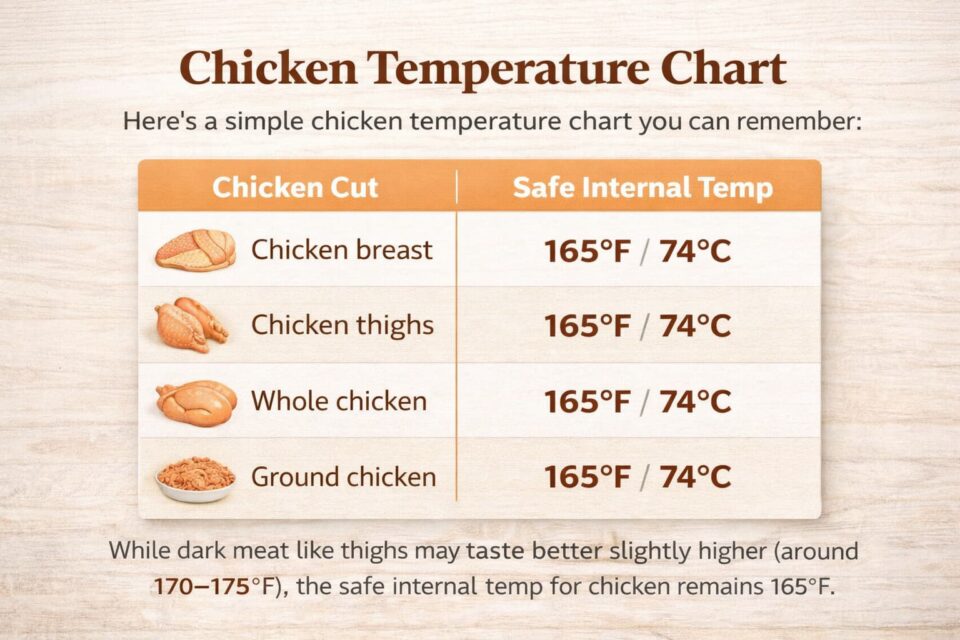
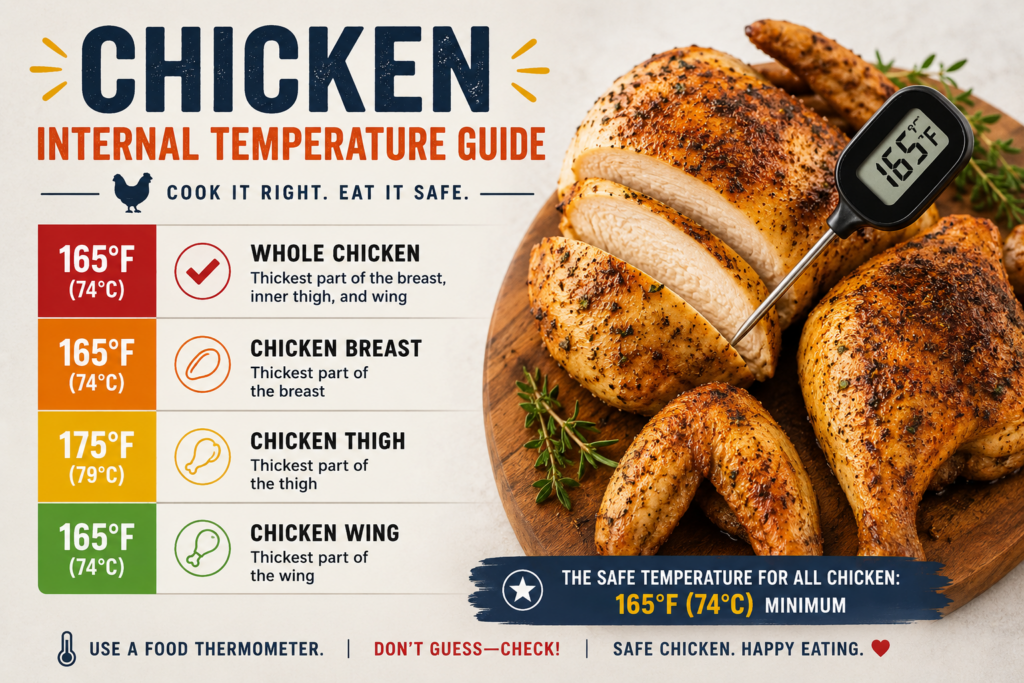
First, the sacred number itself. For whole chicken, breasts, thighs, wings, and even ground chicken, the universally accepted cutoff is 165°F (74°C). That’s the temperature at which the nasty bacteria—looking at you, Salmonella and Campylobacter—are zapped in less than a second. But here’s the fun twist: it’s not just a number; it’s a promise. When you pull the chicken at exactly 165°F, the meat fibers haven’t been squeezed dry by excessive heat. The magic of carryover cooking (where the meat keeps rising a few degrees after you pull it from the heat) means you hit safety without sacrificing succulence. Think of 165°F as your golden ticket—not a punishment, but your best friend in the kitchen.
Now, let’s play with the science in a creative way. Imagine you’re hosting a “Chicken Olympics.” The breast is the sprinter: it’s lean, cooks fast, and dries out quickly if you blink. You want it to reach exactly 165°F and stop. The thigh is the marathon runner: it’s fatty, connective-tissue-heavy, and loves a longer, slower race. Guess what? You can actually cook thighs to a higher temp—175°F to 185°F—and they’ll become fall-apart tender. Yes, dark meat has its own set of rules. The USDA’s 165°F is the minimum safety floor for all chicken, but dark meat rewards you for climbing higher into that “braise zone.” So don’t treat a leg like a breast; give it the luxury of time.
Must Read
Let’s get practical with your most important tool: the instant-read thermometer. Forget the “cut into it to check” method—that only releases juices and adds guesswork. Instead, insert the probe into the thickest part of the meat, avoiding bone. For a whole chicken, aim for the inner thigh near the joint (not touching the bone). For breasts, slide it in from the side. Here’s a pro tip to make you look like a genius: pull the chicken off the heat about 5°F before your target. So for a breast, remove it at 160°F; for thighs, 170°F. Let it rest under foil for 5–10 minutes. During this rest, the temperature will rise to 165°F and 175°F respectively, while the juices redistribute. You’ll get a perfectly safe and perfectly moist result every single time.
Now, what about the classic leftovers debate? You’ve got a mountain of roasted chicken, and you want to reheat it without turning it into cardboard. The same rule applies: 165°F is your magic number for reheating. But here’s the creative twist: add a splash of broth, water, or even a pat of butter to the pan before you cover it. The steam will help the meat regain its moisture while the thermometer does its safety dance. Alternatively, shred cold chicken and use it straight in cold salads or sandwiches—no reheating needed! Just keep cooked chicken below 40°F (refrigerated) and use it within 3–4 days. The golden rule is: when in doubt, probe it out. If it’s been sitting out for more than 2 hours, skip the gamble and toss it.
 Chicken Internal Temperature Guide for Smoking (Safe Temps + Best
Here’s a final, game-changing tip for the adventurous: try pasteurization through time. Yes, the FDA and USDA allow chicken to be held at lower temperatures if you maintain them for long enough. For example, holding chicken at 150°F for 3 minutes or 155°F for less than a minute also kills the bad guys. This is how sous-vide chefs create the most insanely tender, pink-free chicken you’ve ever had. You don’t need a fancy machine—just a reliable thermometer and a bit of patience. But for 99% of home cooks, sticking to 165°F in the oven, pan, or grill is the easiest, safest, and most delicious path. Remember: a cold, undercooked chicken is a party pooper; a perfectly temped bird is a celebration.
So never fear the chicken again. Arm yourself with a cheap thermometer, respect the 165°F mantra (and the dark-meat exceptions), and watch your confidence soar. You’ll serve up breasts so juicy they sing, thighs that melt like butter, and a whole roasted bird that makes you the hero of the table. Safety and flavor are not enemies—they’re dance partners. You just learned the steps. Now go forth, probe that chicken, and eat like a champion.
