What Is The Outer Layer Of Brie

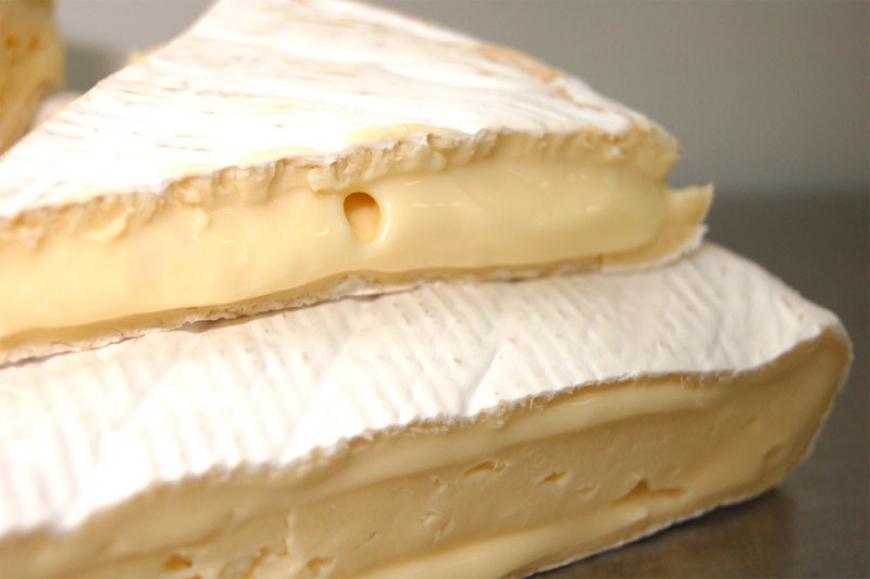
There’s a quiet, almost ritualistic joy in slicing into a ripe wheel of Brie. You anticipate the soft, buttery interior, but your knife first meets a pale, textured surface th...
There’s a quiet, almost ritualistic joy in slicing into a ripe wheel of Brie. You anticipate the soft, buttery interior, but your knife first meets a pale, textured surface that gives just a little resistance. This is the bloomy rind, the iconic outer layer that is as integral to the experience as the luscious paste within. For many, the question of whether to eat it or avoid it is the first and most delightful puzzle of cheese appreciation.
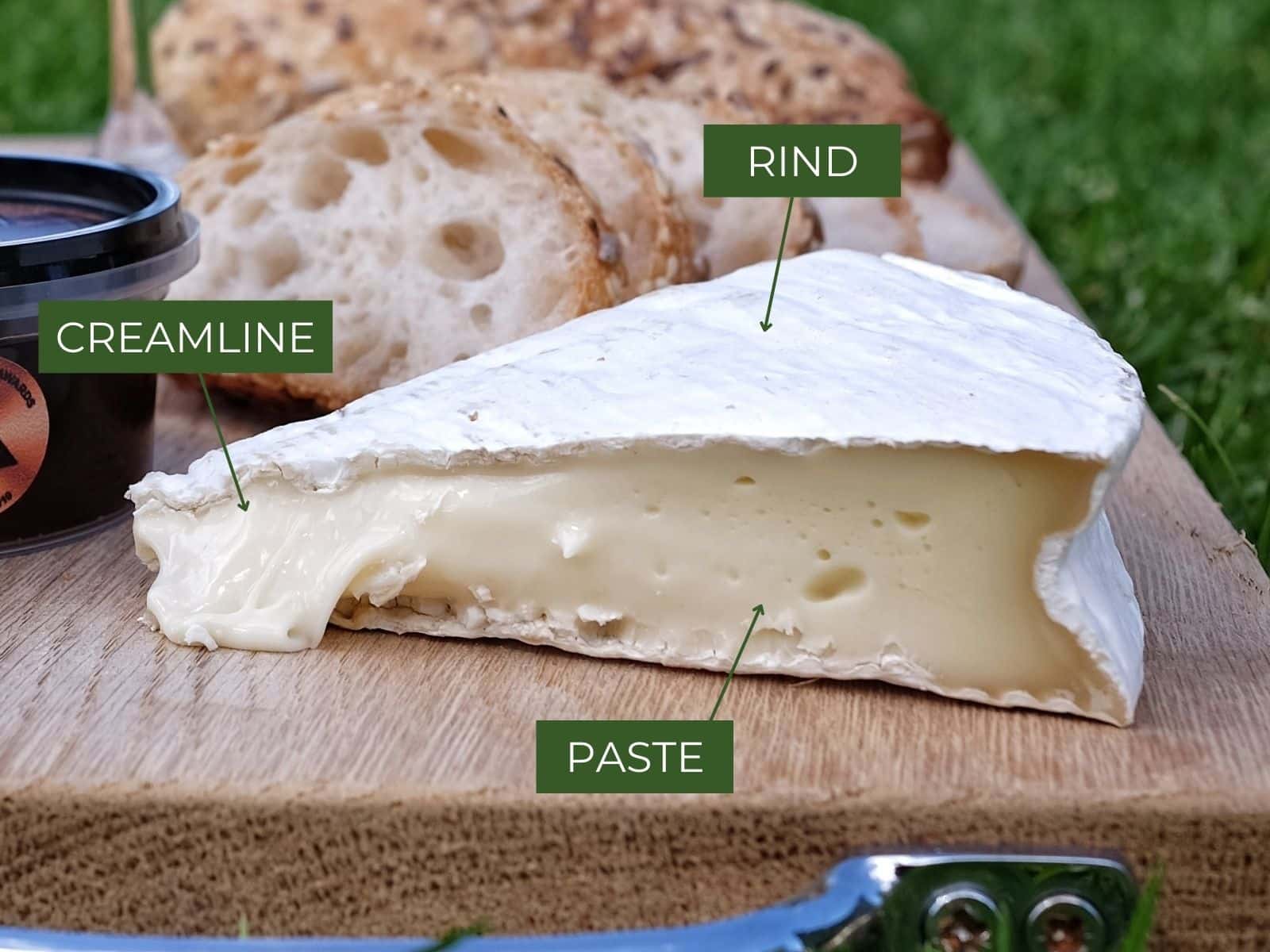
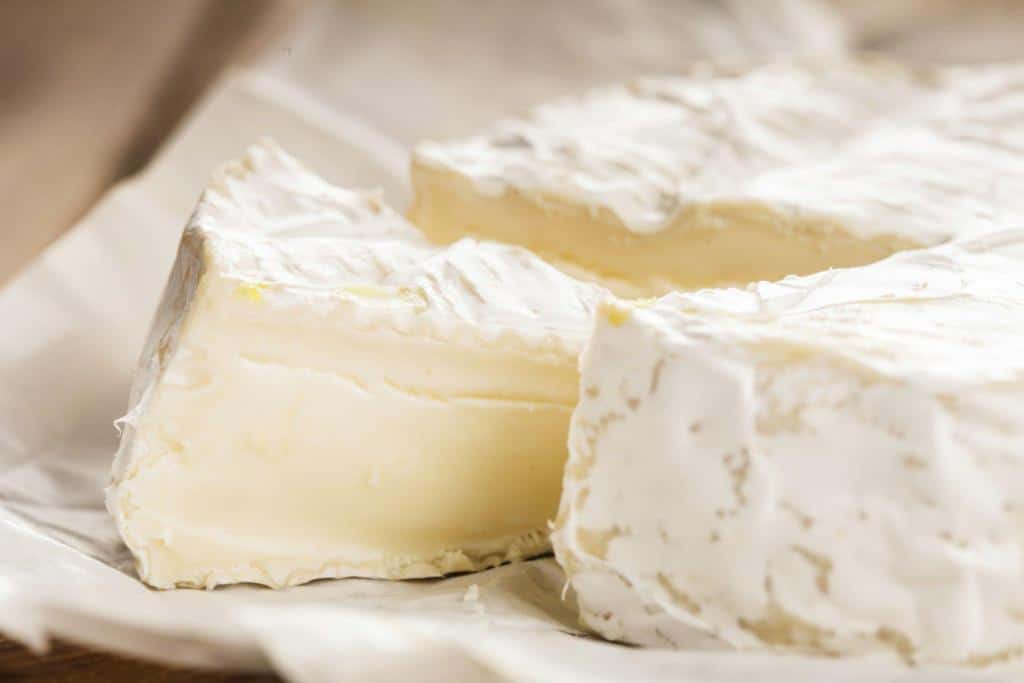
This delicate, white crust is not just a casing; it is the living skin of the cheese. Its key purpose is to act as a biological guardian. Made from a specific mold strain called Penicillium candidum, the rind is sprayed onto the fresh cheese curd at the start of its life. Over weeks of aging in a humid cave, this mold grows, breaking down the proteins and fats on the cheese’s surface. This process is what transforms a bland, crumbly curd into the famously creamy, spreadable Brie we love—a journey from the outside in.
This outer layer is a powerhouse of transformation that directly benefits your everyday enjoyment. Without it, you would never experience that iconic velvety texture. The enzymes from the mold gradually soften the cheese from the edge toward the center, creating a gradient of texture: a firm, chalky core in a very young Brie that gives way to a luscious, spoonable runniness as it matures. Imagine serving a perfectly ripe Brie at a dinner party—the guest who cuts a wedge and sees the creamy interior flowing gently from the cut knows they are in for a treat. That moment is entirely orchestrated by the bloomy rind.
Must Read
In everyday life, the rind also simplifies cheese eating. It creates a natural, hygienic package that is easier to handle than a naked, sticky paste. It provides a stable, grip-friendly surface for slicing, and it means you can enjoy Brie directly on a cracker without utensils—a simple, satisfying snack for a quiet afternoon. The rind’s subtle, earthy flavor—mildly mushroom-like and slightly ammonia-rich—is a deliberate counterpoint to the mild, milky paste. A bite that includes both the rind and the interior delivers a complex, two-stage experience: a gentle, firm texture on the tongue, followed by a luxuriously creamy melt.
To truly explore the rind on your own, start with a young, high-quality Brie from a reliable store. Look for a label that says Brie de Meaux or Brie de Melun for a classic, AOC-approved example. Here is a simple tip: smell the wheel. A fresh, clean, mushroomy scent is perfect. If it smells strongly of ammonia, it is overripe, and the rind may become bitter. Next, when you buy your cheese, ask the shopkeeper for a piece at room temperature—Brie is always eaten at room temperature, not cold from the fridge. Allow the cheese to sit out for at least 30 minutes before serving. The rind and paste will become supremely soft and aromatic.
 What Is the White Stuff on Outside of Brie Cheese? Do You Eat Them
Another practical tip is to pair the rind thoughtfully. Its slight bitterness and earthy notes are beautifully balanced by something sweet or acidic. Try a slice of Brie with its rind on a piece of crusty baguette with a dab of fig jam, or alongside a crisp, slightly sweet apple. For a drink, a light-bodied red wine like a Pinot Noir or a sparkling cider lifts the rind’s flavors without overpowering them. If you are still hesitant, start with a thin slice of the rind along with a generous bite of the paste—the creaminess will mask any initial unfamiliarity.
Ultimately, the outer layer of Brie is not a wrapper to discard, but a signature to be celebrated. It is a testament to the craft of cheese making, a living agent of transformation, and a direct bridge to the creamy pleasure inside. By embracing the rind, you are not just eating cheese; you are tasting the very process that makes Brie the beloved, elegant staple it is. The next time you unwrap a wheel, take a moment to appreciate that pale, powdery crust—it is the quiet architect of an unforgettable mouthful.