What Is The Major Religion In Italy

Welcome, curious traveler! If you’ve ever daydreamed about wandering through the cobblestone streets of Rome, tossing a coin into the Trevi Fountain, or savoring a gelato unde...

Welcome, curious traveler! If you’ve ever daydreamed about wandering through the cobblestone streets of Rome, tossing a coin into the Trevi Fountain, or savoring a gelato under the Tuscan sun, you’ve probably wondered what makes Italy tick. And a huge part of that heartbeat is its religion. Understanding Italy’s major religion isn’t just about memorizing facts—it’s like getting a secret key to the country’s art, festivals, food, and even the way locals greet each other. Whether you’re planning a trip, studying history, or just love cultural trivia, this guide will help you see Italy through clearer, happier eyes. It’s fun because religion here isn’t just in churches—it’s in the pasta, the piazzas, and even the way a grandmother blesses her family. Let’s dive in!
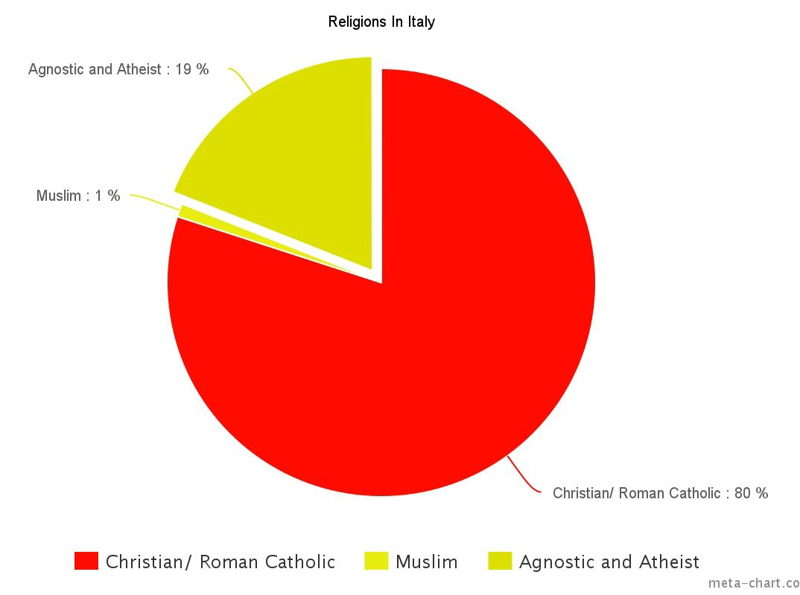
The short answer is clear: Roman Catholicism is the major religion in Italy. Roughly 78% of Italians identify as Catholic, according to recent estimates. But here’s the twist—this isn’t just a statistic. It’s a living, breathing thread woven into the nation’s DNA. For example, every town has a patron saint, and local festivals (called “sagre”) often revolve around that saint’s feast day. Think of it like a nationwide birthday party, but with fireworks, parades, and mountains of cannoli. The Vatican, the epicenter of global Catholicism, sits smack in the middle of Rome. So when you ask about Italy’s major religion, you’re really asking: What shapes its identity? Catholicism does—from the seven sacraments to the Sunday ritual of la messa (mass). Even non-practicing Italians often call themselves “cultural Catholics,” because the tradition influences everything from family values to the national calendar (yes, most businesses close on Sundays).
Now, here’s where it gets creative: Catholicism in Italy is a sensory overload—and I mean that in the best way. Let me paint a picture. Imagine visiting Florence’s Duomo: the massive dome designed by Brunelleschi, the golden doors of the Baptistery, and the smell of incense wafting through the crowd. That’s religion as art. Then, head to Naples for the Feast of San Gennaro, where locals pray for the saint’s blood to liquefy—a miracle that’s both spine-tingling and oddly joyful. Or consider Palermo’s Festa di Santa Rosalia, where a giant statue is paraded through the streets while people toss flowers and sing. These aren’t just ceremonies; they are community glue. For tourists, this means you can plan your trip around these festivals and see Italy at its most vibrant. Pro tip: Don’t be shy—join the procession, grab a local snack (like arancini in Sicily), and let the rhythm of the celebration guide you.
Must Read
But wait—there’s more than one note to this melody. While Catholicism dominates, Italy is not a monolith. In recent decades, immigration has diversified the religious landscape. You’ll now find vibrant Muslim communities (about 3% of the population), especially in cities like Milan and Rome, with beautiful mosques and halal food markets. Buddhist centers and Hindu temples also dot the north, reflecting Italy’s growing multiculturalism. And let’s not forget the Jewish community, which has a 2,000-year history here—the Roman Ghetto in Rome is a poignant reminder of resilience. Even within Christianity, Protestant groups (like Waldensians) have ancient roots in the Italian Alps. So if you’re a traveler with an open mind, you can explore this mosaic: visit a mosque in the Porta Venezia district of Milan, attend a Jewish Shabbat dinner in Rome’s Trastevere, or meditate at a Buddhist retreat in the Dolomites. It’s a world within a world.
Here’s practical advice for anyone who wants to experience Italy’s religion without feeling like a tourist: go to a local church —but not just the famous ones. Step into a tiny, centuries-old parish in a hilltop village like Assisi or Barga. Sit quietly in a pew. Notice the frescoes, the flickering candles, and the elderly woman crossing herself as she whispers a prayer. That’s authenticity. Second, learn a few Italian phrases tied to faith: “Buona Domenica” (Happy Sunday), “Grazie a Dio” (Thanks to God), or “Che il Signore ti benedica” (May the Lord bless you). Locals will light up when you use these. Third, respect the dress code in churches: cover shoulders and knees, remove hats, and keep your voice low. It’s not just polite—it shows you understand the sacred space. And finally, try fasting with purpose during Lent (around February–April). Many Italians give up sweets or alcohol; why not join a local tradition? You might find it oddly freeing. Remember: you don’t have to be Catholic to appreciate the beauty of the ritual—you just need curiosity and a little bit of humility.
 What is the Italian Religion? - FlyingMachineArena
Let’s talk about food, because in Italy, religion and cuisine are inseparable. During Carnevale (the pre-Lenten party), you’ll eat frittelle (fried dough balls) and chiacchiere (crispy pastries). On St. Joseph’s Day (March 19), zeppole (cream-filled pastries) are legendary. And Christmas? It’s a marathon of panettone, pandoro, and the “Feast of the Seven Fishes” on Christmas Eve. Even the simplest meal—like a Friday night fish fry—has religious roots, since Catholics historically avoided meat on Fridays. So if you’re foodie, follow the liturgical calendar. Visit a pastry shop in Sicily for “cannoli di Santa Rosalia” or Rome’s Jewish Quarter for carciofi alla giudia (Jewish-style artichokes). The point is: every bite tells a story of devotion, adaptation, and joy. Don’t just eat—ask the baker or nonna behind the counter why that specific dessert exists on this holy day. They’ll probably feed you an extra piece, and you’ll taste history.
So, what’s the takeaway? Italy’s major religion is Catholicism, but it’s far from a dry textbook fact. It’s a living museum, a family reunion, a plate of pasta, and a liturgy of life. Whether you’re climbing the dome of St. Peter’s Basilica, buying a saint medal at a street market in Naples, or simply watching a couple get married in a village church, you’re part of a story that’s millennia old. The advantages of understanding this? You’ll connect deeper with locals, decode the art in every museum, and feel the pulse of a culture that’s too often stereotyped. My tip: start small. This week, watch a YouTube video of the “Miracle of San Gennaro” or read about the Assumption of Mary (August 15, a national holiday in Italy). Then, when you finally visit, you won’t just see churches—you’ll see the soul of Italy. And that’s the best souvenir you can take home.
