What Is The Major Difference Between Plant And Animal Cells

So, you’ve been staring down a microscope, bleary-eyed, wondering if that squiggly blob is a cell or just last night’s pizza crust. I get it. Cells are the tiny building block...
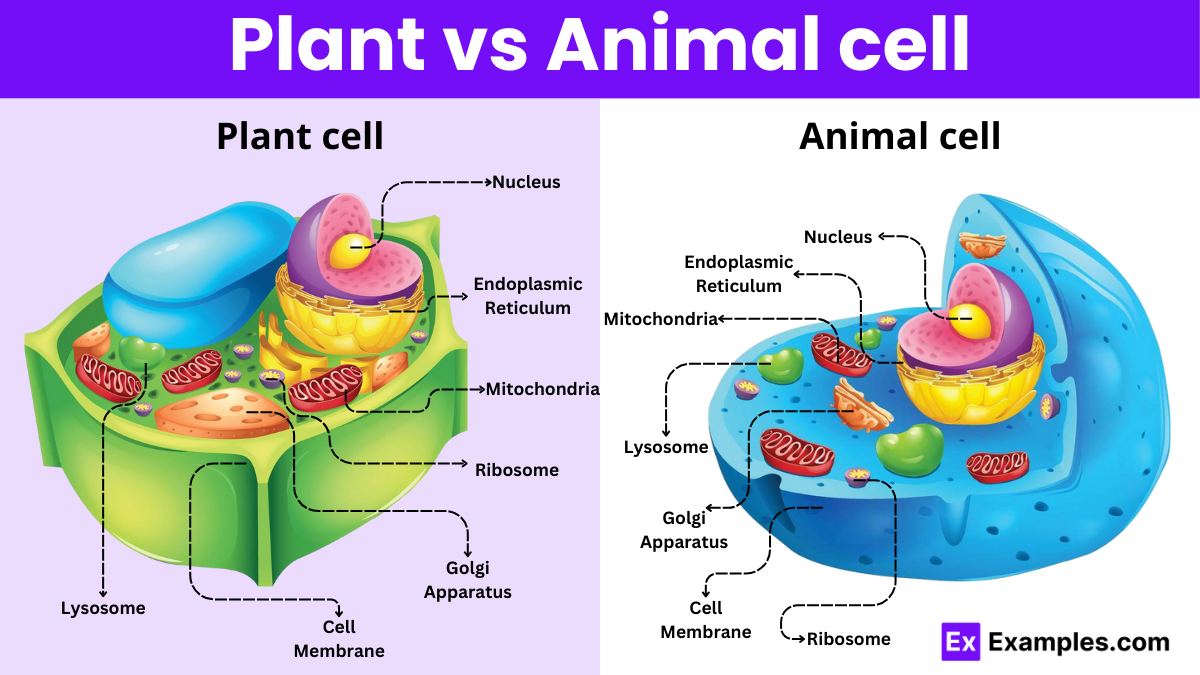
So, you’ve been staring down a microscope, bleary-eyed, wondering if that squiggly blob is a cell or just last night’s pizza crust. I get it. Cells are the tiny building blocks of life, but plant and animal cells? They’re like fraternal twins who really love to argue. Let’s break down the major difference, and I promise no lab coats required.
The Biggie: The Wall to End All Walls
The most jaw-dropping difference is that plant cells have a cell wall, while animal cells are gloriously naked—well, “naked” meaning they only have a flimsy cell membrane. Imagine a plant cell as a medieval fortress, surrounded by a rigid, stone wall made of cellulose. Animal cells? They’re more like squishy water balloons, flexible and prone to popping if you poke them too hard.
That cell wall isn’t just for show. It keeps the plant cell rigid and upright, which is why a celery stalk stands tall while a slug (an animal) just oozes. Without it, a plant would collapse into a sad, green puddle. And yes, that means every crunchy apple or crispy lettuce leaf is secretly screaming with structural integrity.
Must Read
Chloroplasts: The Solar-Powered Food Factories
Here’s where plants show off: they have chloroplasts, which are like tiny green solar panels. Animals, being lazy freeloaders, don’t have these. A plant cell can whip up its own lunch from sunlight, water, and air—a trick called photosynthesis. Meanwhile, animal cells have to mooch off plants (or other animals) like a hungry cousin crashing your BBQ.
Think of it this way: a plant cell is a vegan chef with a greenhouse, while an animal cell is a couch potato ordering takeout. Fun fact: chloroplasts have their own DNA, meaning they were once independent bacteria that moved in and never left. So plants are really just living hostels for ancient microbes. You’re welcome for that mental image.
The Vacuole: Tiny Pouch vs. Giant Balloon
Both cell types have vacuoles—little storage sacs for water and gunk. But here’s the joke: animal cells have many tiny vacuoles, like a messy closet with dozens of random boxes. Plant cells? They have one giant central vacuole that takes up most of the space, like that one friend who hogs the entire couch at a party.
That giant vacuole in plant cells isn’t just for storage; it’s also a water tower. When full, it pushes against the cell wall and keeps the plant perky. When empty, the plant wilts like your motivation on a Monday. Animal cells just use their tiny vacuoles for trash and snacks, which is far less dramatic.
:max_bytes(150000):strip_icc()/animal-cells-vs-plant-cells-373375_final-5b462d7fc9e77c00375014f1.png) Difference Between Animal Cells And Plant Cells
Difference Between Animal Cells And Plant Cells
Lysosomes: The Cleanup Crew (or Lack Thereof)
Animal cells are messy eaters, so they come with lysosomes—explosive little bags of enzymes that dissolve worn-out parts. Think of them as tiny Pac-Men eating cellular garbage. Plant cells, however, rarely have lysosomes. Why? Because their vacuoles do the dirty work, acting as a combined trash can and recycling center.
This makes plant cells the “I’ll deal with it later” type, while animal cells are compulsive tidiers. Surprising fact: if an animal cell’s lysosomes burst, the cell dissolves itself. That’s called autolysis, and it’s basically cellular suicide. Plants are too Zen for that drama.
Shape: Squares vs. Blobs
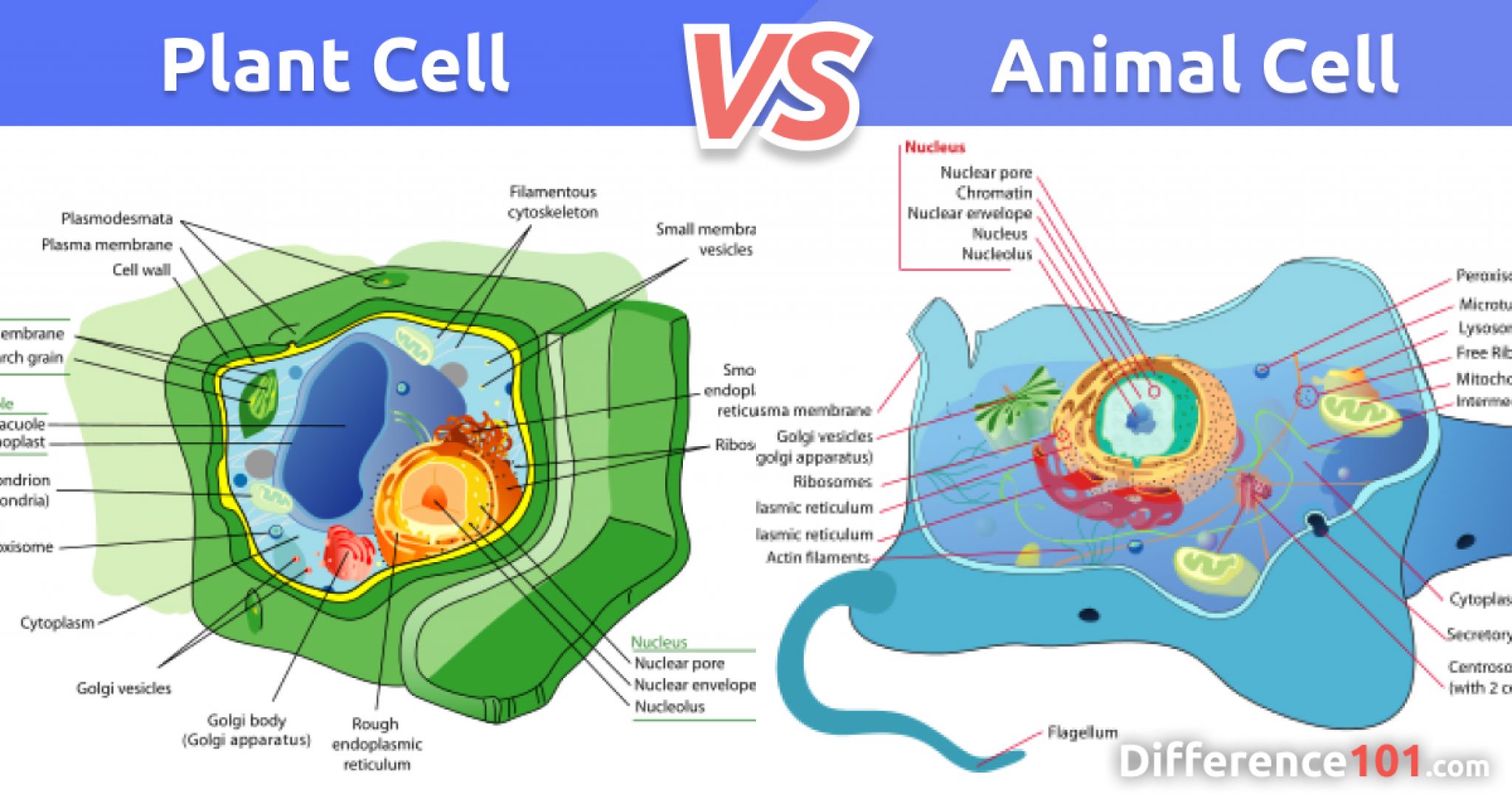
Under a microscope, plant cells look like neat little bricks or rectangles, thanks to that stiff cell wall. Animal cells are blobby and irregular, like wobbly Jell-O that refuses to stay in a mold. It’s the difference between a Lego block and a water balloon that’s been in the sun too long.
This is why you can stack plant cells into tall trees, but animal cells just squish together to form organs. And yes, your skin cells are basically a messy pile of sacks—elegant, but messy. Pro tip: next time you see a square cactus, silently thank its cell walls for the geometric perfection.
 1.2 Difference Between Plant And Animal Cells – VJIPHE
Centrioles: The Organizers You Never Knew You Had
Here’s a curveball: animal cells have centrioles, which help them divide neatly. Plant cells do not; they use other methods to split. Centrioles look like tiny barrels and are involved in creating the “spindle” that pulls chromosomes apart. Without them, animal cells would just shrug and stop reproducing.
Plants, being overachievers, simply build a new cell plate without centrioles. It’s like one team using power tools and the other using pure willpower. Also, centrioles are one of the few things that make animal cells slightly more complex—so take that, broccoli!
Why It Matters (And Why You Should Care)
So why does this difference even matter? Because it explains why you can’t photosynthesize in your backyard (sorry, tanning doesn’t count), and why wood is so strong. Understanding these differences is the key to genetic engineering, medicine, and even why celery is crunchy and steak is not.
And here’s the kicker: both cell types rely on the same basic machinery—mitochondria, DNA, ribosomes—like two cousins who share the same weird uncle. But one lives in a muddy pond (animal) and the other in a glass house (plant). So next time you eat a salad, remember: those plant cells are sacrificing their fortress walls for your chewing pleasure. Be grateful. And pass the ranch.
