What Is The Life Expectancy Of Someone With Pompe Disease

Welcome to a topic that might sound a bit heavy at first—Pompe disease—but trust us, understanding life expectancy here is like learning the secret rules of a complex video ga...

Welcome to a topic that might sound a bit heavy at first—Pompe disease—but trust us, understanding life expectancy here is like learning the secret rules of a complex video game. Once you know the levels, power-ups, and strategies, the journey becomes less scary and more about how to play smart. This article isn't a doom-and-gloom report; it’s a helpful map. It will show you the critical factors that influence how long someone with Pompe disease can live—and more importantly, how treatments and lifestyle choices can turn a short timeline into a long, vibrant story. The advantage? Knowledge is your strongest armor. By the end, you’ll feel equipped to have better conversations with doctors, spot early warning signs, and celebrate the incredible progress being made every year.
So, what’s the short answer? The life expectancy of someone with Pompe disease depends entirely on when the disease starts and how aggressively it’s treated. Think of it like two different characters in a game. The first is infantile-onset Pompe, which hits babies within their first year. Without treatment, this form is like a rapid-fire boss—most infants sadly don’t live past their first birthday. But here’s the twist: with modern enzyme replacement therapy (ERT), many of these children now survive into childhood, adolescence, and even adulthood. For the second character—late-onset Pompe—the story is much longer. Symptoms often start in childhood, teenage years, or adulthood, and without treatment, people might live into their 30s, 40s, or 50s. But with ERT and careful management, many patients are now living well into their 60s, 70s, and beyond. The key? Early diagnosis and consistent treatment are like finding the game’s secret health pack.
Let’s get creative for a moment. Imagine your body is a beautifully designed factory. In Pompe disease, a key recycling machine—the enzyme GAA—is broken. Junk (glycogen) piles up in the muscles, especially the heart and breathing muscles, slowing everything down. Life expectancy is like the factory’s runtime. Before 2006, there was no repair kit, so the factory often shut down early. Then came enzyme replacement therapy, the ultimate power-up. It’s like sending in a team of tiny mechanics to clear the junk. For infantile patients, ERT can turn a 1-year lifespan into a 10- or 20-year story. For late-onset patients, it can add decades. Some adults with Pompe are now grandparents—a fact that would have been unthinkable 20 years ago. This isn’t just a number; it’s a second chance at birthdays, graduations, and family vacations.
Must Read
But life expectancy isn’t just about the drug—it’s about teamwork. Think of it as a four-player co-op game. Player 1 is your neurologist who monitors muscle strength. Player 2 is your respiratory therapist who helps with breathing—because respiratory failure is the most common cause of death in Pompe. Player 3 is your physical therapist who keeps you moving and independent. Player 4 is YOU, the main character. Your job? Stay on schedule with ERT infusions (usually every two weeks), watch for signs of weakness, and keep a cheerful, flexible mindset. One patient I know, a late-onset warrior in her 50s, uses a mobility scooter but still travels to national parks. She says, “I don’t count the years; I make the years count.” That attitude, combined with regular monitoring, can dramatically extend life expectancy.
Here’s a practical tip: don’t overlook breathing exercises. Many people focus on muscle strength, but the diaphragm is a muscle too. Simple practices like using an incentive spirometer (a little plastic device that measures how deep you breathe) or singing silly songs can strengthen your lungs. Another tip: create a “Pompe notebook” or digital folder. Track your infusion dates, your lung function tests (like FVC), and any new symptoms. This helps your doctor adjust treatments before problems become serious. For example, if your breathing declines slightly, a non-invasive ventilator at night can protect your lungs and add years to your life. A friend who uses a BiPAP machine says it felt strange at first, but now he calls it his “nighttime power charger.”
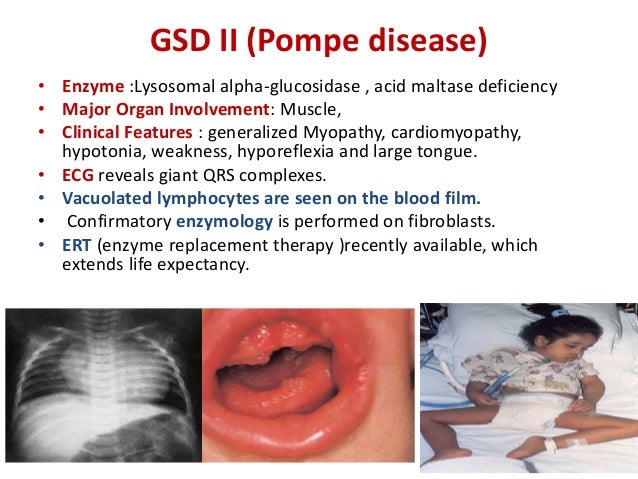 Pompe Disease Life Expectancy With Treatment
What about the future? It’s dazzling. Scientists are working on gene therapy—imagine a single injection that fixes the broken GAA enzyme permanently. Clinical trials are already underway, and early results are promising. Also, new medications like chaperone therapy (which helps the body’s remaining enzyme work better) are extending life expectancy even for those who can’t take ERT. The takeaway? The life expectancy of someone with Pompe disease is no longer a fixed number. It’s a sliding scale that moves upward as science advances. If you or a loved one has Pompe, your best strategy is to stay informed, connect with patient communities (like the Pompe Alliance), and never skip your infusions. You are not a statistic—you are a pioneer in an era where hope has become a lifeline.
Finally, here’s a secret most articles won’t tell you: laughter and connection might be the most underrated treatments. Stress worsens muscle fatigue, and isolation can lower your immune system. Join online Pompe groups, attend annual patient conferences, or simply video-call a friend who understands. One parent of an infantile Pompe child told me, “We stopped looking at the life expectancy charts. Instead, we focus on the next holiday, the next smile, the next small victory.” That perspective isn’t naïve—it’s powerful. By embracing proactive care, solid medical support, and a community that lifts you, life expectancy becomes less about a number and more about the quality of every moment. So go ahead, laugh, breathe, and live—because with Pompe disease, the future is brighter than ever before.

