What Is The Highest Alcohol Content

Let’s be honest, there’s something inherently fascinating about extremes. We love the tallest mountain, the spiciest pepper, and yes, the drink that packs the strongest punch....
Let’s be honest, there’s something inherently fascinating about extremes. We love the tallest mountain, the spiciest pepper, and yes, the drink that packs the strongest punch. Exploring the world of high-alcohol-content beverages is a practical conversation starter at parties, a fun rabbit hole for curious drinkers, and a surprisingly useful guide for anyone who’s ever been caught off-guard by a sneaky sip. The main purpose of understanding alcohol by volume (ABV) isn’t just bragging rights—it’s about safety, flavor awareness, and respecting the fact that not all drinks are made for casual chugging. For the casual fan, it means avoiding a surprise hangover; for the connoisseur, it opens a door to potent, complex spirits that are as much an experience as they are a drink.
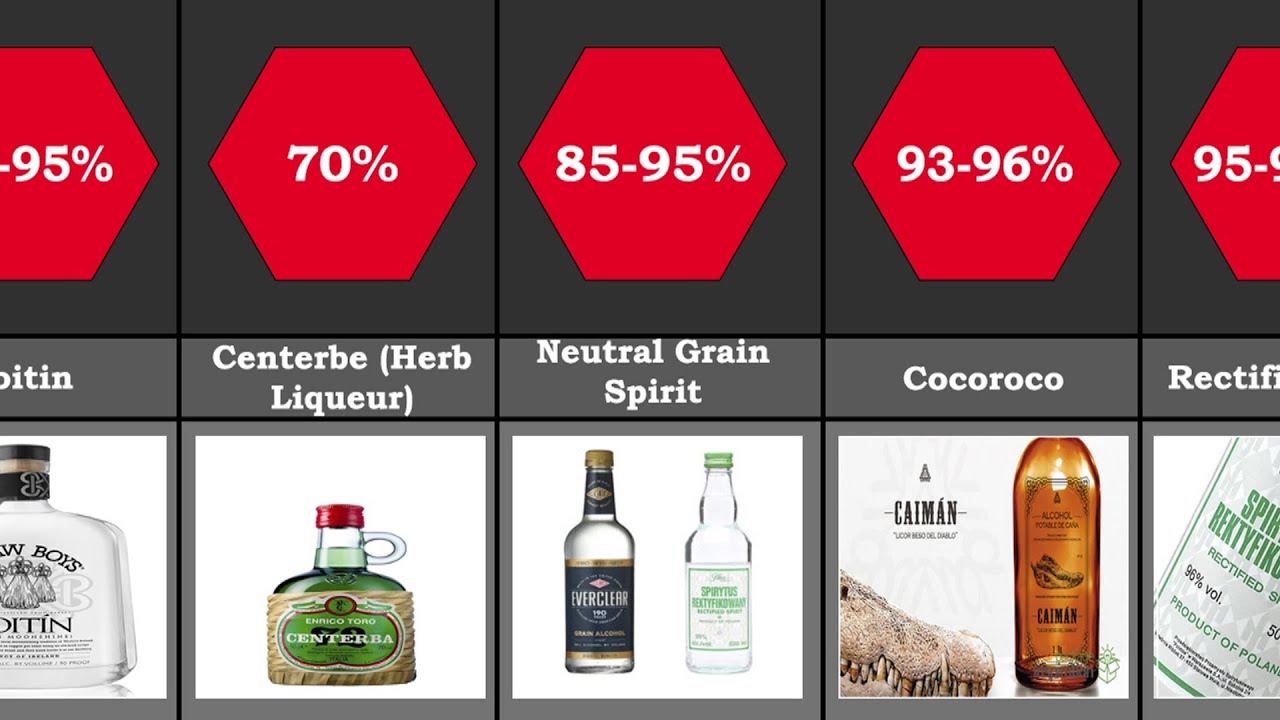
So, what is the highest alcohol content? Most beers hover around 4-6% ABV, and standard wines land at 12-15%. But once you step into the realm of spirits and specialty brews, the numbers climb fast. The current heavyweight champions are neutral grain spirits and certain craft spirits that push near the theoretical limit of distillation—around 95-96% ABV. Products like Spirytus Rektyfikowany (a Polish rectified spirit) or Everclear (available in 190 proof, or 95% ABV) in the United States are the most commonly encountered “highest” options. Meanwhile, some novelty beers fermented with special yeast strains, like the BrewDog “Strength in Numbers” or Schorschbräu’s “Schorschbock,” have hit the 57-60% ABV mark—a feat that blurs the line between beer and liquor.
For most people, encountering a beverage over 40% ABV (80 proof) is a whole different game. You don’t sip a 95% ABV spirit the way you sip a whiskey. It’s almost always intended for mixing or diluting. A single drop on your tongue can feel like a chemical burn—and it’s usually illegal to sell as a straight drinking spirit in many places. The benefit here is control. Home bartenders love high-proof spirits because they can create potent infusions (like a limoncello that actually preserves for months) or make large batches of cocktails without watering them down. For example, a high-proof vodka is the backbone of a classic, ice-cold martini that doesn’t lose its kick as the ice melts.
Must Read
But here’s the key: highest doesn’t mean best. In fact, many of the world’s most celebrated spirits—like single malt scotch or fine cognac—are bottled at a relatively modest 40-46% ABV. The pursuit of extreme alcohol content often sacrifices flavor for raw power. A 95% ABV rectified spirit has virtually no taste—just a sharp, numbing ethanol sensation. In contrast, a cask-strength bourbon at 60% ABV retains rich vanilla, oak, and caramel notes. Understanding this variation helps you choose: do you want a tool for mixing, a challenge for your palate, or a luxurious sipping experience?
 White Wine With The Highest Alcohol Content at Caroline Trevino blog
Getting started with high-proof drinks is simple if you follow a few actionable tips. First, always dilute your spirit when tasting it for the first time. A splash of water or a single ice cube opens up the aroma and prevents overwhelming your senses. Second, use a specific glass—a small Glencairn or a shot glass—to control your portion. Never, ever free-pour anything over 100 proof. Third, read the label carefully: in the U.S., anything over 151 proof (75.5% ABV) is often labeled as “Not for human consumption” due to liability, but it’s perfectly safe for mixing in small amounts. Finally, pair it with purpose: use high-proof vodka for herb-based cocktails, high-proof rum for tropical drinks, and rectified spirits for making your own vanilla extract or fruit liqueurs at home.
Ultimately, the highest alcohol content is a fun piece of trivia, but it’s also a reminder to drink with intention. Whether you’re curious about a 95% ABV Polish vodka or a 57% beer from a Scottish brewery, treat these beverages with respect. Less is more—a tiny pour can deliver a bold experience without the regret. So next time you see that bottle of Spirytus or a “beer” that’s stronger than whiskey, you’ll know exactly what you’re getting: a potent, rare, and sometimes surprising chapter in the wide world of drinking.
