What Is The Final Cooking Temp Of Pork

So, there I was, in the kitchen, armed with a pork chop and a thermometer, feeling like a mad scientist. I'd heard that cooking pork to a certain temperature was the key to av...
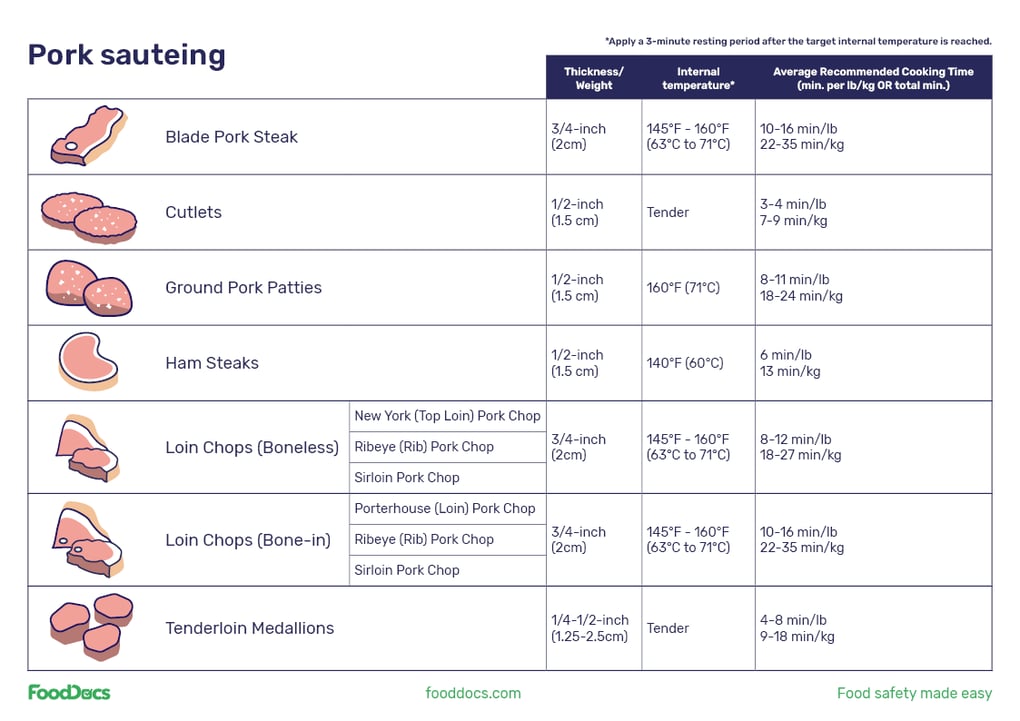
So, there I was, in the kitchen, armed with a pork chop and a thermometer, feeling like a mad scientist. I'd heard that cooking pork to a certain temperature was the key to avoiding trichinosis, but I wanted to make sure I wasn't overcooking it either. I mean, who wants a pork chop that's drier than the Sahara?
You might be in a similar situation, right? Standing in your kitchen, pork in hand, wondering, "What's the final cooking temp of pork?" Well, let's dive into this together, shall we?
Why Temperature Matters
Cooking pork to the right temperature is crucial for two reasons: food safety and tenderness.
Must Read
First, let's talk food safety. Pork can harbor a parasite called Trichinella spiralis, which can cause trichinosis if consumed. Cooking pork to a safe temperature kills this parasite. But don't worry, it's pretty rare these days, especially in commercially raised pigs.
Second, temperature affects tenderness. Pork is lean, which means it can dry out if overcooked. So, we want to cook it just enough to kill any potential bacteria and make it tender, but not so much that it becomes tough and dry.
So, What's the Magic Number?
According to the USDA, the final internal temperature for pork should be 145°F (63°C) when measured with a meat thermometer. This is for whole cuts like chops, roasts, and tenderloins. For ground pork, the final temperature should be 160°F (71°C).
But wait, you might say, "I've always cooked my pork to 160°F (71°C)!" Well, you're not alone. This was the recommended temperature for a long time, but the USDA lowered it in 2011. The reason? They found that cooking pork to 145°F (63°C) with a 3-minute rest time is just as safe and results in a more tender, juicy product.
 Pork Cooking Temperature - National Pork Board
Resting Time
Speaking of resting time, it's not just for steaks anymore. After you've cooked your pork to the desired temperature, let it rest for about 3 minutes. This allows the juices to redistribute throughout the meat, making it even more tender and flavorful.
But What About Bacon and Ham?
Bacon and ham are a bit different. They're cured, which means they've been treated with salt and sometimes nitrates or nitrites. This process makes them safe to eat even when cooked to lower temperatures. But remember, we're talking about whole cuts here. Ground pork still needs to reach 160°F (71°C).
Now, you might be thinking, "This is all well and good, but how do I actually know when my pork has reached the right temperature?" Great question!
Using a Meat Thermometer
Investing in a meat thermometer is like investing in your taste buds. It's the only way to know for sure if your pork has reached the right temperature. You can use a digital or analog thermometer, just make sure it's inserted into the thickest part of the meat, not touching bone.
And there you have it! The final cooking temp of pork, explained. So, go forth, cook your pork to perfection, and enjoy every juicy, tender bite. Your taste buds will thank you!
