What Is The Difference Between Tomato Puree And Crushed Tomatoes

There are few things more satisfying in the kitchen than the rich, velvety swirl of a homemade tomato sauce simmering on the stove. Whether you are crafting a hearty pasta din...
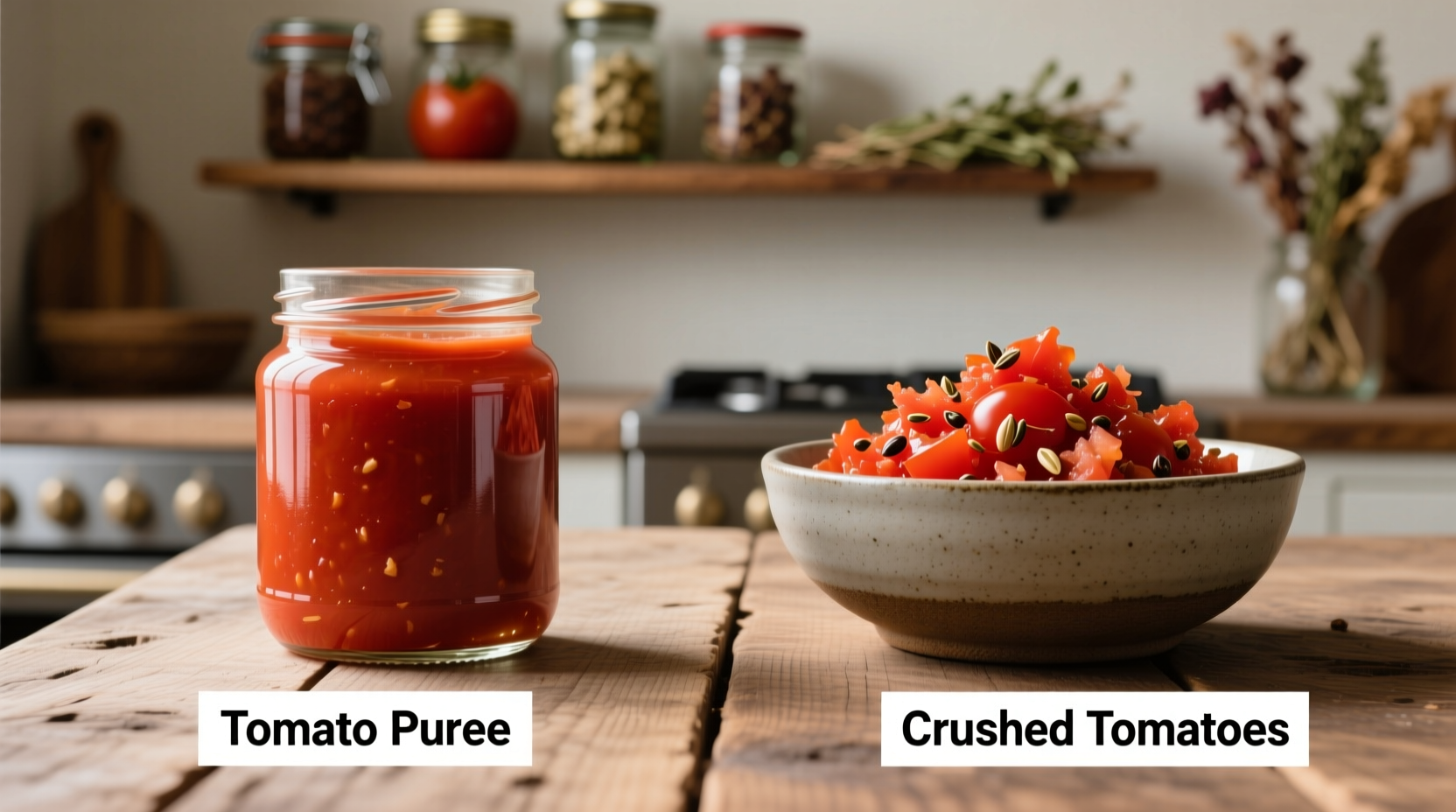
There are few things more satisfying in the kitchen than the rich, velvety swirl of a homemade tomato sauce simmering on the stove. Whether you are crafting a hearty pasta dinner, a fragrant shakshuka, or a base for chili, the tomato is the quiet hero of countless meals. Yet, standing in the grocery aisle, you might find yourself staring at two seemingly similar cans: tomato puree and crushed tomatoes. Understanding the difference between them is not just a matter of trivia—it is a practical skill that can elevate your cooking, save you from watery sauces, and help you build deeper flavor with ease.
At their core, both products start with ripe tomatoes that have been cooked and processed, but the key difference lies in texture and concentration. Crushed tomatoes are exactly what they sound like: whole, peeled tomatoes that have been crushed into a chunky, rustic mixture. They retain seeds, small bits of skin, and a thick, juicy consistency. In contrast, tomato puree is a smooth, uniformly blended liquid that has been cooked down and strained to remove all seeds and solids. The puree is thicker and more concentrated, often with a deeper, sweeter flavor because it has been simmered longer to reduce water content.
This difference becomes strikingly clear when you consider the purpose each serves in a recipe. Imagine you are making a quick weeknight marinara for spaghetti. If you use crushed tomatoes, you will get a chunky, hearty sauce with bits of tomato that hold their shape—perfect if you want a rustic texture and a fresh, bright tomato taste. But if you substitute tomato puree, your sauce will become smooth, almost velvety, and more intense in flavor. The puree acts as a base that can easily absorb spices, garlic, and herbs, making it ideal for dishes where you want a uniform consistency, like a lasagna layer or a thick pizza sauce that won’t make the crust soggy.
Must Read
Beyond texture, the concentration of tomato puree brings a significant benefit for everyday cooking: it allows you to build layers of flavor without extra liquid. For example, when making a Bolognese or a slow-cooked stew, using tomato puree gives you a dense, savory backbone that doesn’t water down the meat or vegetables. Crushed tomatoes, on the other hand, contribute a lighter, more acidic punch and release more juice as they cook. This makes crushed tomatoes a better choice for dishes that need more moisture, such as a one-pot chicken cacciatore or a spicy tomato soup where you want the tomatoes to break down naturally.
A common misstep home cooks make is swapping the two without adjusting the recipe. If a dish calls for crushed tomatoes and you use puree, you risk ending up with a sauce that is too thick and intensely sweet, and you may need to add water or broth to balance it. Conversely, using crushed tomatoes when puree is needed can result in a watery, uneven sauce that lacks depth. A simple rule: puree is for smooth, concentrated foundations; crushed tomatoes are for chunky, juicy stews. To explore this on your own, try this quick experiment: make a simple tomato sauce with one can of crushed tomatoes, and the next week, make the same sauce with tomato puree. Notice how the flavors and textures differ—this hands-on test will make the distinction unforgettable.
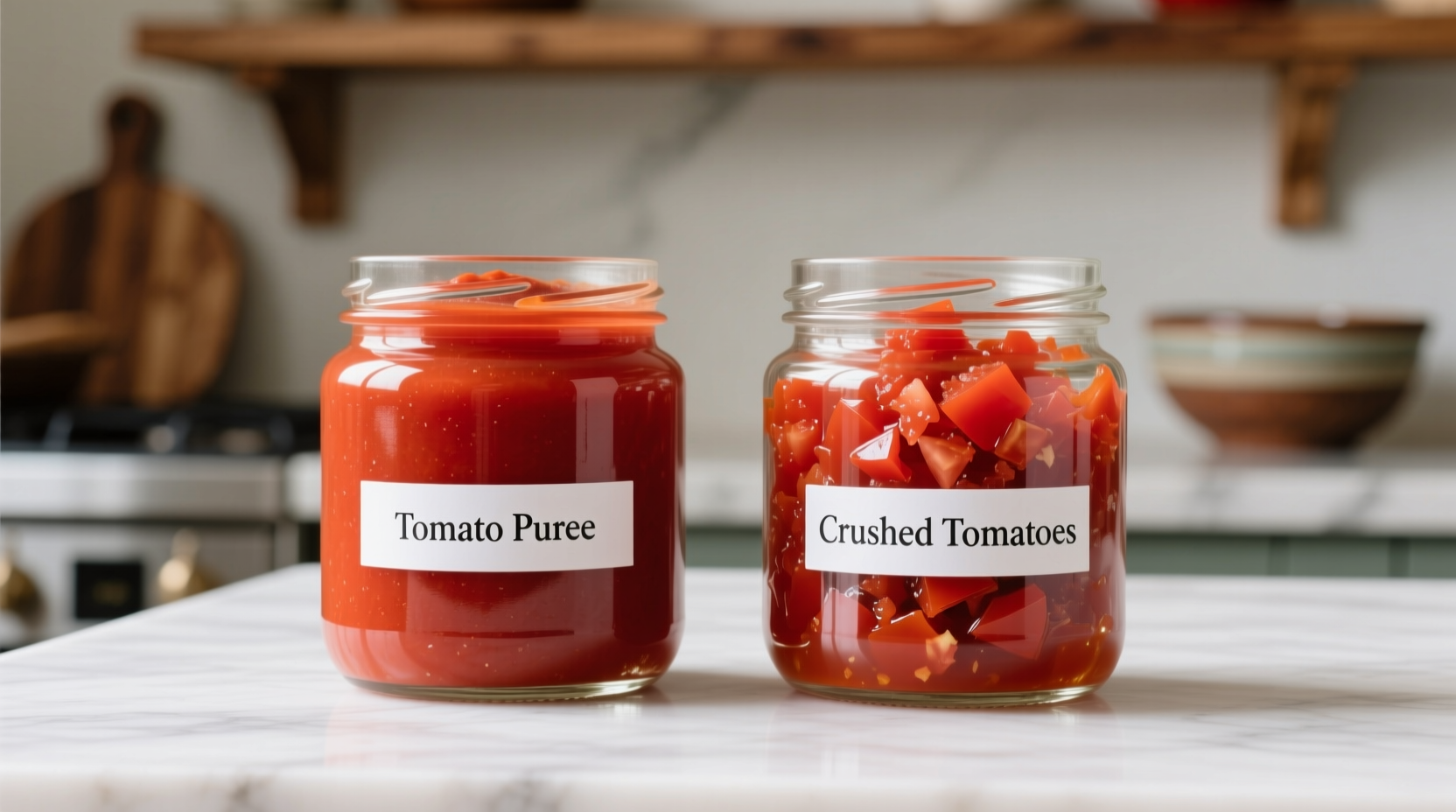 Tomato Puree vs Crushed Tomatoes: Key Differences Explained
For those eager to dive deeper, here are a few practical tips to master these pantry staples. First, always taste before you season: tomato puree is often sweeter and more concentrated, so you may need less salt and sugar. Second, use crushed tomatoes when you want a chunky, almost salsa-like consistency—they work wonderfully in stews, curries, or as a base for a chunky puttanesca sauce. Third, if you only have one type on hand, you can approximate the other: mix two parts crushed tomatoes with one part tomato paste to create a smooth puree-like texture, or thin out puree with a splash of water or broth to mimic crushed tomatoes. Finally, store leftover puree or crushed tomatoes in a freezer-safe container labeled with the date—they keep for up to three months and can save you on lazy weeknights.
In the end, the difference between tomato puree and crushed tomatoes is not about which is better—it is about choosing the right tool for the job. Both are versatile, affordable, and essential for building flavor from scratch. By understanding their unique textures and uses, you empower yourself to cook with intention, whether you are simmering a Sunday ragù or whipping up a quick weeknight pasta. So next time you reach for a can, pause and consider the dish you are making. Your sauce—and your taste buds—will thank you for it.
