What Is The Difference Between Mild And Medium Salsa

You’re standing in the grocery aisle, staring at a wall of salsa jars like it’s the final question on a game show. Mild? Medium? Your hand hovers. You don’t want to sweat thro...
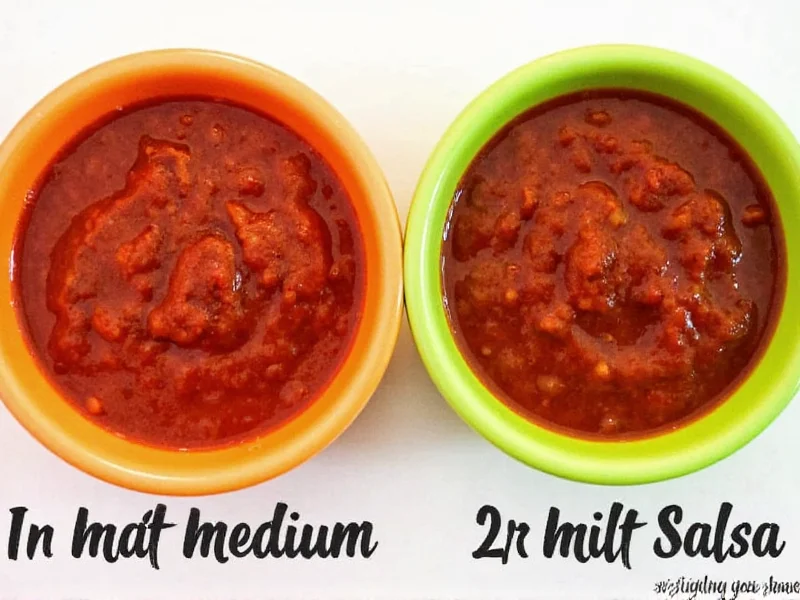
You’re standing in the grocery aisle, staring at a wall of salsa jars like it’s the final question on a game show. Mild? Medium? Your hand hovers. You don’t want to sweat through your shirt, but you also don’t want to feel like you’re eating ketchup with a side of regret. I’ve been there. We’ve all been there. So let’s settle this once and for all: what really separates mild from medium salsa? (Spoiler: it’s not just a label for the faint of heart.)
First, let’s talk heat. That’s the obvious difference, right? Mild salsa is like that friendly neighbor who waves but never invites you over for a chat. It’s there, it’s pleasant, and it won’t wake you up at 2 a.m. with a fiery heartburn. Mild typically uses jalapeños—but in tiny, demure amounts. The Scoville scale (yes, that’s the official name for measuring heat, and it sounds like a very proper British detective) puts mild in the 100 to 1,000 range. Basically, it’s a gentle tap on the shoulder. Your taste buds say, “Oh, hello, is that you, spice?” and then immediately go back to napping.
Medium salsa, on the other hand, is the friend who shows up to the party with a mischievous grin and a bottle of something mysterious. It still uses jalapeños, but it might throw in a serrano pepper or two for fun. The Scoville jump is 1,000 to 2,500—enough to remind you that you’re alive, but not so much that you start googling “how to unburn my tongue.” Medium says, “I respect you, but I also respect a good thrill.” It’s the salsa equivalent of a spicy rom-com: comfortably exciting.
Must Read
But the heat isn’t the whole story. Flavor changes, too. Mild salsa often leans sweeter, with more tomato and onion stepping into the spotlight. It’s designed to be a crowd-pleaser—the diplomat of dips. It won't argue with your chips or your burrito. Medium salsa, though? It’s an overachiever. It brings bolder garlic, a tangier vinegar kick, and sometimes a hint of cumin that says, “I’ve got personality, and I’m not sorry.” The heat isn’t just for pain; it’s there to lift the other flavors, like a good backing vocalist in a rock band.
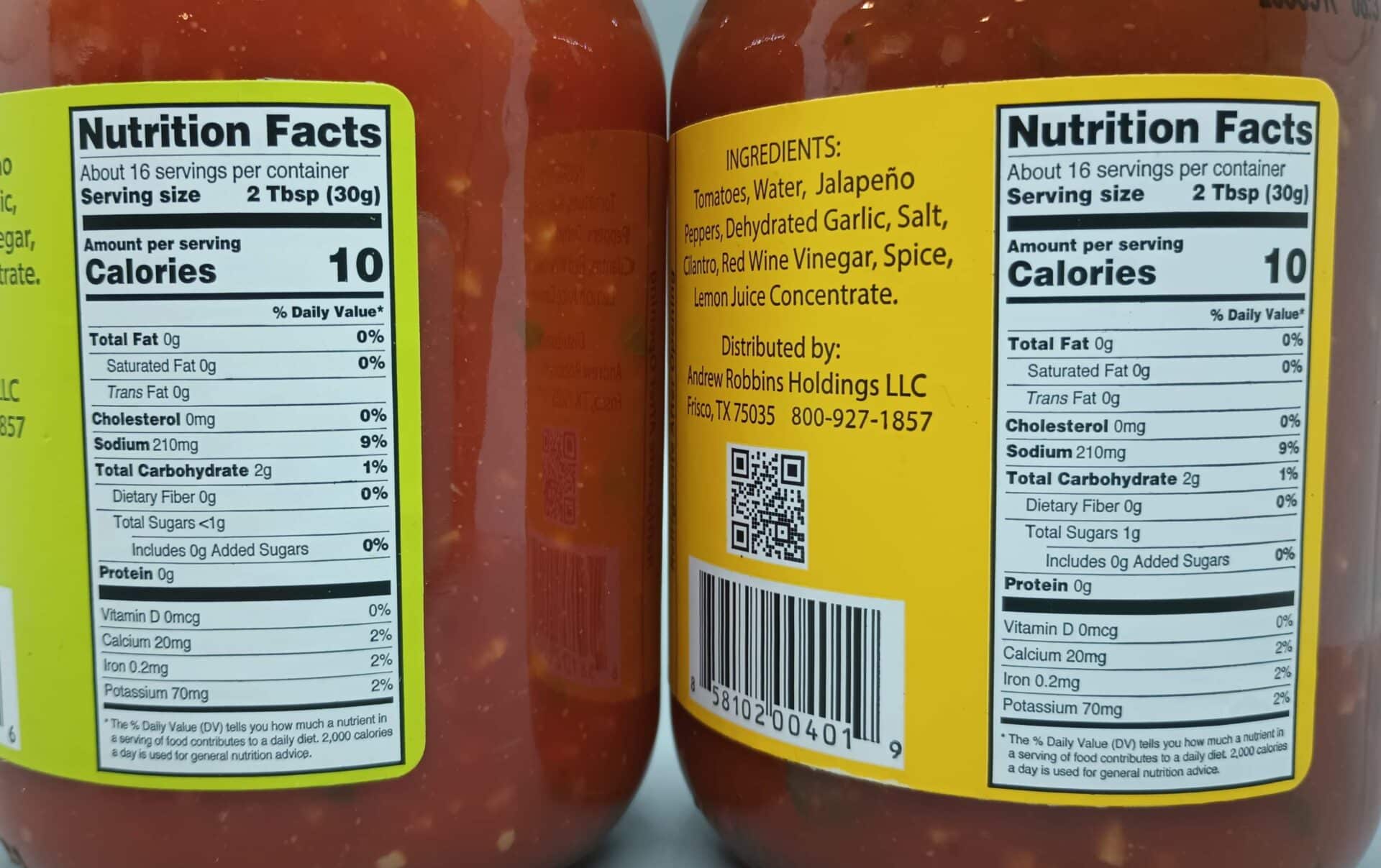
Now, let’s get real about the label game. You’ve probably noticed that “mild” and “medium” aren’t regulated by any salsa police—there’s no Badge of Spice Justice. One brand’s “medium” might singe your eyebrows off, while another’s is basically tomato soup with a shy chili. I once bought a “mild” salsa that made my dog look at me with concern. So, the golden rule? Read the ingredient list. If you see “habanero” in a mild jar, run. If you see “sugar” first in a medium, you’re probably safe for breakfast.
 Medium Salsa Is Hotter Than Mild: Heat Level Explained
So, which do you choose? Here’s my hot (or lukewarm) take: Mild is for tacos at brunch, for when you’re feeding a crowd, or for when your date says, “I don’t like spicy food” and you still want a second date. Medium is for nachos on a Friday night, for when you want to feel a little brave, or for when you’re eating alone and can make exaggerated “mmm” faces without judgment. There’s no wrong answer—just different moods.
Life is short, but your salsa shelf is long. Whether you’re a mild mermaid or a medium maverick, remember this: the best salsa is the one that makes you smile, not sweat. And if you accidentally grab the hot version? Congratulations—you’ve just unlocked a new level of adventure. Grab a glass of milk, laugh at yourself, and dip on, brave friend. After all, spice is just nature’s way of saying, “You’ve got this.”