What Is The Difference Between Light Red And Dark Red Kidney Beans

Have you ever stood in the bean aisle, totally stumped by two almost identical cans? One says “light red kidney beans,” the other says “dark red.” You’re not alone—it’s a real...
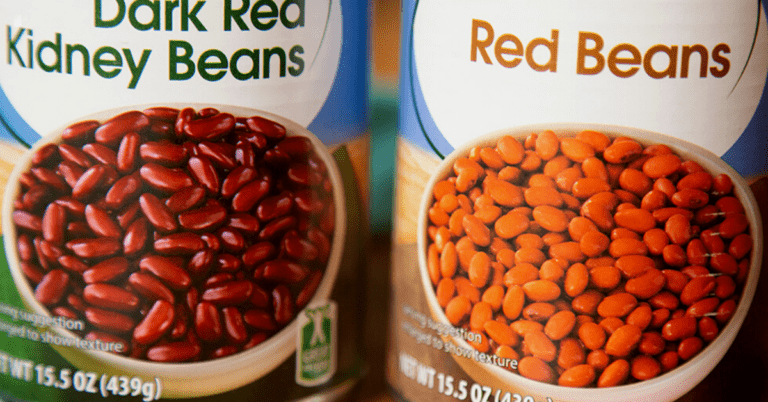
Have you ever stood in the bean aisle, totally stumped by two almost identical cans? One says “light red kidney beans,” the other says “dark red.” You’re not alone—it’s a real grocery store mystery. Let’s crack this colorful code today, shall we?
The Color Clue: It’s Not Just for Looks
The most obvious difference is, well, the color. Light red beans are a pale, pinkish-red, while dark red beans are a deep, burgundy shade that almost looks maroon. But here’s the cool part: that color tells you a story about their texture and taste.
Dark red beans are the tougher, more serious cousin at the family reunion. They hold their shape incredibly well, even after long cooking. Light red beans, on the other hand, are the easygoing, slightly softer sibling who might get a little mushy if you’re not careful.
Must Read
Texture Talk: Firm vs. Tender
Why does texture matter so much? Imagine you’re making a chili that simmers for hours. You want beans that can keep their cool without turning into paste. Dark red kidney beans are your champs here—they stay firm, almost al dente, even after a long soak.
Now picture a light red bean in that same chili. It might start to break down and thicken the broth, which some people love for a creamier finish. It’s the difference between a crunchy apple and a soft pear—both great, but for different cravings.
Chefs often say dark red beans have a denser, meatier bite. That makes them perfect for dishes where you want the bean to star, like in a robust Cajun red beans and rice. Light red beans? They’re more likely to blend into the background, soaking up flavors like a gentle sponge.
Taste Test: Is One Sweeter?
Do they actually taste different? You might not notice it in a spicy curry, but side-by-side, there’s a subtle shift. Dark red beans have a slightly earthier, more robust flavor—like a dark beer compared to a light lager.
Light red beans are often described as milder and slightly sweeter. They don’t shout; they whisper. It’s not a huge difference, but if you’re someone who likes to taste the bean itself, you might pick one over the other.
Think of it this way: dark red beans are the bold, smoky barbecue sauce. Light red beans are the gentle, tangy vinaigrette. Both are delicious, but one demands your attention.
The Real Difference: Cooking Time & Chemistry
Here’s a fun science fact: Both beans are actually the same species—Phaseolus vulgaris. That’s right, they’re botanical cousins, just different cultivars. But their skin thickness changes everything.
Dark red beans have a thicker, more pigmented skin. This means they take a little longer to cook through. If you’re in a hurry, light red beans will soften about 5-10 minutes faster. Time is money, even in bean world.
Another cool bit: The dark red color comes from anthocyanins, the same antioxidants found in blueberries and red cabbage. So dark red beans might have a slight edge in the “healthy” department, but both are absolutely packed with fiber and protein. You win either way.
 Are Red Beans the Same as Kidney Beans? - Kitchen Cognition
Cooking Rules: The Safety Dance
Wait—before you throw them in a pot, there’s a serious rule. Both light and dark red kidney beans contain a toxin called phytohaemagglutinin when raw or undercooked. This isn’t a joke; it can make you really sick.
The fix is simple: boil them properly. If you’re using dried beans, boil them for at least 10 minutes before simmering. Canned beans are already cooked, so you’re safe—just rinse them to remove extra sodium. Don’t skip this step, friend.
Think of it like baking a raw cookie dough—delicious idea, but bad for your stomach. Cook those beans fully, and you’re golden. The cooking process also breaks down the complex sugars that cause gas, so your belly will thank you.
When to Choose Which: A Handy Guide
So, you’re at the store, scratching your head. Ask yourself: What am I making tonight? If it’s a long-simmered chili, stew, or a dish that needs beans to stay whole, grab the dark red ones. They’re built for endurance.
If you’re making a quick salad, a creamy bean dip, or a soup that you’ll puree, light red beans are your friend. They blend easier and don’t fight back. It’s like choosing between a hiking boot and a ballet slipper—both for feet, but different journeys.
And if you’re making red beans and rice for Mardi Gras? Go dark red, no question. Tradition and texture demand it. But for a light summer bean salad with vinaigrette? Light red beans feel more at home.
The Bottom Line: It’s All About the Vibe
Here’s the honest truth: You can swap them in most recipes and still get a delicious meal. The world won’t end if you use dark red in a salad or light red in a stew. But if you care about the little things—texture, bite, and that pop of color on your plate—then knowing the difference is like having a secret weapon.
Next time you’re in the aisle, don’t stress. Take a moment to appreciate the bean diversity. Dark red beans are the sturdy, deep-talking philosopher. Light red beans are the friendly, adaptable artist. Both are wonderful in their own way.
So grab a can, toss them in your cart, and start cooking. Your stomach won’t judge which shade you pick—it’s just happy to be fed. Isn’t that what life, and beans, are all about?
