What Is The Difference Between Gatorade And Powerade

You’re standing in the gas station, stomach rumbling after a brutal workout, staring into the neon abyss of the beverage cooler. On one shelf: Gatorade, the OG neon yellow thr...
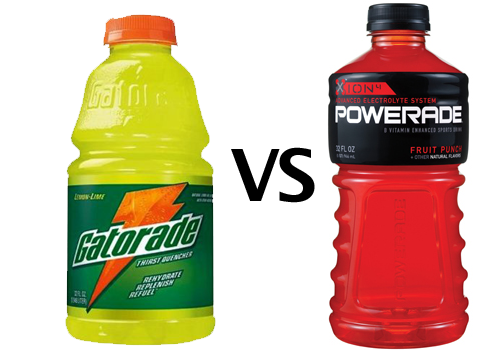
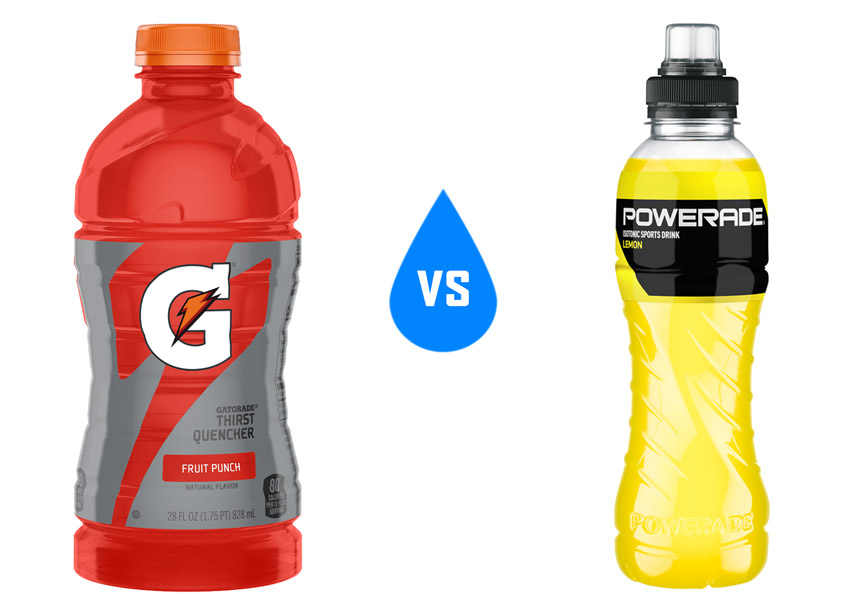
You’re standing in the gas station, stomach rumbling after a brutal workout, staring into the neon abyss of the beverage cooler. On one shelf: Gatorade, the OG neon yellow throne-sitter. On the other: Powerade, the dark horse with the swoop logo. They look the same, promise the same “replenish your electrolytes” gospel, but are they actually different? Spoiler alert: yes. But—and this is the fun part—it’s a difference that probably doesn’t matter to anyone except your taste buds and your wallet.
Let’s start with the science-y stuff. Both drinks are basically sugar-water with a pinch of salt, designed to replace what you sweat out. They both contain six main ingredients: water, sugar (in various forms), citric acid, salt, sodium citrate, and monopotassium phosphate. So far, twins. But here’s the plot twist: Gatorade packs about 14 grams of sugar per 12-ounce serving, while Powerade sneaks in a bit more at 21 grams. That’s almost the difference between a standard Oreo and a Double Stuf. Gatorade also has about 110 mg of sodium, versus Powerade’s 100 mg. So if you’re a salty sweater (bless you), Gatorade might edge you out. Powerade, however, fights back with a secret weapon: B vitamins. Specifically B3, B6, and B12. Those are the “let’s get this party started” vitamins that help your body turn sugar into actual energy. Gatorade doesn’t do that—it just hands you the sugar and says, “Good luck, champ.”
Now, let’s talk flavor—because this is where friendships end and brand loyalty is forged. Gatorade’s flavors are iconic: that sharp, almost medicine-ish tang of Lemon-Lime, the electric blue of Glacier Freeze. They taste like a sports drink. Powerade’s flavors—think Fruit Punch and Berry—are often described as sweeter, fruitier, and a little more “candy-like.” If Gatorade is a high-school track coach shouting directions, Powerade is a friendly bartender sliding you a suspiciously tropical daiquiri. Personally, I find Powerade easier to chug after a run, but my marathon-running friend swears Gatorade is the only thing that keeps her from cramping. Science be damned, loyalty wins.
Must Read
What about the price? Ah, the great equalizer. Powerade is almost always cheaper. Why? Because Gatorade is the 800-pound gorilla of sports drinks. They own the shelves, the pro-sports endorsements, the “official drink of the NFL” badge. Powerade is the scrappy younger sibling who invents a cheaper alternative so you can afford to hydrate your whole soccer team without selling a kidney. On a dollar-per-bottle basis, Powerade often wins. But here’s the kicker: both are essentially flavored salt water with sugar. Unless you’re running a marathon in the desert, your body doesn’t really need either one. A banana and a glass of water will do the same thing for 99% of us. But where’s the fun in that?
 Powerade vs Gatorade: What’s the Difference? | Sporked
So, which one should you choose? If you are a serious athlete or someone who sweats buckets—go Gatorade. That extra salt and slightly lower sugar are your friends. If you want a cheaper, fruitier, B-vitamin-boosted option for a casual jog or a hangover (we’ve all been there), grab a Powerade. Or, better yet, do what my friend does: buy the store brand that’s literally the same as Gatorade but costs half as much, and pretend you’re a savvy genius.
Here’s the uplifting truth, friend: You showed up. You moved your body. You sweated, you laughed, you maybe even cried a little on that elliptical. Whether you reach for Gatorade, Powerade, or a plain glass of tap water, you’ve already won. These drinks are just the sprinkles on the victory sundae. So grab whichever one makes you smile—even if it’s the blue one that turns your tongue into a Smurf’s. You earned it. And if someone judges you for your choice? Just smile and say, “My electrolytes, my rules.” Now go hydrate, you magnificent, sweaty legend.