What Is The Difference Between French Vanilla And Vanilla

For many, the simple pleasure of a scoop of ice cream or a warm latte is a daily ritual of comfort. Yet, when faced with the choice between vanilla and French vanilla, a quiet...
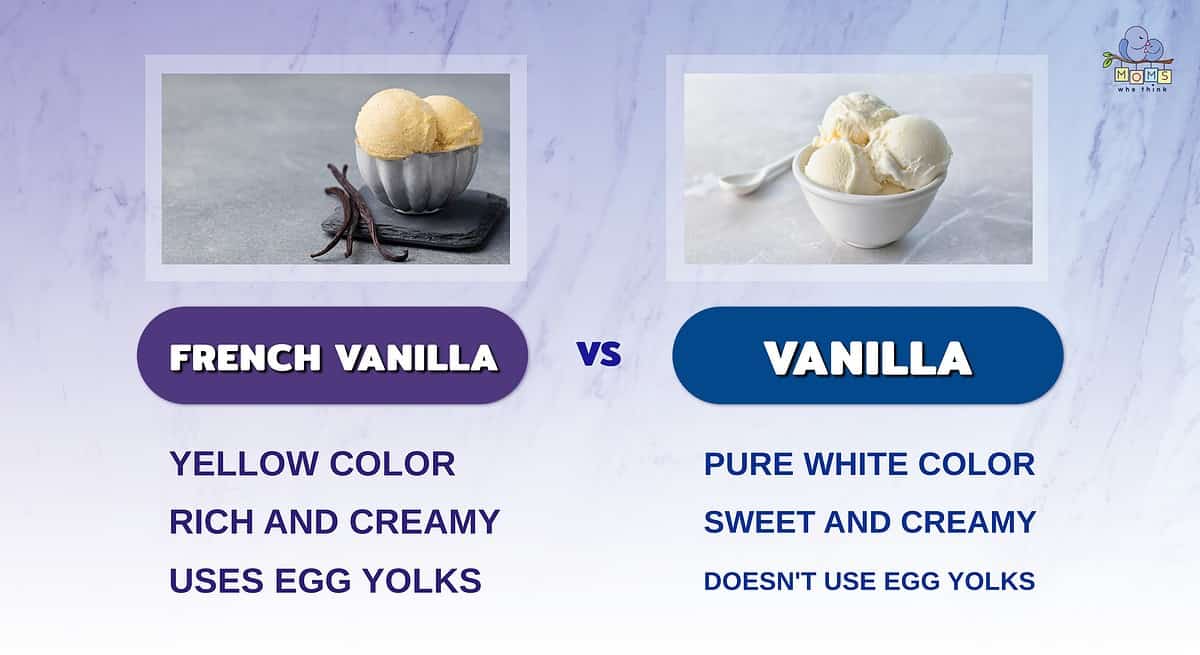
For many, the simple pleasure of a scoop of ice cream or a warm latte is a daily ritual of comfort. Yet, when faced with the choice between vanilla and French vanilla, a quiet confusion often arises. Are they the same thing with a fancy name, or is there a real, tasteable difference? Understanding this distinction elevates a simple treat into a more nuanced experience, allowing you to choose the flavor that perfectly matches your mood and your recipe. The key purpose of exploring this difference is to empower your palate and deepen your appreciation for a flavor we often take for granted, turning an everyday dessert into a moment of intentional delight.
The core distinction lies not in the bean, but in the base of the product. Standard vanilla extract is an infusion of vanilla beans in alcohol and water, delivering a clean, bright, and floral note. Its purpose is to add a pure, recognizable vanilla flavor. In contrast, French vanilla is not a type of vanilla bean at all. Instead, it refers to a specific custard-based recipe. The name originates from the French tradition of making ice cream with egg yolks, which creates a richer, creamier, and more velvety texture. So, when you buy "French vanilla" ice cream, you are tasting a blend of vanilla flavoring and the unmistakable richness of egg custard, compared to the straightforward dairy and sugar base of standard vanilla.
This difference profoundly impacts your everyday life, especially in cooking and baking. Imagine making a batch of chocolate chip cookies. Using standard vanilla extract will provide a clear, high note that cuts through the chocolate and sugar, making the overall flavor brighter. Now, picture a crème brûlée or a pound cake. Here, the goal is a deep, round, and lush flavor profile. Using a French vanilla style—either via a specific extract labeled as such or by adding an egg yolk to your batter—will create that signature, smooth richness that feels luxurious on the tongue. In your morning coffee, a standard vanilla syrup gives a simple, sweet kick, whereas a French vanilla creamer adds body and a whispering hint of custard, transforming your coffee into a dessert-like treat.
Must Read
Another scenario that highlights the difference is a simple tasting test. Take two bowls of vanilla pudding from the grocery store: one labeled "vanilla" and one labeled "French vanilla." The standard vanilla will likely have a clear, somewhat sharp sweetness and a lighter, gelatin-like texture. The French vanilla, however, will present a rounded, buttery aroma and a thicker, smoother mouthfeel, with the flavor lingering on your tongue longer. This is the custard talking. For the home cook, this means French vanilla is the superior choice for any recipe that calls for a creamier, richer dessert, such as panna cotta, pastry cream, or a classic vanilla sauce. The standard version is your go-to for applications where you want the pure essence of the bean to shine without added weight.
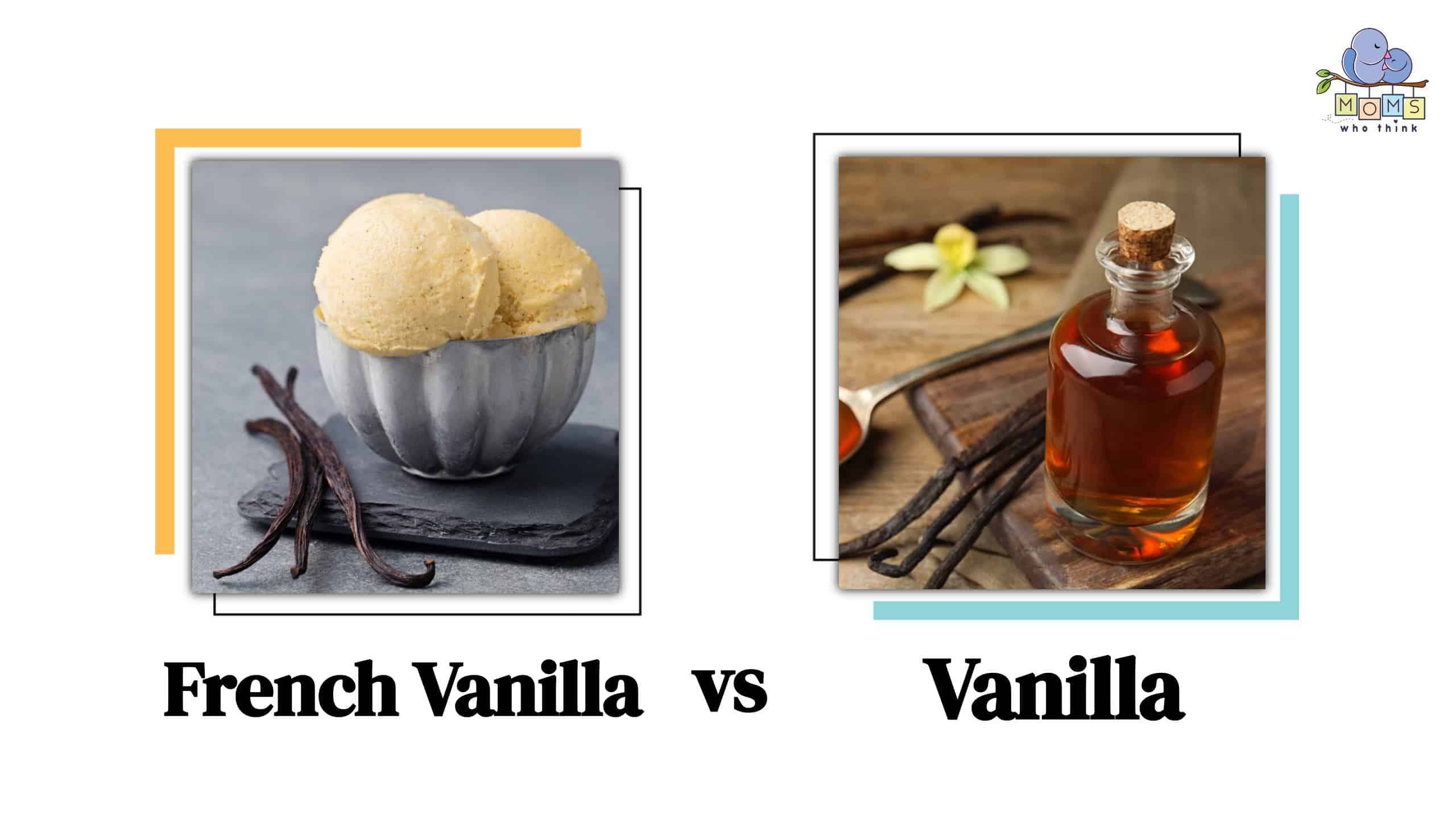 French Vanilla vs. Vanilla: Taste Differences & When To Use Each Flavor
To explore this on your own, here are a few simple tips. First, check the ingredient list on your ice cream or pudding. If "egg yolks" or "egg solids" are listed, you are holding a true French vanilla product. If not, it is likely standard vanilla with added flavors. Second, try a home experiment: buy a bottle of pure vanilla extract and a small bottle of vanilla bean paste. The paste contains the real, ground vanilla seeds and has a slightly richer, more syrupy profile than the extract. While not exactly French vanilla, it mimics that deeper, more complex character. Finally, make your own quick French vanilla coffee by adding a spoonful of heavy cream and a drop of vanilla extract to your black coffee. The cream provides a touch of the fat and richness that egg yolks would, bridging the gap between the two worlds in a single, satisfying cup.
Ultimately, while both flavors share the comforting essence of the vanilla bean, their journeys to our palate are distinct. Standard vanilla is a pure, elegant note, a soloist in the orchestra of flavors. French vanilla is a harmonious ensemble, where the vanilla plays alongside the rich, silky notes of egg and cream. Knowing this difference allows you to be a more intentional consumer and a more successful cook. It transforms a simple question of "which one?" into an opportunity to enhance your coffee, perfect your dessert, and bring a little more sophistication to your everyday treats. The next time you reach for that carton or that bottle, you will do so with the confidence of someone who truly understands the flavor they are about to enjoy.
