What Is The Difference Between Dark And Light Kidney Beans

Have you ever stood in the grocery aisle, staring at two cans of kidney beans, wondering if the dark ones and the light ones are secretly the same bean with a tan? You’re not...
:max_bytes(150000):strip_icc()/VsTemplate-BlackBeansVsKidneyBeans-a84041fe868a4de299d4b6a6ab688be6.png)
Have you ever stood in the grocery aisle, staring at two cans of kidney beans, wondering if the dark ones and the light ones are secretly the same bean with a tan? You’re not alone. It’s one of those tiny kitchen mysteries that makes cooking feel like a fun little science experiment.
Let’s get this out of the way: they are not the same bean. They’re more like cousins who grew up in different neighborhoods, sharing a last name but leading very different lives. And honestly, that’s what makes them so cool to talk about.
The Skin-Deep Difference You Can Actually See
The most obvious clue is right there in front of you: color. Dark kidney beans rock a deep, almost burgundy-red skin, while light kidney beans are a pale, creamy pinkish-white. It’s like comparing a rich red wine to a blush rosé.
Must Read
Here’s a fun thought: that dark skin isn’t just for show. It’s packed with anthocyanins, the same antioxidants that make blueberries blue and eggplants purple. Your light beans? They’re a little more laid-back in the pigment department.
Is one healthier than the other? Technically, the dark ones have a slight edge in antioxidants, but honestly? They’re both nutritional powerhouses. You’re not losing a beauty contest if you pick the lighter can.
Texture Talk: The Bite That Matters
Now, let’s talk about what happens when you actually cook them. Dark kidney beans hold their shape like a champ. They stay firm, almost meaty, even after simmering for a while in a chili or a hearty stew.
Light kidney beans, though? They’re a bit more delicate. Their skins are thinner, and they tend to get creamier and softer faster. Think of dark beans as the sturdy denim jacket of the legume world, and light beans as your favorite worn-in linen shirt.
Does this matter? Only if you care about mouthfeel. If you want beans that stand up to a long, slow cook, go dark. If you want something that practically melts into a soup, light is your friend.
The Flavor Game: Subtle but Real
You might think all kidney beans taste the same, but your tongue begs to differ. Dark kidney beans have a slightly earthier, more robust flavor—almost like they’ve been hanging out with mushrooms and soy sauce. They’re the bold, confident ones.
 Red Kidney Beans | Bulk Nuts 4 You
Light kidney beans are milder and a touch sweeter. They’re the quiet kid in class who turns out to be really nice once you get to know them. This makes them perfect for dishes where you don’t want the bean to steal the entire spotlight.
Ever made a bean salad that felt boring? Try swapping in dark beans for that deep, savory punch. Or use light beans in a pasta dish where you want a gentle, buttery note. It’s like changing the lead singer of a band—same song, different vibe.
The Dangerous Difference Nobody Talks About
Okay, let’s get serious for a second. There’s a real, scary difference you need to know about: lectins. Both beans contain a natural toxin called phytohaemagglutinin, but light kidney beans have a much higher concentration of it. Uncooked or undercooked light beans can cause severe food poisoning.
Don’t panic—this is a solved problem. You just have to boil them properly. If you’re using dried beans, boil them for at least 10 minutes before simmering. Never cook them slowly in a slow cooker from raw. Canned beans are already cooked and perfectly safe, so you can breathe easy.
Why is this cool? Because it shows that nature isn’t always friendly, and cooking is a kind of magic trick. You’re literally neutralizing a poison with heat. Who knew beans could be so dramatic?
When to Pick One Over the Other
So, when do you choose dark over light? Reach for dark kidney beans when you’re making a classic chili, a spicy curry, or a rustic dish with bold flavors. They can handle heat and acid without going mushy.
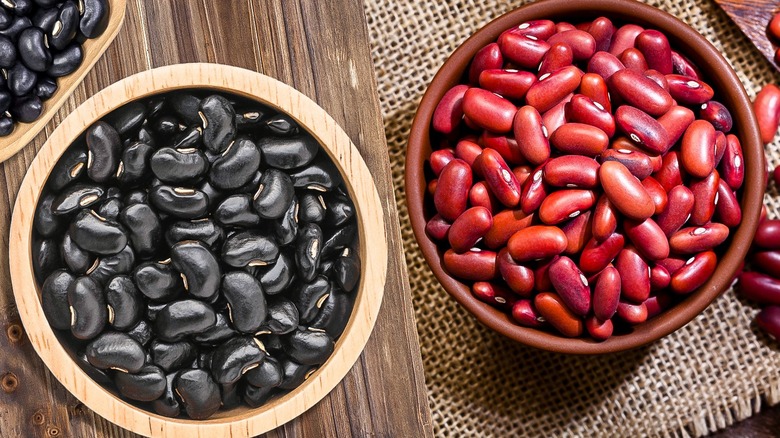 The Biggest Differences Between Black Beans And Kidney Beans
Grab light kidney beans for lighter dishes like Mediterranean bean salads, southern-style baked beans, or creamy dips. Their soft texture and mild taste play nice with vinegar, olive oil, and fresh herbs.
Here’s a fun comparison: dark beans are like a strong coffee—bold and unforgettable. Light beans are like a chai latte—comforting and smooth. Choose based on your mood.
The Coolest Part: They’re Both Versatile Superstars
At the end of the day, the biggest difference isn’t about which one is “better.” It’s about the journey each bean takes you on. One gives you a rich, earthy ride; the other takes you somewhere soft and gentle.
You can even mix them in the same dish for a yin and yang effect. Imagine a black bean soup with swirls of creamy light beans—pretty and tasty. That’s a flex your dinner guests will notice.
So, what’s the verdict? Stop overthinking it. Buy whichever catches your eye, as long as you cook them right. Your taste buds, your experiment. And hey, now you can sound like a bean expert at your next taco night.
Isn’t it wild how two little beans can spark so much curiosity? That’s the beauty of cooking—there’s always a new secret hiding in plain sight.
:max_bytes(150000):strip_icc()/VsTemplate-BlackBeansVsKidneyBeans-a84041fe868a4de299d4b6a6ab688be6.png&description=What+Is+The+Difference+Between+Dark+And+Light+Kidney+Beans)